Crowder - Back To The Garden Lyrics
Lyrics
I was born to be royal
I was made to be free
But I was torn from the garden
When that devil lied to me
I was formed from the soil
I got dirt inside of me
But I was born to be royal
I was made for glory
Take me back to the garden
Take me back and walk with me
For Your presence, I am longing
Take me back
God, take me back
Take me down to the river
Down to Eden’s crystal streams
Where every sin can be forgiven
Holy Ghost come set me free
Back to Your Kingdom, come
Take me back
Back to Your Kingdom, come
I was born to be royal
I was born to be free
Video
Crowder - Back To The Garden
Meaning & Inspiration
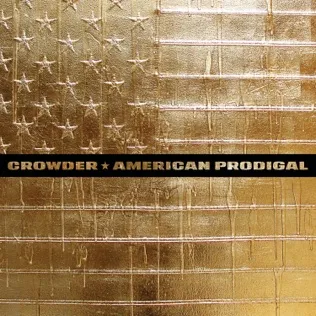
Crowder’s “Back To The Garden,” featured on the 2016 deluxe edition of his album *American Prodigal*, is a profound plea for redemption and a return to a state of unadulterated communion with God. The song’s narrative dives deep into the human condition, beginning with the acknowledgment of an inherent royal and free nature, a birthright bestowed by the Creator. This is powerfully contrasted with the tragic fall from grace, symbolized by being "torn from the garden" due to deception, echoing the Genesis account of Adam and Eve's disobedience (Genesis 3). Crowder’s lyrics express a visceral understanding of our earthly origins, stating, "I was formed from the soil, I got dirt inside of me," a sentiment that resonates with the very essence of humanity’s mortal frailty and connection to the physical world, as declared in Genesis 2:7, "Then the Lord God formed a man from the dust of the ground…" Yet, even amidst this grounded reality, the song asserts a higher calling: "But I was born to be royal, I was made for glory." This speaks to the imago Dei, the image of God within us, a truth proclaimed in Genesis 1:27, "So God created mankind in his own image." The chorus, a fervent cry, "Take me back to the garden," is not merely a wish for a physical place but a yearning for spiritual intimacy. It’s a desire to walk with God as Adam and Eve once did, to experience that unhindered fellowship. This longing is explicitly tied to God's presence, a direct expression of what David articulated in Psalm 16:11, "You make known to me the path of life; in your presence there is fullness of joy; at your right hand are pleasures forevermore."
The song then pivots to a desire for purification, referencing the river and Eden’s streams as places where "every sin can be forgiven." This imagery powerfully evokes the cleansing waters of baptism, symbolizing a fresh start and the washing away of our transgressions, as described in Titus 3:5, "he saved us, not because of works done by us in righteousness, but in virtue of his own mercy, by the washing of regeneration and renewal of the Holy Spirit." The invocation of the "Holy Ghost come set me free" is a direct appeal for the empowering presence and liberating work of the Spirit, aligning with the promises of freedom found in Romans 8:2, "For the law of the Spirit of life in Christ Jesus has set you free from the law of sin and death." The repeated refrain, "Back to Your Kingdom, come," signifies a yearning for the ultimate restoration, the return of Christ and the establishment of His eternal reign. This echoes the hope found in Jesus’ own teachings, such as the Lord’s Prayer, "Your kingdom come, your will be done, on earth as it is in heaven" (Matthew 6:10). "Back To The Garden" is ultimately an anthem for the redeemed, a bold declaration of our identity in Christ and a hopeful aspiration for the full realization of God’s glorious plan, where we are fully restored to His presence, forever dwelling in His perfect, untainted garden.