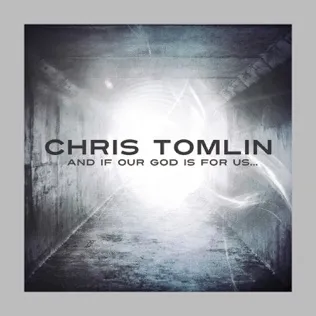
Chris Tomlin - I Will Follow Lyrics
Lyrics
Where you go, I'll go
Where you stay, I'll stay
When you move, I'll move
I will follow...
All your ways are good
All your ways are sure
I will trust in you alone
Higher than my side
High above my life
I will trust in you alone
Where you go, I'll go
Where you stay, I'll stay
When you move, I'll move
I will follow you
Who you love, I'll love
How you serve I'll serve
If this life I lose, I will follow you
I will follow you
Light unto the world
Light unto my life
I will live for you alone
You're the one I seek
Knowing I will find
All I need in you alone, in you alone
In you there's life everlasting
In you there's freedom for my soul
In you there joy, unending joy
and I will follow
Video
Chris Tomlin - I Will Follow
Meaning & Inspiration
Chris Tomlin’s "I Will Follow" dropped in 2010, right when the industry was perfecting the "stadium anthem" aesthetic. This track is a quintessential example of mid-2000s CCM, where the goal was stripping away the complexity of theology to find a repeatable, singable hook that could fill a room of ten thousand people.
The language here is deceptively simple. When Tomlin sings, "If this life I lose, I will follow you," he’s playing with the high-stakes cost of discipleship described in Matthew 16:25: "For whoever wants to save their life will lose it, but whoever loses their life for me will find it." But there’s a strange friction in how that line sits within the arrangement. Because the melody is so brisk and the production is so buoyant—driven by that bright, major-key guitar strum—the gravity of losing one’s life feels oddly weightless.
Does the "vibe" eat the message? A bit. You’re singing about the potential martyrdom of your ego, but the production feels like you’re walking through a sunlit field. It’s an interesting contrast to the blues-inflected roots of Black Gospel, where the cost of "following" is often sung with a grit that mirrors the struggle of the road. Here, Tomlin opts for a clean, suburban polish. It’s a sanitized version of devotion. It feels like a promise made in a sanctuary with air conditioning rather than a promise made in the mud.
Then there’s the line, "Higher than my sight / High above my life." This is classic CCM shorthand. It’s meant to address the limitations of the human perspective, nodding to Isaiah 55:9 ("As the heavens are higher than the earth, so are my ways higher than your ways"). By shrinking the complexity of God’s sovereignty into this tight, rhythmic couplet, the listener gets a quick hit of comfort. It’s designed to be a landing pad for anyone feeling overwhelmed by their current circumstances.
It works, but it leaves me wondering about the reality of the claim. When we sing "Where you go, I'll go" in a chorus that’s designed to be caught by the ear in under ten seconds, are we actually signing up for the "go"? Or are we just enjoying the rhythmic momentum of the song? There’s a restlessness in the text that the production tries to settle, but I’m not sure it succeeds. Maybe that’s the point—the song acts as a repetitive meditation, a chant to convince yourself of a loyalty you aren’t sure you possess yet. It’s not a finished realization; it’s an attempt to manufacture the commitment you hope you’ll have when the music stops and the "life" you’re supposedly losing actually starts demanding something from you.