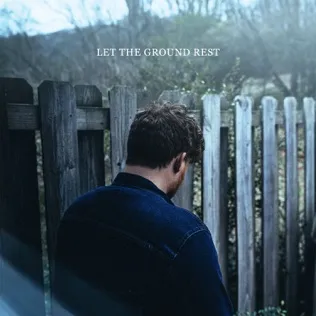
Chris Renzema - Older Than Our God (Forever Young) Lyrics
Lyrics
Verse 1
For the joy of innocence
Dreaming things that don't make sense
Keep me as a child
And for the things we've left behind
The space between our heart and mind
Keep me as a child
Pre-Chorus
For we've grown older than our God
We've grown older than our God
Chorus 1
You are forever young
Bright morning star and unsetting sun
You are forever young
Hear our Father singing out to us
When we've grown older than our God
Verse 2
For the gift of mountainside
Open fields and running wild
Keep me as a child
And for the times we've locked our doors
Built up walls and started wars
Keep me as a child
Pre-Chorus
For we've grown older than our God
We've grown older than our God
Chorus 1
You are forever young
Bright morning star and unsetting sun
You are forever young
Hear our Father singing out to us
When we've grown older than our God
Bridge
Love is running
Toward the shadows
Dying rising
Like an echo
Growing younger
In surrender, I'm letting go
Love is running
Toward the shadows
Dying rising
Like an echo
Growing younger
In surrender, I'm letting go woah-oh
Love is running
Toward the shadows
Dying rising
Like an echo
Growing younger
In surrender, I'm letting go
Chorus 2
Eternity is in His blood
When we've grown older than our God
Oh, eternity's running through my blood
When we've grown older than our God
Video
Chris Renzema - "Older Than Our God" [Forever Young] (Official Audio Video)
Meaning & Inspiration
Chris Renzema’s "Older Than Our God (Forever Young)," released on April 24, 2020, as part of his album "Let the Ground Rest," offers a profoundly moving exploration of faith, the passage of time, and the eternal nature of God. The song immediately captures attention with its arresting title, inviting a contemplation of a paradoxical concept: how can finite humanity ever be "older" than an infinite, timeless Creator? Renzema masterfully unpacks this spiritual riddle, framing it not as a chronological impossibility, but as a poignant commentary on the human tendency to lose childlike wonder and accumulate spiritual weariness, contrasting it with the ever-fresh, unchanging vitality of the Divine. It’s a call to shed the burdens of adulthood—cynicism, self-sufficiency, and jadedness—and return to a posture of simple trust and open-heartedness.
The narrative of the song unfolds as a sincere plea to be "kept as a child," recognizing the profound value in "the joy of innocence" and "dreaming things that don't make sense." This isn't a wish for naiveté, but a longing for the unburdened faith described in Matthew 18:3-4, where Jesus states, "Unless you change and become like little children, you will never enter the kingdom of heaven." The verses highlight a dichotomy: the innocent freedom of "open fields and running wild" versus the self-imposed isolation and conflict born of maturity—"the times we've locked our doors, built up walls and started wars." These are the very experiences that make us "older than our God," accumulating the weight of the world, our disappointments, and our attempts to control life, rather than trusting in a greater narrative. This spiritual aging distances us from the vibrant truth of God, whose nature remains perpetually new and full of life, untainted by human experience or the ravages of time.
The core message crystallizes in the pre-chorus and chorus: "For we've grown older than our God." This poignant declaration sets the stage for the powerful affirmation that follows: "You are forever young, Bright morning star and unsetting sun." Here, Renzema draws on biblical imagery to depict God’s timelessness and constancy. God is not subject to aging or weariness; Isaiah 40:28 reminds us, "The Lord is the everlasting God, the Creator of the ends of the earth. He will not grow tired or weary." Christ himself is called "the bright Morning Star" in Revelation 22:16, a symbol of hope, renewal, and unwavering presence, much like the "unsetting sun" that perpetually gives light and life. The idea of "our Father singing out to us" when we've grown older underscores God’s active, loving pursuit of us, not as a scolding, but as a tender invitation back to His eternal youth and boundless grace, echoing Zephaniah 3:17, where God "rejoices over you with singing."
The bridge serves as the spiritual turning point, a profound journey into the mechanics of renewal. "Love is running / Toward the shadows / Dying rising / Like an echo / Growing younger / In surrender, I'm letting go." This section beautifully encapsulates the gospel message. God's love isn't static; it actively pursues us into our darkest places, much like Christ entered a fallen world (John 3:16). The "dying rising" motif is unmistakably an allusion to Christ's crucifixion and resurrection, the ultimate act of spiritual rejuvenation and triumph over sin and death, which offers a path for us to spiritually "die" to our old selves and "rise" to new life in Him (Romans 6:4). The phrase "growing younger in surrender, I'm letting go" provides the antidote to the "older than our God" condition. It suggests that true renewal and a return to childlike faith—a spiritual youthfulness—comes not through striving, but through radical surrender, releasing our grip on control and trusting entirely in God's eternal wisdom and love, as promised in Matthew 11:28-30, "Come to me, all you who are weary and burdened, and I will give you rest."
The song culminates with a powerful declaration in the final chorus: "Eternity is in His blood / When we've grown older than our God / Oh, eternity's running through my blood." This revelation connects our spiritual rebirth directly to the sacrifice of Christ. His blood, shed for humanity, is the source of eternal life and spiritual regeneration (John 6:54). Through His redemptive work, the eternity and perpetual youthfulness of God can flow into us, reversing the spiritual aging process. It’s a promise that when we feel most burdened, jaded, or "older than our God" in our spirit, His divine, unchanging life is available to infuse us with renewed purpose, boundless hope, and the joy of a child once more. "Older Than Our God (Forever Young)" stands as a potent spiritual anthem, encouraging all who hear it to shed their self-made burdens, embrace the eternal youthfulness of God, and find freedom in a life of surrender and unwavering faith.