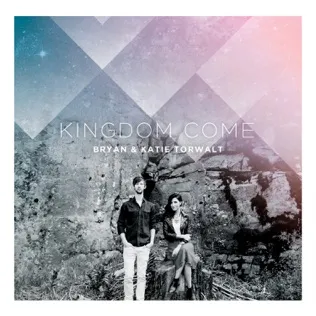
Bryan & Katie Torwalt - When You Walk Into The Room Lyrics
Lyrics
When You walk into the room, everything changes Darkness starts to tremble at the light that You bring And when You walk into the room, every heart starts burning And nothing matters more than just to sit here at Your feet and worship You We worship You, oh
We love You and we'll never stop We can't live without You, Jesus We love You and we can't get enough All this is for You, Jesus
When You walk into the room, sickness starts to vanish Every hopeless situation ceases to exist And when You walk into the room, the dead begin to rise 'Cause there is resurrection life in all You do
We love You and we'll never stop We can't live without You, Jesus We love You and we can't get enough All this is for You, Jesus Oh Jesus
Come and consume, God, all we are We give You permission, our hearts are Yours We want You, we want You Come and consume, God, all we are We give You permission, our hearts are Yours We want You, we want You Come and consume, God, all we are We give You permission, our hearts are Yours We want You, we want You Come and consume, God, all we are We give You permission, our hearts are Yours We want You, we want You
We love You and we'll never stop We can't live without You, Jesus We love You and we can't get enough All this is for You, Jesus
Oh, how we love You
Oh, how we love You
Video
When You Walk Into the Room (Lyric Video) - Bryan & Katie Torwalt - Jesus Culture Music
Meaning & Inspiration
The repetition in Bryan & Katie Torwalt’s "When You Walk Into the Room" is a common trap in modern congregational music, but the hook holds enough gravity to keep the song from drifting into empty filler. When the bridge kicks in, the lyrics loop four times, demanding a surrender that feels almost desperate. I’d argue it’s one loop too many, but that repetition forces a moment of discomfort—a pause where you have to decide if you actually mean what you’re singing or if you’re just filling the silence.
The Power Line of the song is simple: "Darkness starts to tremble at the light that You bring."
This works because it avoids the triumphalism that plagues so much of the genre. It doesn't claim we are the ones doing the conquering. It identifies Jesus as the catalyst for the shift. It leans into James 2:19—the idea that even the shadows acknowledge His presence. When you’re actually standing in a room, struggling with the noise of your own life, it’s a relief to be reminded that the change isn't dependent on your mood or your effort. It’s dependent on His arrival.
There’s a tension in the line, "We give You permission, our hearts are Yours." It’s a strange thing to say to the Creator of the universe. It’s like a drop of water giving permission to the ocean to hold it. And yet, that’s exactly how we experience faith—as a series of small, often fragile, acts of surrender. We talk as if we are the gatekeepers of our own lives, granting God access, even though we know we aren't really in control. Maybe that’s the point. It’s an admission that we have been hoarding parts of ourselves, and we are finally tired of the clutter.
The song lands best when it stops trying to build a crescendo and just leans into the "resurrection life" mentioned in the second verse. It’s an exhausting world, and the idea that hopeless situations can simply "cease to exist" is either the ultimate comfort or a total fairy tale, depending on the week you’ve had. I’m not sure I always believe the sickness vanishes the second I walk into a room, but I want to. That’s the unfinished business of the song. It doesn't solve the human condition; it just invites you to stop pretending you can fix it yourself and offers a seat at the feet of something that might be capable of doing the work instead.
If you can get past the urge to over-analyze the structure, the song offers a brief, quiet clearing in the woods. It doesn't need to be profound to be useful. Sometimes, you just need to clear the room of everything else so you can remember why you started this in the first place.