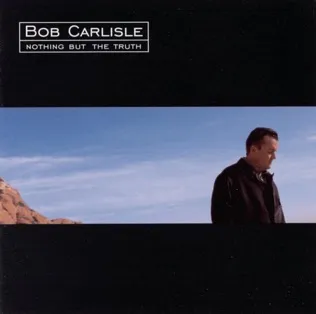
Bob Carlisle - Lay Your Hands on Me Lyrics
Lyrics
Verse 1:
I say my doctor
And he told me
There ain't no way around it.
There ain't no magic pill.
He said, "I looked for years
And tried but I ain't never found it,
No way to fix your ills."
So I've come before
The great physician
Where I know the medicine is
Strong and free.
Only you an cure this
Crossed up condition,
Yeah, you know the very thing I need.
Chorus:
Lay your hands on me,
I need that something.
Lay your hands on me,
I want your touch.
Lay your hands on me,
You've got the power.
Lord, you know I've got the need
So lay your hands on me.
Verse 2:
We try to hide it.
The New York Times said
"God is dead".
They never say
You never left the tomb.
But I can't deny it
When you came down
With your love instead.
Can you dig the upper room.
Nothing in the world can steal it
'cause your power is real, I know.
Now all I want to do is feel it,
So from the top of my head
To the tips of my toes.
Chorus:
I don't need no psychoanalyst to get to you.
Lay your hands on me.
Video
Lay Your Hands On Me
Meaning & Inspiration
Bob Carlisle's "Lay Your Hands on Me," released on August 11, 2000, as part of his album *Nothing But the Truth*, opens with a raw, desperate human cry for divine intervention. The song immediately plunges into a scenario where earthly remedies have failed, painting a vivid picture of a doctor's bleak pronouncement: "There ain't no way around it. There ain't no magic pill." This initial stark reality sets the stage, revealing the limitations of human wisdom and medicine in the face of deep-seated need. It echoes the sentiment found in Proverbs 3:5-6, reminding us to trust in the Lord with all our heart and lean not on our own understanding, for human solutions often fall short of true healing.
From this point of earthly despair, the narrative pivots directly to the "great physician." This shift is not merely a lyrical device but a profound theological statement, directly identifying Jesus Christ as the ultimate healer and source of life. The lines "I've come before the great physician / Where I know the medicine is strong and free" powerfully articulate the Christian conviction that spiritual and physical wholeness comes through Christ alone. He is the physician who declared in Mark 2:17, "It is not the healthy who need a doctor, but the sick. I have not come to call the righteous, but sinners." Here, Carlisle captures the essence of surrendering to a power far beyond human comprehension, recognizing that only God can cure a "crossed up condition"—a state of being that is physically, emotionally, or spiritually broken.
The chorus, a fervent plea, becomes the anchor of the song's message: "Lay your hands on me, I need that something. Lay your hands on me, I want your touch." This isn't just a request for a physical gesture; it's a yearning for the tangible, transformative power of God. Throughout the Gospels, Jesus' touch consistently brought healing, restoration, and deliverance. Consider the woman with the issue of blood in Mark 5:27-29, who believed simply touching His cloak would make her well, or the countless instances where Jesus laid His hands on the sick, and they were healed (Luke 4:40). The song's petition, "Lord, you know I've got the need, so lay your hands on me," is a confession of both inadequacy and absolute faith in God's omnipotent ability, a trust that His power, as described in Ephesians 3:20, is "immeasurably more than all we ask or imagine."
Verse two broadens the scope, confronting a skeptical world that tries to deny God's existence. The reference to "The New York Times said 'God is dead'" directly challenges secular narratives while affirming the eternal truth: "They never say you never left the tomb." This line is a bold declaration of the resurrection, the cornerstone of Christian faith, which unequivocally refutes the idea of a deceased deity. The subsequent lines, "But I can't deny it when you came down with your love instead. Can you dig the upper room," highlight a personal, undeniable experience of God's transformative love. The "upper room" can be seen as a symbol of intimate encounter with the divine, recalling the Last Supper and the outpouring of the Holy Spirit at Pentecost (Acts 2:1-4), moments of profound spiritual truth and empowerment. This personal revelation of God’s living presence stands in stark contrast to the world's intellectualized skepticism, emphasizing that true faith is born from encounter, not argument.
The song concludes by rejecting worldly substitutes for spiritual healing, declaring, "I don't need no psychoanalyst to get to you." This assertion underscores the direct, unmediated access believers have to God through prayer and faith, negating the need for human intermediaries in spiritual matters. It's a powerful reminder that while professional help has its place, the ultimate solace and solution for the human condition reside in a personal relationship with the divine healer. God's power, the song insists, is "real," and "nothing in the world can steal it," echoing Romans 8:38-39 which assures us that nothing can separate us from God's love. "Lay Your Hands on Me" is therefore more than just a song; it's a prayer set to music, a testament to enduring faith, and an invitation for every soul to seek the restorative touch of the Great Physician, whose medicine is indeed "strong and free," extending from the "top of my head to the tips of my toes."