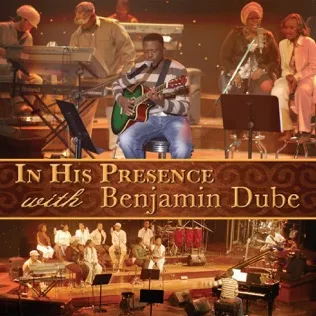
Benjamin Dube - Into Thy Presence Lyrics

Album: In His Presence
Released: 27 Oct 2013
iTunes Amazon Music

Lyrics

Into thy presence we come 
Not by the works we have done 
But by the grace and grace alone 
Into thy presence we come 

Into thy presence we come 
Not by the works we have done 
But by the grace and grace alone 
Into thy presence we come 

Into thy presence we come 
Not by the works we have done 
But by the grace and grace alone 
Into thy presence we come 

Hallelujah find the Glory 
Halleluyah dumo rwako 
Hallelujah amen ...

Video

Into Thy Presence

Thumbnail for Into Thy Presence video

Meaning & Inspiration

Benjamin Dube’s profound worship anthem, "Into Thy Presence," released on October 27, 2013, as part of his album *In His Presence*, stands as a powerful declaration of Christian truth. This song, while seemingly simple in its lyrical structure, encapsulates a cornerstone of evangelical theology, offering a deeply moving and theologically rich message that resonates with the heart of biblical faith.

The song’s core message is immediately established and powerfully reiterated: "Into thy presence we come / Not by the works we have done / But by the grace and grace alone." This declarative statement is not merely a poetic expression but a direct affirmation of the New Testament's teaching on salvation and access to God. It dismantles any notion of human merit or achievement as a pathway to divine communion. The act of coming "into Thy presence" signifies drawing near to God Himself, a privilege once reserved for a select few under the Old Covenant but now made available to all believers through Christ. Hebrews 4:16 encourages us to "draw near with confidence to the throne of grace, that we may receive mercy and find grace to help in time of need," perfectly echoing the spirit of Dube’s lyrics. This accessibility is not earned; it is a divine invitation extended purely through unmerited favor.

The insistence on "grace and grace alone" is a vital theological point, directly opposing any theology that suggests human effort or good deeds can earn God's favor. Ephesians 2:8-9 states this unequivocally: "For by grace you have been saved through faith. And this is not your own doing; it is the gift of God, not a result of works, so that no one may boast." Similarly, Titus 3:5 reminds us, "he saved us, not because of works done by us in righteousness, but according to his own mercy." Dube's song serves as a beautiful musical exposition of these foundational Scriptures, stripping away any burden of performance and liberating the worshipper to approach God with genuine humility and gratitude. The repeated affirmation of "not by the works we have done" serves as a continuous reminder that our acceptance before God is not contingent on our own flawed efforts, but on the finished work of Christ and the boundless grace of the Father. This repetition isn't just for memorability; it's a deliberate, almost meditative practice that allows the profound truth to sink deep into the spirit, reinforcing an assurance that is entirely God-given.

As the song progresses, it culminates in a powerful declaration of worship: "Hallelujah find the Glory / Halleluyah dumo rwako / Hallelujah amen." The shift from the theological explanation of *how* we come to the direct praise of "Hallelujah" is a natural and profound transition. Having established the foundation of grace, the appropriate response is adoration. "Hallelujah," meaning "Praise the Lord," is a universal expression of worship, frequently found in the Psalms and throughout the book of Revelation, signifying joyous praise to God for His attributes and actions. The inclusion of "dumo rwako," a Shona phrase meaning "your glory" or "your praise," further enriches this segment, making it a truly global cry of worship that connects diverse cultures in a shared spiritual language. This part of the song transforms it from a doctrinal statement into an act of direct worship, inviting all who engage with it to join in acknowledging God's majesty and the glory He deserves because of His grace. It's an inspiring call to remember that our access to God's presence, provided through grace, leads inevitably and joyfully to His praise and glory. Benjamin Dube’s "Into Thy Presence" is thus more than just a song; it's a theological anchor and an invitation to worship, reminding every believer of the liberating and empowering truth that we stand before God not by our merits, but by His glorious and all-sufficient grace.

Loading...
In Queue
View Lyrics