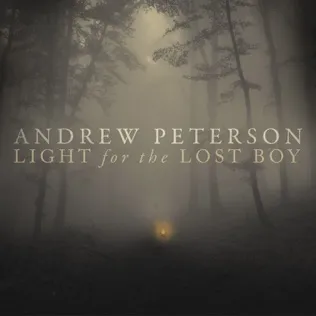
Andrew Peterson - The Cornerstone Lyrics

Album: Light for the Lost Boy
Released: 24 Aug 2012
iTunes Amazon Music

Lyrics

I saw the desert wind
Tear across the wilderness
I felt it blowing off the page
The teacher told me, "Son,
Always remember this"
And I have always been afraid

I read about the God of Moses
Roaring in the holy cloud
It shook my bedroom window panes
I did not understand then
I do not understand now
I don't expect you to explain

You've been a mystery since the moment that I met you
You never move but I can never seem to catch you
The Cornerstone

You said to eat your flesh
Before you broke the bread and blessed it
Before you poured the wine for every man
This is a hard, hard teaching
Can any man accept it?
Can any sage here understand?

You turned the tables over
There in your father's temple
You cracked a whip and raised a shout
My daughter asked me why
I said, "Love is never simple
It draws 'em in and drives 'em out."

I saw you there but it was too late to change my course
And I collided with a beautiful immovable force
And so the stone that I rejected
It has become the Cornerstone

All the maps were drawn
But the maps were wrong
The stars spin around
Another sun
All the maps were drawn
But the maps were wrong
The rivers are running from
The Cornerstone

And you looked me in the eye and fixed me with a permanent stare
I met your gaze and saw the forges of the firmament there
The Cornerstone

And the floods come up
And the rains come down

Video

The Cornerstone - Official Lyric Video - Andrew Peterson

Thumbnail for The Cornerstone video

Meaning & Inspiration

Andrew Peterson's "The Cornerstone," released as part of his 2012 album *Light for the Lost Boy*, is a profound exploration of encountering the divine, particularly as embodied by Jesus Christ. The song doesn't simply present a narrative; it grapples with the often disorienting and challenging nature of faith, moving beyond simple adherence to a deeper, more transformative understanding. Peterson’s lyrical journey begins with a sense of awe and trepidation, recalling the sheer power of God as revealed in Scripture, from the desert winds of Moses' experience to the thunderous pronouncements of divine presence that shake one's very foundations. This initial encounter is marked by a profound sense of mystery and a humility in the face of incomprehensible truth, echoing the psalmist's declaration, "Your statutes have been my songs in the house of my pilgrimage" (Psalm 119:54), where the divine is both guiding and elusive.

The core of the song's message lies in its unflinching look at the paradoxical nature of Christ. Peterson’s lyrics confront the "hard teaching" of Jesus, specifically referencing the discourse on eating His flesh and drinking His blood (John 6:53-56), a concept that even His closest disciples found difficult to accept. This is not meant to be taken literally in a cannibalistic sense, but rather as a profound metaphor for complete union and dependence on Christ for spiritual life. The imagery of turning over tables in the temple, a visceral act of righteous anger against corruption, further illustrates the disruptive, yet ultimately purifying, force of God's love. Peterson acknowledges that this love is not always gentle; it "draws 'em in and drives 'em out," separating the sincere from the superficial, as Jesus Himself said, "I have not come to bring peace, but a sword" (Matthew 10:34), meaning division in understanding and commitment. The songwriter’s personal confession of colliding with this "beautiful immovable force" speaks to the undeniable, irresistible nature of encountering Christ, even when one’s own path seems set. This echoes Peter’s confession, "Lord, to whom shall we go? You have the words of eternal life" (John 6:68).

The pivotal imagery of the "stone that I rejected" becoming the "Cornerstone" is a direct allusion to Christ Himself, referenced in Psalm 118:22, "The stone that the builders rejected has become the chief cornerstone," and quoted multiple times by Jesus and His apostles (Matthew 21:42, Mark 12:10, Luke 20:17, Acts 4:11, 1 Peter 2:7). This metaphor powerfully communicates the rejection Christ faced from many, yet His ultimate establishment as the foundational element of faith. The song expands this idea, suggesting that all previous understandings, symbolized by "maps" and "stars," prove inadequate and ultimately wrong when confronted with the true reality of Christ. The "rivers are running from the Cornerstone" implies that all genuine spiritual life and direction flow from Him, not from human constructs or worldly wisdom. The final image of meeting Christ’s gaze, seeing "the forges of the firmament there," suggests a divine intensity and power that is both awe-inspiring and transformative, the very source of creation and redemption. The song culminates with the timeless truth that through all trials, "the floods come up, and the rains come down," the Cornerstone remains steadfast, a promise of unwavering hope and security in Him (Matthew 7:24-27).

Loading...
In Queue
View Lyrics