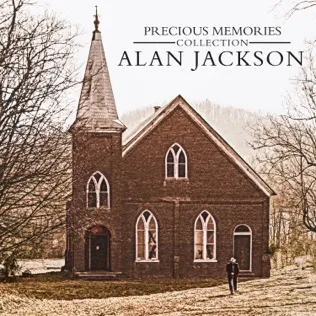
Alan Jackson - Amazing Grace Lyrics
Lyrics
Amazing grace! How sweet the sound
that saved a wretch like me!
I once was lost, but now am found;
was blind, but now I see.
'Twas grace that taught my heart to fear,
and grace my fears relieved;
how precious did that grace appear
the hour I first believed.
Through many dangers, toils, and snares,
I have already come;
'tis grace hath brought me safe thus far,
and grace will lead me home.
When we've been there ten thousand years,
bright shining as the sun,
we've no less days to sing God's praise
than when we first begun.
Amazing grace! How sweet the sound
that saved a wretch like me!
I once was lost, but now am found;
was blind, but now I see.
Video
Alan Jackson - Amazing Grace (Official Music Video)
Meaning & Inspiration
Alan Jackson's rendition of "Amazing Grace," featured on his *Precious Memories Collection* and released on October 28, 2016, offers a profound reflection on one of Christianity's most enduring hymns. While the melody itself is timeless, Jackson's take on this spiritual anthem draws deep into its message, inviting contemplation on divine mercy and personal redemption. The song's genesis traces back to John Newton, an 18th-century slave trader whose life was dramatically transformed by faith. His personal journey from a state of moral depravity and spiritual blindness to one of profound understanding and service is the very heartbeat of "Amazing Grace," giving the lyrics an authentic resonance that continues to echo through generations.
The opening lines, "Amazing grace! How sweet the sound that saved a wretch like me! I once was lost, but now am found; was blind, but now I see," encapsulate the core Christian narrative of conversion and salvation. The term "wretch" here is not an expression of self-pity but a stark acknowledgment of humanity's fallen state, separated from God by sin, a concept deeply rooted in Scripture (Romans 3:23). Newton's personal experience, and by extension, the experience of countless believers, mirrors the prodigal son's return in Luke 15 or the spiritual awakening described in John 9, where physical blindness parallels spiritual darkness. Grace, in this context, is God’s unmerited favor, extended to those who can do nothing to earn it, as affirmed in Ephesians 2:8-9: "For by grace you have been saved through faith, and this is not from yourselves, it is the gift of God." This incredible intervention shifts a life from aimless wandering to purposeful direction, from spiritual ignorance to profound insight.
The hymn then continues, revealing the transformative power of this grace: "'Twas grace that taught my heart to fear, and grace my fears relieved; how precious did that grace appear the hour I first believed." Here, "fear" should be understood not as terror, but as a reverent awe and recognition of God's sovereignty and holiness, which often precedes true repentance (Psalm 111:10). It's the conviction that leads to a humble turning away from sin. Simultaneously, this same grace then relieves the paralyzing fear of judgment and condemnation, replacing it with the peace that comes from forgiveness and acceptance, as Romans 8:1 declares, "There is therefore now no condemnation for those who are in Christ Jesus." The profound value of this grace becomes evident the moment one truly places their trust in God, a moment marked by a tangible shift from spiritual anxiety to genuine relief and assurance.
As the journey of faith unfolds, the lyrics acknowledge life's inherent struggles: "Through many dangers, toils, and snares, I have already come; 'tis grace hath brought me safe thus far, and grace will lead me home." This stanza beautifully articulates the sustained presence of divine guidance through the vicissitudes of existence. Life is replete with challenges and temptations, yet the consistent message is that God's grace acts as a protective and guiding force. This resonates with the psalmist's declaration in Psalm 23, affirming God's presence even through the valley of the shadow of death, or the New Testament assurance in Philippians 1:6 that "He who began a good work in you will carry it on to completion until the day of Christ Jesus." The destination, "home," signifies not just an earthly dwelling but the eternal rest and fellowship with God promised to believers (John 14:1-3), a testament to grace's enduring faithfulness.
The final stanza casts our gaze toward eternity, declaring, "When we've been there ten thousand years, bright shining as the sun, we've no less days to sing God's praise than when we first begun." This profound imagery elevates our understanding of God's grace beyond the temporal. It speaks of an unending continuum of worship and joy in God's presence, where time itself loses its constraining power. "Bright shining as the sun" evokes the glorified state of believers in heaven (Revelation 21:23) and the radiant glory of God that illuminates all. This passage underscores the eternal nature of God's love and the perpetual opportunity for praise, a concept that dwarfs any earthly measure of time. Alan Jackson's clear, measured delivery allows the profound weight of these words to settle, reinforcing the hymn's unwavering message of redemption, preservation, and eternal hope. His interpretation serves as a powerful reminder that the amazing grace that saves a "wretch" also sustains them through life's trials and ultimately leads them into an unending future of worship and glory.