William Murphy - Make Me Righteous Lyrics
Lyrics
Holy, Holy Lord
Sovereign in all your ways
Holy, Holy Lord
You are the ancient of days
You are awesome in power
Amazing is your grace
I desire to see your face
Make me righteous
Before you
Make me holy
For you are holy
Purify me
In your presence
Holy Lord
Holy Lord [Repeat]
Lead: How I love you Lord
I want to please you with my life
So I will love you Lord
And offer you my sacrifice
You are worth of glory
Worthy of all praise
I desire to know your ways
Make me righteous
Before you
Make me holy
For you are holy
Purify me
In your presence
Holy Lord [x8] [Adlibs]
Holy, Holy Lord [Adlibs, {modulates}]
Holy Lord - to fade out
Video
Make Me Righteous
Meaning & Inspiration
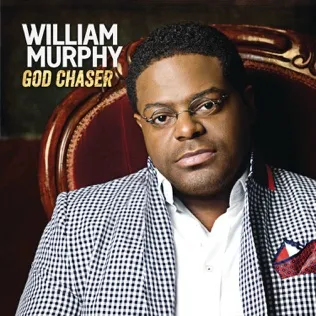
William Murphy's "Make Me Righteous," released as part of his 2013 album *God Chaser*, stands as a profound declaration of devotion and a heartfelt plea for spiritual transformation. This song isn't merely a collection of words set to music; it’s an invitation into a deeper relationship with the divine, rooted in a desire for holiness that mirrors God's own perfection. The lyrics paint a vivid picture of God’s sovereignty, acknowledging His power and amazing grace. This recognition immediately sets the stage for the central theme: a yearning to align oneself with God's character. The repeated invocation of "Holy, Holy Lord" echoes the seraphim's cry in Isaiah 6:3, signifying a worship that acknowledges God's ultimate holiness and sets Him apart from all creation.
The core of "Make Me Righteous" lies in its earnest request for purification and alignment with God’s will. The repetition of "Make me righteous before You" and "Make me holy, for You are holy" is not a casual suggestion but a profound petition. This reflects the biblical mandate found in 1 Peter 1:15-16: "But just as He who called you is holy, so be holy in all you do; for it is written: ‘Be holy, because I am holy.’” The plea to be "purified in Your presence" speaks to the transformative power of God's nearness, a theme explored throughout Scripture, such as in Psalm 51:7 where David prays, "Cleanse me with hyssop, and I will be clean; wash me, and I will be whiter than snow." The song's progression, from recognizing God's attributes to desiring a mirroring of those attributes, embodies a mature faith that seeks not just to *know* God but to *become* more like Him.
The second verse deepens this personal commitment by expressing a desire to "please You with my life" and to "offer You my sacrifice." This echoes the Apostle Paul's exhortation in Romans 12:1: "Therefore, I urge you, brothers and sisters, in view of God’s great mercy, to offer your bodies as living sacrifices, holy and pleasing to God—this is your true and proper worship." The recognition of God's worthiness of "glory" and "all praise" is a natural outpouring of this sacrificial heart, aligning with Revelation 4:11 which states, "You are worthy, our Lord and God, to receive glory and honor and power, for you created all things, and by your will they were created and have their being." The entire song is a masterful expression of a believer's aspiration to live a life that reflects the holiness and righteousness of God, a journey initiated by His grace and sustained by His purifying presence.