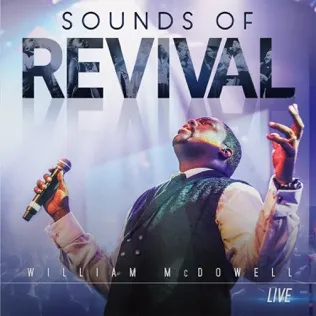
William McDowell - Hymn of Praise Lyrics
Lyrics
We give you praise Lord, we give you praise
For all you've done Lord, we give you praise
Hallelujah Lord, we give you praise
I can feel your Spirit in this place
I can feel your Presence in this place
I can feel your Spirit in this place
I can feel your Presence in this place
I can feel your Spirit in this place
I can feel your Presence in this place
I can feel your Spirit in this place
I can feel your Presence in this place
I can feel your Spirit in this place
I can feel your Presence in this place
I can feel your Spirit in this place
I can feel your Presence in this place
Video
William McDowell - Hymn of Praise feat. Julia McMillian & Daniel Johnson (OFFICIAL VIDEO)
Meaning & Inspiration
William McDowell's "Hymn of Praise," released on January 22, 2016, as a pivotal track from his album "Sounds of Revival," is a profound spiritual declaration disguised in lyrical simplicity. This song is not merely a collection of words; it’s an intentional journey into the very heart of worship, perfectly encapsulating the album's mission to ignite and sustain an authentic spiritual reawakening. McDowell, known for his ability to cultivate an atmosphere where the divine feels palpably close, crafts "Hymn of Praise" as a foundational anthem for collective and personal encounter with the Creator.
The core message of the song begins as a direct and unreserved offering of adoration: "We give you praise Lord, we give you praise." This initial declaration immediately establishes a posture of devotion, acknowledging that praise is both a heartfelt response and a commanded act of our will. The purpose behind this worship is quickly clarified: "For all you've done Lord, we give you praise." This powerful line shifts focus from our immediate circumstances to God's enduring character and His magnificent deeds throughout history and in individual lives. It mirrors the exhortation found in Psalm 103:2, "Bless the Lord, O my soul, and forget not all his benefits," and aligns with the psalmist's vow in Psalm 9:1, "I will give thanks to the Lord with my whole heart; I will recount all of your wonderful deeds." This foundational gratitude culminates in the universal exclamation of "Hallelujah Lord," a timeless Hebrew phrase meaning "Praise the Lord," reinforcing the communal and ever-relevant nature of our thanksgiving.
From this declaration of praise, the hymn gracefully transitions into an intensely experiential dimension, moving beyond spoken adoration to the very manifestation of God's presence. The repeated refrain, "I can feel your Spirit in this place / I can feel your Presence in this place," forms the spiritual bedrock of the song. This is no speculative hope; it is a confident affirmation of a tangible spiritual reality. The rhythmic repetition serves as a meditative conduit, drawing believers into a heightened awareness of the Holy Spirit's active dwelling among them. This sense of felt presence is deeply rooted in scriptural promises, such as Jesus' assurance in Matthew 18:20: "For where two or three are gathered in my name, there am I among them." Furthermore, the promise of the indwelling Holy Spirit, as articulated in John 14:16-17, ensures that God is not remote but intimately present within and alongside His people, a presence that brings freedom and life, as underscored by 2 Corinthians 3:17: "Now the Lord is the Spirit, and where the Spirit of the Lord is, there is freedom." This profound experience of "feeling" God's Spirit and presence is essential for revival, marking a sacred moment where the divine actively intersects with human experience.
Ultimately, "Hymn of Praise" transcends the conventional role of a worship song; it functions as a spiritual gateway, leading individuals and gatherings into a posture of expectant and open worship. Its inherent simplicity is a profound strength, allowing the deep truths of God's worthiness of praise and His active presence to permeate the soul without distraction. The song provides a clear pathway for believers to collectively declare their adoration and then immediately step into the conscious awareness of God responding to that worship. It powerfully reminds us that praise is not only an upward offering but also an open invitation for His Spirit to descend and fill any "place" – whether it's a bustling sanctuary, a quiet prayer room, or the innermost chambers of one's own heart. This dynamic interaction creates an environment perfectly attuned to the "Sounds of Revival" that the album champions, fostering a deeper walk of faith and a more vibrant, personal connection with the Almighty. In a world often preoccupied with complexity, McDowell’s "Hymn of Praise" offers a refreshing return to the foundational pillars of faith: sincere praise and the transformative awareness of God's abiding presence, compelling us to fully engage with the divine reality in our midst.