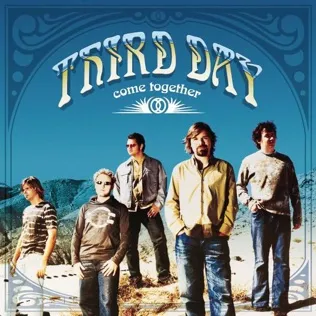
Third Day - When The Rain Comes Lyrics
Lyrics
When the rain comes it seems that everyone has
gone away
When the night falls you wonder if you shouldn't
find someplace
To run and hide
Escape the pain
But hiding's such lonely thing to do
(Chorus)
I can't stop the rain
From falling down on you again
I can't stop the rain
But I will hold you 'til it goes away
When the rain comes you blame it on the things
that you have done
When the storm fades you know that rain must fall
on everyone
So rest awhile
It'll be alright
No one loves you like I do
(Chorus) (x2)
When the rain comes
I will hold you
Video
When The Rain Comes
Meaning & Inspiration
Third Day's "When The Rain Comes," released on November 6, 2001, as part of their album *Come Together*, offers a profound meditation on human vulnerability and divine solace during life's most challenging seasons. This song doesn't just present a scenario; it invites a deep reflection on how we navigate periods of intense difficulty, personifying the "rain" as the inevitable storms of life – loss, pain, disappointment, or spiritual struggle. It speaks directly to the soul's natural inclination to retreat and hide when overwhelmed, observing that when the rain truly comes, it often feels as if everyone has abandoned us, leaving us exposed and alone, yearning for an escape from the pain. The lyrics capture this raw human experience perfectly, acknowledging that while the instinct to run and hide is strong, such isolation only compounds the ache, making a lonely situation even more desolate. This feeling of abandonment during hardship echoes the sentiment in Psalm 27:10, "Though my father and mother forsake me, the Lord will receive me."
The true comfort of the song then emerges in its powerful chorus, where a steadfast, unwavering voice steps forward, declaring, "I can't stop the rain from falling down on you again, but I will hold you 'til it goes away." This declaration is not one of a rescuer who eradicates all pain, but rather one of an unwavering companion who promises presence *through* the pain. It’s an acknowledgment of life’s inherent difficulties – a truth that even faith doesn’t exempt us from sorrow or suffering – but coupled with the assurance of enduring support. This resonates deeply with the promises found in Scripture, much like Isaiah 43:2, which assures us, "When you pass through the waters, I will be with you; and through the rivers, they shall not overwhelm you; when you walk through fire, you shall not be burned, and the flame shall not consume you." The promise isn't the absence of fire or water, but the guaranteed presence of God within them, holding us securely. Similarly, 2 Corinthians 1:3-4 reminds us that God is "the Father of mercies and God of all comfort, who comforts us in all our affliction," not necessarily removing the affliction but providing the strength and peace to endure it.
As the song progresses into its second verse, it delves into the often-unspoken burden of self-blame that accompanies personal struggles. The lyrics observe that when the rain comes, we often attribute it to our own shortcomings or past mistakes, carrying a heavy weight of guilt. This sentiment is incredibly relatable, mirroring our innate human tendency to seek fault when things go wrong. Yet, the song gently pivots, reminding us that "when the storm fades, you know that rain must fall on everyone." This phrase is a poignant recognition of the universal nature of suffering; trials are not always punishments but an inescapable part of the human condition, affecting every person regardless of their actions. This truth is echoed in John 16:33, where Jesus tells his followers, "In the world you will have tribulation. But take heart; I have overcome the world." The song then offers a tender invitation to "rest awhile, it’ll be alright," culminating in the profound statement, "No one loves you like I do." This final assertion is the cornerstone of the song's message, identifying the comforting voice as one of unparalleled, unconditional love. It moves beyond mere companionship to a divine, redemptive love that sees past our flaws and self-condemnation. This echoes biblical truths such as Romans 8:1, which declares, "There is therefore now no condemnation for those who are in Christ Jesus," and Romans 5:8, which profoundly states, "But God shows his love for us in that while we were still sinners, Christ died for us." The message is clear: even when we feel most broken and deserving of blame, God's love remains steadfast, inviting us to find peace and rest in His unwavering presence.
Ultimately, "When The Rain Comes" by Third Day is a powerful anthem of hope and resilience, grounded in the unshakeable truth of divine love. It skillfully articulates the pain of isolation and the burden of self-blame during life's storms, only to counter them with the promise of an enduring, comforting presence. It doesn't sugarcoat the reality of suffering, but instead offers a robust assurance that even when the rain cannot be stopped, we are never truly alone. The song beautifully reinforces the Scriptural message that God is our refuge and strength, an ever-present help in trouble (Psalm 46:1), reminding us to anchor our hope in His unchanging love when the skies darken and the storms rage.