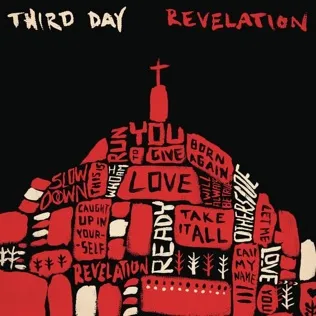
Third Day - Caught Up In Yourself Lyrics
Lyrics
Take a good look around you
And I'm sure that you are bound to
Think that all you have comes down to
You and what you've done
If you look far beyond this
There's a life I hope you don't miss
What has kept you from moving on
Is learning to let go
And there's so much more
Than what you're looking for
Caught up in yourself
Call it like it is
Well, you're so good
But you'll never be good enough
You think if you surrender
It's the end, but just remember
Life is more than dying embers
Burning in your soul
And I know it's true
‘Cause I am just like you
Thank God for mercy
Thank God for His grace
Thank God for everything you've got
Before it's too late
And there's so much more
Than what you're looking for
Video
Caught Up In Yourself
Meaning & Inspiration
"Caught Up In Yourself," a standout track from Third Day's 2008 album *Revelation*, delves into a profound human struggle with self-absorption and offers a powerful path toward liberation. The song emerges as a raw and honest reflection on the tendency to become so consumed by our own perspectives, achievements, and perceived inadequacies that we miss the broader panorama of life and God's grace. It speaks directly to the internal battle where self-importance or self-doubt can become an isolating prison, hindering true connection and growth. The lyrical narrative isn't accusatory but rather empathetic, acknowledging this shared human failing; the acknowledgment, "And I know it's true, 'cause I am just like you," disarms any sense of superiority and invites the listener into a space of mutual understanding and vulnerability.
The core message of "Caught Up In Yourself" is a clarion call to look beyond the confines of our own existence and recognize that true fulfillment lies not in our self-sufficiency, but in surrender and dependence. The lyrics highlight how focusing solely on what we have done or what we lack keeps us tethered to a limiting present, preventing us from embracing the abundant life offered. This resonates deeply with the scriptural principle of losing our life to find it, a paradox often taught by Jesus. For instance, Matthew 16:25 states, "For whoever wants to save their life will lose it, but whoever loses their life for me will find it." The song implicitly suggests that our "dying embers" are those efforts and anxieties we cling to, which burn out without ever igniting true purpose. The encouragement to "let go" is a direct echo of biblical teachings on trusting in God's provision and sovereignty.
The verses strongly evoke the wisdom found in Proverbs, particularly concerning humility and the dangers of pride. Proverbs 16:18 warns, "Pride goes before destruction, and haughtiness before a fall." The song addresses the illusion of being "good enough" on our own, a vanity that the Bible consistently cautions against. Instead, it points towards a divine source of sufficiency. The repeated phrase, "And there's so much more than what you're looking for," serves as a promise of spiritual depth and relational richness that is inaccessible when one is solely focused inward. This aligns with Ephesians 3:20, which assures us that God can "do immeasurably more than all we ask or imagine, according to his power that is at work within us." The ultimate resolution offered is a profound gratitude for divine intervention: "Thank God for mercy, thank God for His grace, thank God for everything you've got, before it's too late." This sentiment beautifully captures the essence of redemption, emphasizing that our salvation and all blessings are unearned gifts from God, urging us to embrace them with thankfulness before the opportunity passes. The song, therefore, is not merely an observation of human frailty but a compelling invitation to embrace a life empowered by God's grace, finding true freedom in letting go of self and grasping onto His boundless love and provision.