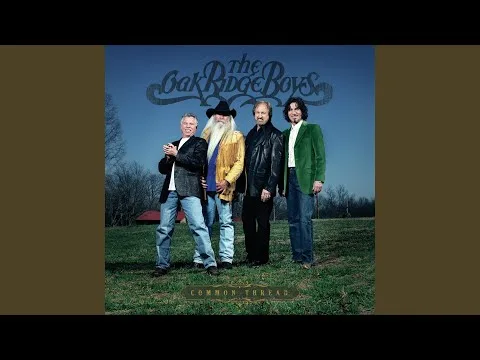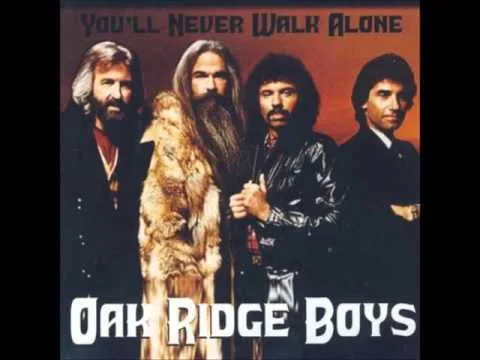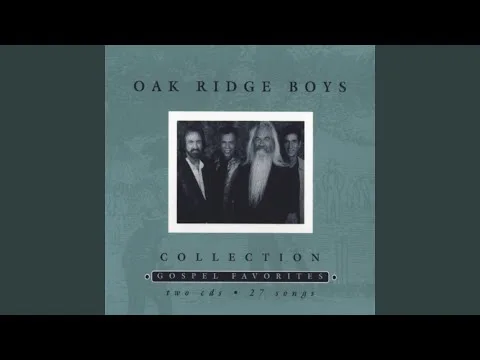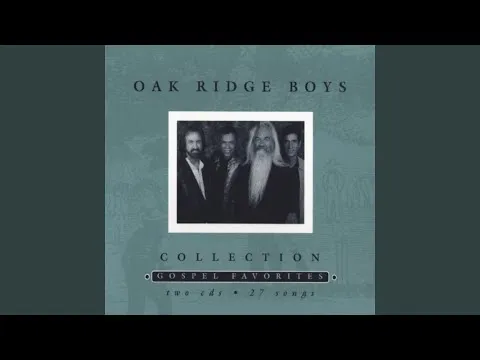
The Oak Ridge Boys - An American Family Lyrics
Lyrics
Worked all his life in the rail yards
Summer heat winter cold
He sits by the fire, now he's retired
Though he don't really feel all that old.
She comes in from the kitchen
And sits on the arm of his chair
He looks up and says “hey lady I love you”
Runs his fingers through her hair.
And there's a picture on the wall of Jesus in the garden
It's been there since they got the house in '53,
It ain't no big deal, won't ever go down in history
It's just a little story of an American family.
She waited for him in World War 11
He fought the European campaign,
Their son John spent two years in “Nam
That war wasn't the same.
Billy's out in L.A., he's a lawyer now
They worry he's so far away,
Jeannie got married and lives here in town
They're comin' over with the kids today.
And there's a picture on the wall of Jesus in the garden
It's been there since they got the house in '53,
It ain't no big deal, won't ever go down in history
It's just a little story of an American family.
But the whole world is different now
Bloods been spilt on our shores
In hard times we pull together
That's what a families for
Ain't no big deal, it's written in our history
We're all part of the story of an American family,
We're all part of the story of an American family.
Video
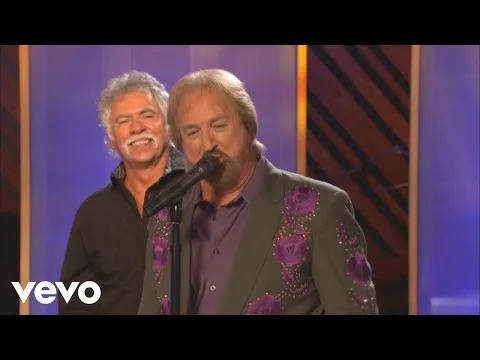
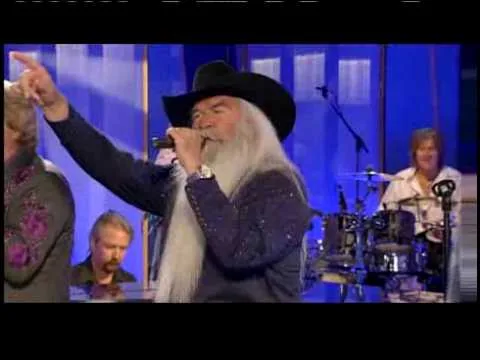
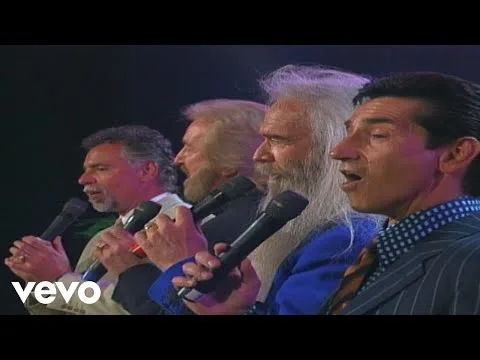
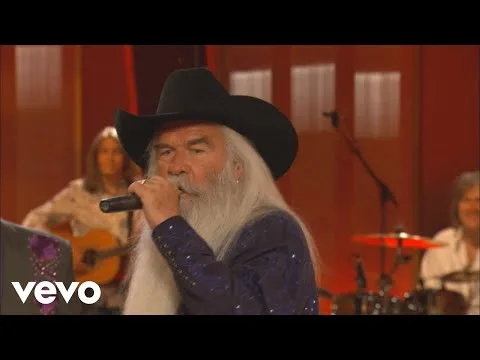
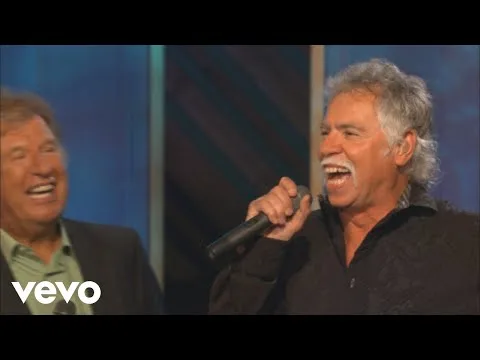
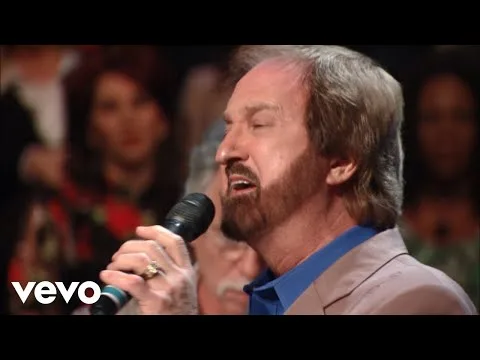
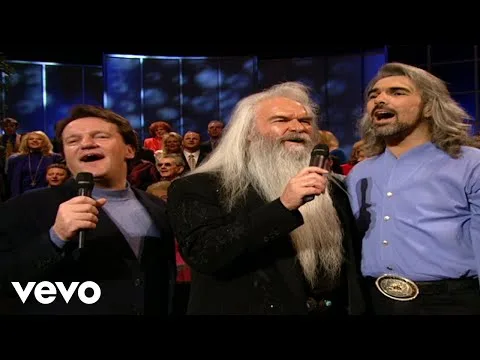
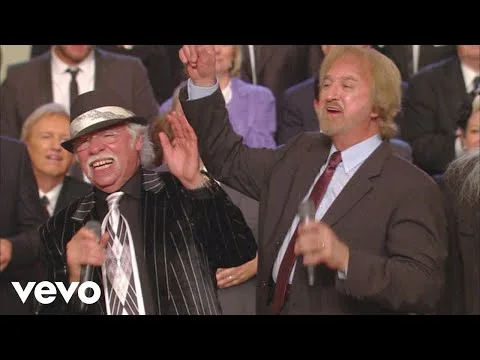
An American Family [Live]
Meaning & Inspiration
"An American Family," released on January 1, 2009, as part of The Oak Ridge Boys' album *A Gospel Journey*, transcends its simple title to offer a profound reflection on the enduring strength and quiet faith that underpins the American experience. The song begins by painting a vivid, relatable picture of a father, his labor in the rail yards etched into his very being, now enjoying the fruits of his lifelong toil in retirement, still full of life despite the years. His wife's gentle presence, her simple affectionate gesture, speaks volumes about a deep, abiding love, a bond forged through shared history and unwavering devotion. This image immediately brings to mind the scriptural injunction to honor parents and elders, a foundational aspect of a godly life, echoing verses like Proverbs 22:6 which speaks to guiding children, a task that begins within the home and the example set by parents.
The focal point of their living space, a picture of Jesus in the garden, is more than mere decoration; it's a testament to their spiritual anchor, present since they established their home. This seemingly small detail is where the song truly finds its theological resonance, highlighting how faith is woven into the fabric of everyday life, not confined to grand pronouncements but lived out in quiet moments. This practice aligns with the biblical emphasis on constant prayer and remembrance, as seen in 1 Thessalonians 5:17, "pray without ceasing," and the concept of meditating on God's word, as encouraged in Joshua 1:8. The lyric, "It ain't no big deal, won't ever go down in history," deliberately downplays any outward spectacle, pointing instead to the internal significance of their faith, a truth well-understood by believers who recognize that true spiritual worth is not measured by worldly recognition but by a sincere heart before God.
The narrative then broadens to encompass the sacrifices and challenges faced by subsequent generations. The mother's vigil during World War II and the son's service in Vietnam underscore the nation's history of conflict and the personal toll it takes on families. Even with children pursuing diverse paths—a lawyer in Los Angeles, a married daughter with her own family—the parental concern and love remain constant, a universal theme that resonates deeply. This parental devotion is a reflection of God's unwavering love for His children, a love that is patient and enduring, much like the love described in 1 Corinthians 13:4-7. The return of the grandchildren for a visit signifies the continuity of family, a cycle of love and connection that perseveres through changing times.
The song powerfully asserts that despite the world's transformations and hardships, even moments of shared national struggle, the core strength of family and community endures. The line, "In hard times we pull together, That's what a families for," is a profound declaration that echoes the biblical principle of bearing one another's burdens, as commanded in Galatians 6:2. The repeated refrain, "We're all part of the story of an American family," ultimately expands this notion of belonging beyond the immediate household to a collective human experience, bound by shared values and a common narrative. This sense of shared identity and mutual support finds its ultimate expression in the Christian community, where believers are called to be one body in Christ, united in love and service, fulfilling the Great Commission and living out the teachings of Jesus, who Himself emphasized the importance of family and fellowship. The song, through its gentle storytelling and profound spiritual undertones, inspires contemplation of how faith, love, and sacrifice form the unshakeable bedrock of both individual families and the broader tapestry of a nation, reminding us that every quiet act of love and every moment of shared faith contribute to a grander, divinely inspired story.