Stryper - Passion Lyrics
Lyrics
I'm all alone and no one's home
I cannot find my way
No bed, no lights, no telephone
It's no place to stay
Don't You know, don't You know
I built this life from in and out
Pursued a career
That weakened me to petty doubt
And frivolous fear
Don't You know, don't You know
Jesus Christ, I want to serve You
I want what You want for me
Sacrifice, I don't deserve You
Through Your passion I am free
It's funny how I see myself
As wounded and scarred
When my reality itself
Proved selfish and hard
Don't You know, oh, don't You know
I'm living in a painted world
Where everything's dry
The only water that I've seen
Was painfully cried
Don't You know, don't You know
Hey I want what You want for me
Yeah I want what You want for me
I want what You want for me
I'm all alone and no one's home
I cannot find my way
No bed, no lights, no telephone
It's no place to stay
(Repeat Chorus)
Video
Stryper - Passion
Meaning & Inspiration
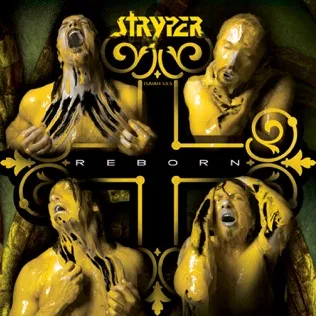
Stryper's "Passion," unveiled on August 16, 2005, as a vital track from their album *Reborn*, immediately immerses the listener in a profound narrative of spiritual rediscovery. This song serves as a raw, honest confession, tracing a path from deep-seated desolation to the liberating embrace of divine grace. It speaks to the universal human experience of feeling utterly lost and alone, a sentiment poignantly captured in the opening verses that paint a picture of emptiness and displacement, echoing the spiritual wilderness many traverse before finding true direction. This initial state of isolation, "no bed, no lights, no telephone," is not merely physical but a stark metaphor for a soul detached from its source of comfort and guidance, much like a sheep gone astray, as described in Matthew 18:12, needing the shepherd's diligent search.
The narrative deepens as the song reflects on a life built upon worldly ambitions, where a "career" meant to provide stability instead "weakened me to petty doubt and frivolous fear." This candid admission resonates with the wisdom found in Ecclesiastes, which often speaks to the vanity of earthly pursuits and the hollowness of striving for material success when severed from eternal purpose. The pursuit of self-made empires, however grand, often leaves one vulnerable and spiritually fragile, unable to withstand life's anxieties. It is a powerful reminder of Matthew 6:24, which warns against serving two masters, highlighting how devotion to worldly gain inevitably compromises one's spiritual foundation and invites an unnecessary burden of worry.
The turning point, the heart of the song, bursts forth with the direct, unreserved plea: "Jesus Christ, I want to serve You, I want what You want for me." This declaration signifies a complete surrender, a powerful shift from self-determination to divine alignment. It acknowledges the immense chasm between human failing and divine mercy, stating, "Sacrifice, I don't deserve You." Here, the profound meaning of Christ's "Passion" is unveiled—not merely as an emotion, but as His ultimate suffering, crucifixion, and resurrection, which paid the debt for humanity's sins. It is through this monumental act of love and sacrifice, as articulated in Isaiah 53:5 and 1 Peter 2:24, that the individual finds true emancipation: "Through Your passion I am free." This freedom is not a license for further indulgence but a liberation from the bondage of sin and self, enabling a life wholly dedicated to God's will, aligning with Romans 12:1's call to offer our bodies as living sacrifices.
The song further delves into a profound moment of self-realization, as the narrator observes, "It's funny how I see myself as wounded and scarred, when my reality itself proved selfish and hard." This line masterfully unmasks the deceptive nature of self-pity, revealing how often personal struggles can blind us to our own complicity in creating our circumstances through self-centeredness. It’s an act of profound humility, recognizing the truth of Jeremiah 17:9, which states the heart is deceitful, and acknowledging personal accountability. This honesty paves the way for genuine repentance and transformation, stripping away the layers of pretense to confront a true, unvarnished spiritual state.
The imagery of living in a "painted world where everything's dry" and the "only water that I've seen was painfully cried" vividly portrays a soul suffering from spiritual desiccation. This speaks to the deceptive allure of worldly substitutes for true sustenance, a life devoid of the "living water" promised by Jesus in John 4:13-14, which alone can quench an eternal thirst. The tears shed represent a longing, a spiritual agony that paradoxically prepares the heart to receive the true refreshment that only comes from a relationship with the Divine. The repeated affirmation, "I want what You want for me," is not a passive resignation but an active, joyous embrace of God's perfect plan, a testament to the transformative power of surrender and the enduring hope found in His unwavering love, even amidst a parched existence. This song is a powerful testament to the journey from spiritual famine to the overflowing springs of grace, compelling listeners to examine their own paths and seek the freedom offered through Christ's ultimate act of love.