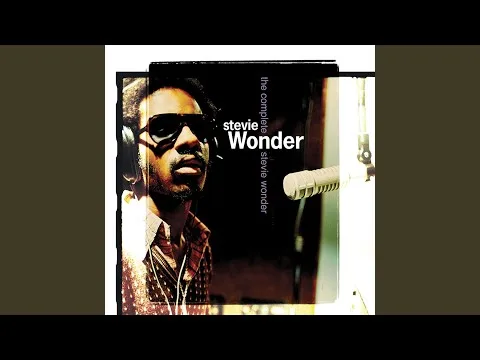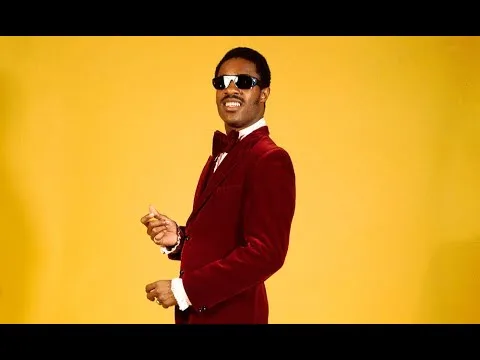
Stevie Wonder - Someday at Christmas Lyrics
Released: 01 Jan 2013
Lyrics
Someday at Christmas, men won't be boys
Playing with bombs like kids play with toys
One warm December, our hearts will see
A world where men are free
Someday at Christmas, there'll be no wars
When we have learned what Christmas is for
When we have found what life's really worth
There'll be peace on Earth
Someday all our dreams will come to be
Someday in a world, where men are free
Maybe not in time for you and me
But someday at Christmas time
Someday at Christmas, we'll see a land
With no hungry children, no empty hands
One happy morning, people will share
A world where people care
Someday at Christmas, there'll be no tears
Where all men are equal and no man has fears
One shiney moment while on our way
From our world today
Someday all our dreams will come to be
Someday in a world where men are free
Maybe not in time for you and me
But someday at Christmas time
Someday at Christmas, men will not care
Hate will be gone and love will prevail
Someday a new world that we can start
With hope in every heart
Someday all are dreams will come to be
Someday in a world where men are free
Maybe not in time for you and me
But someday at Christmas time
Someday at Christmas time
Video
Stevie Wonder, Andra Day - Someday At Christmas
Meaning & Inspiration
Stevie Wonder sings about a world without bombs and hungry children, and honestly, standing here in the back of the room, it’s hard not to wince. It sounds nice, the way a holiday card looks nice on a mantle, but it feels like a heavy coat of paint over a crumbling wall. "Cheap Grace" is what Dietrich Bonhoeffer called the kind of religion that demands nothing and costs nothing—it’s just a mood.
When you’re sitting in a kitchen that’s too quiet because someone isn't coming back, or you’re staring at a termination letter on a Tuesday morning, "Someday" feels like a cruel joke. It’s a distant horizon line that keeps receding every time you try to walk toward it.
Wonder croons, "Maybe not in time for you and me / But someday at Christmas time."
There’s a strange, jagged honesty in that line that saves the song from being purely saccharine. It admits the gap. It acknowledges that the peace we’re talking about isn’t for the broken people currently bleeding out in the real world. It’s a deferred promise. It reminds me of Hebrews 11:13: "All these people were still living by faith when they died. They did not receive the things promised; they only saw them and welcomed them from a distance."
If I’m being fair, that’s the tension of the gospel, isn’t it? It’s not just a feel-good vibe. It’s an insistence that things are fundamentally broken, and that we are currently living in the "not yet."
But I have to push back. Is "learning what Christmas is for" enough to stop the wars? History says no. We’ve been "learning" for two thousand years, and the bombs are still falling. If the hope is just "love will prevail," I need to see more than a melody. I need to see it in the rubble.
I want to believe Wonder. I want to believe that there’s a world coming where "no man has fears." But when I look at the news, the distance between the song and the street is miles wide. If this is going to be more than a pretty sentiment for a December radio rotation, it has to survive the silence of a grave. It has to hold up when the world doesn't change, when the tears don't stop, and when the hungry children stay hungry.
Maybe the song isn't a promise. Maybe it’s just a defiant scream against the dark. It’s not an answer; it’s a protest. And maybe that’s the only way we get through the night—by singing about a morning we’re fairly certain we won't live to see, while still hoping, against all evidence, that the sun might actually rise.