Sovereign Grace Music - We Will Glorify Lyrics
Lyrics
We will glorify the King of kings
We will glorify the Lamb
We will glorify the Lord of lords
Who is the great I AM
Lord Jehovah reigns in majesty
We will bow before His throne
We will worship Him in righteousness
We will worship Him alone
He is Lord of heaven, Lord of earth
He is Lord of all who live
He is Lord above the universe
All praise to Him we give
Hallelujah to the King of kings
Hallelujah to the Lamb
Hallelujah to the Lord of Lords
Who is the great I AM
Video
We Will Glorify (Live)
Meaning & Inspiration
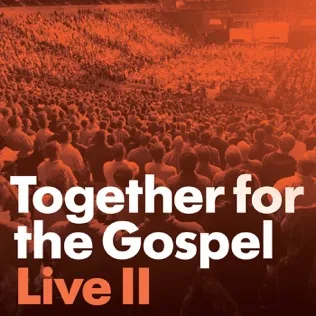
"We Will Glorify," a cornerstone of Sovereign Grace Music's contribution to the *Together for the Gospel II* album released in late 2012, stands as a powerful and biblically rich declaration of divine sovereignty and worthiness. This hymn, far from being a mere contemporary worship tune, is a profound theological statement woven into accessible lyrical form. Its core message centers on the exalted nature of God, particularly as revealed through the titles "King of kings," "Lamb," and "Lord of lords," culminating in the ultimate self-declaration of deity, "the great I AM." The repeated and resolute "we will" throughout the verses signifies a communal commitment to actively honor and exalt God, not as a passive observer, but as an intentional act of faith.
The song’s strength lies in its unapologetic focus on God's inherent majesty, drawing directly from scriptural pronouncements of His supreme authority. The assertion that "Lord Jehovah reigns in majesty" echoes passages like Psalm 93:1, which states, "The LORD reigns, he is clothed with majesty." The call to "bow before His throne" and worship "in righteousness" and "alone" directly aligns with the foundational biblical command to worship only the one true God, as seen in Exodus 20:3, "You shall have no other gods before me." The imagery of bowing before a throne is a pervasive theme in Scripture, representing submission and reverence to divine authority, as exemplified in Revelation 4:10 where the elders fall down before God, casting their crowns before His throne. Furthermore, the song’s declaration of God’s lordship over all creation – "Lord of heaven, Lord of earth," and "Lord above the universe" – is a direct reflection of biblical truth found throughout the Old and New Testaments, underscoring His all-encompassing rule and dominion, as spoken of in Psalm 24:1: "The earth is the LORD’s, and everything in it, the world, and all who live in it." The repeated "Hallelujah" serves as a joyful and ancient acclamation of praise, a fitting culmination to a song that so thoroughly grounds itself in the revealed character and power of God. The lyrical content, while simple in structure, carries immense weight, serving as a potent reminder of who God is and the appropriate response of His creation – unreserved and devoted worship.