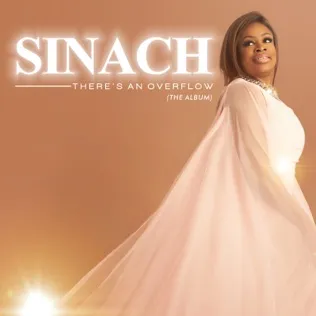
Sinach - Worthy Is The Lamb Lyrics
Lyrics
Worthy is the lamb,
That was slain,
To Him be glory, and honor and praise
And unto the lamb,
Who seats upon the throne,
To Him be glory and honor and power for ever and ever
Amen.
The Angels bow down, in adoration,
We join them now as we lift our voices, crying holy,
Worthy is the lamb
Worthy is the lamb
Amen.
Video
WORTHY IS THE LAMB: SINACH
Meaning & Inspiration
When we approach the platform, there is always the temptation to curate a moment that feels manageable, something that centers on our own personal emotional arc. We often treat songs like rungs on a ladder, using them to climb toward a feeling. But Sinach’s writing here ignores that ladder entirely. Instead, she drops us right into the middle of a scene that’s already in motion.
"The Angels bow down, in adoration," she sings. It’s a jarring, beautiful pivot. When we sing this, we aren't initiating worship; we are interrupting ourselves to join a conversation that started long before we walked into the building.
From a structural perspective, the singability is deceptively simple. It doesn’t demand a complex range, which is good, because it forces the focus away from the singer’s ability and onto the subject. As someone who spends far too much time obsessing over transitions and the flow of a service, I’ve learned that the hardest thing to do is to get a congregation to stop "performing" their devotion and just acknowledge what is objectively true. This lyric does that work for us. It frames the room not as a concert hall or a living room for our private thoughts, but as an annex to the throne room described in Revelation 5:12.
There’s a specific tension in the phrase, "Worthy is the lamb, that was slain." It’s an odd thing to fixate on—a sacrifice that is also a sovereign. We have a habit of wanting to skip the "slain" part and move straight to the glory. We like the throne; we’re uncomfortable with the blood. But if you strip away the history of the Cross, the glory becomes abstract—just a bright light with no heat. By linking the Lamb’s worthiness directly to the act of being slain, Sinach grounds the theology in something visceral.
When the music finally fades and the room goes quiet, what are we left holding?
It isn't a warm, fuzzy feeling of self-actualization. It’s the weight of a fact. You are left standing in the silence with the realization that the center of the universe isn't your own struggle or your own triumph, but a Lamb who holds the honor. It’s a strange, unfinished sort of peace. You don’t walk away feeling like you’ve "had a good worship experience"—you walk away feeling small, which is exactly where we need to be.
Sometimes I worry that our songs are too busy explaining how we feel about God. This isn't that. It’s a repetitive, stubborn insistence on who He is. It’s not a prayer asking for anything; it’s an acknowledgement of what is already true, whether we feel like participating or not. That kind of clarity is rare. It doesn't rely on our mood. It just holds the line.