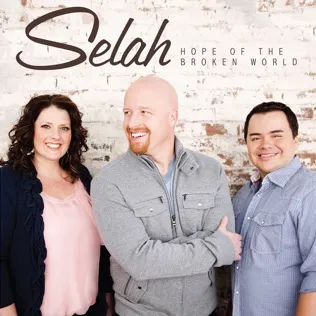
Selah - When Love Was Slain Lyrics

Album: Hope of the Broken World
Released: 23 Aug 2011
iTunes Amazon Music

Lyrics

Verse One:
This world is not my home,
Oh, this world is not my home,
My home's been made at Heaven's throne,
This world is not my home.
This life is not my own,
Oh, this life is not my own,
I am His and His alone,
This life is not my own.

Chorus:
I was bought when Love was slain,
What I cost, to pay death's wage,
Now ransomed, I am freedom's slave,
My Jesus raised me from the grave.

Verse Two:
Come now and walk with me,
Oh, come now and walk with me,
Together we and Lord shall meet,
Come now and walk with me.

Chorus:
I was bought when Love was slain,
What I cost, to pay death's wage,
Now ransomed, I am freedom's slave,
My Jesus raised me from the grave.
(Repeat)

Verse Three:
Soon Lord, very soon,
Oh, soon Lord, oh very soon,
You'll come take me to be with You,
Soon Lord, very soon.
Soon Lord, oh very soon.

Video

When Love Was Slain

Thumbnail for When Love Was Slain video

Meaning & Inspiration

Selah's "When Love Was Slain," released on August 23, 2011, as part of their album *Hope of the Broken World*, offers a profound spiritual reflection, weaving together themes of pilgrimage, redemption, and eternal hope. The song immediately establishes a core Christian worldview, articulating a sense of alienation from earthly comforts and an unwavering allegiance to a divine purpose. The opening lines, asserting that "This world is not my home" and "This life is not my own," set the stage for a journey of faith that transcends temporal existence. This declaration aligns perfectly with scriptural teaching, reminding believers, as in Hebrews 11:13, that they are "strangers and exiles on the earth," seeking a "better country—a heavenly one." Similarly, the affirmation of divine ownership echoes 1 Corinthians 6:19-20, which proclaims that we are "not your own; you were bought at a price," underscoring that our lives are dedicated to God's glory alone.

The heart of the song's message beats most powerfully in its chorus, which vividly portrays the epic scope of Christian redemption. The phrase "I was bought when Love was slain" is a striking poetic summary of the Gospel, referencing the ultimate sacrifice of Jesus on the cross. Here, "Love" is personified as Christ Himself, whose crucifixion paid the ultimate "death's wage." This resonates deeply with John 3:16, "For God so loved the world that he gave his one and only Son," and Romans 5:8, which states that "God demonstrates his own love for us in this: While we were still sinners, Christ died for us." The idea of being "bought" speaks to the ransom price paid for humanity's sin, a concept found in 1 Peter 1:18-19 where believers are redeemed "with the precious blood of Christ." The paradox of being "ransomed, I am freedom's slave" beautifully captures the essence of Christian liberty: freedom from sin's bondage leads to willing service to Christ, echoing Romans 6:22, "But now that you have been set free from sin and have become slaves of God, the benefit you reap leads to holiness, and the result is eternal life." The triumphant conclusion, "My Jesus raised me from the grave," not only signifies Christ's resurrection but also promises new spiritual life for the believer, as articulated in Ephesians 2:5-6, where God "made us alive with Christ even when we were dead in transgressions."

The second verse extends an invitation, "Come now and walk with me," transforming the personal testimony into a communal call. This reflects the Great Commission and the inherent desire within faith to share the journey and the hope found in Christ with others. It’s an echo of Jesus’ own invitation in Matthew 11:28, "Come to me, all you who are weary and burdened, and I will give you rest," fostering a spirit of fellowship and shared purpose in seeking divine presence. This emphasis on togetherness in spiritual pursuit strengthens the bond among believers and extends the grace received to those yet to hear.

Finally, the song turns its gaze toward the future with the fervent declaration, "Soon Lord, very soon," articulating the blessed hope of Christ's return and the believer's eventual reunion with Him. This powerful anticipation is a cornerstone of Christian faith, a yearning for the fulfillment of promises found in scriptures like John 14:3, where Jesus assures His disciples, "I will come back and take you to be with me that you also may be where I am." This longing for His imminent return, as expressed in Revelation 22:20, "Come, Lord Jesus," imbues the song with an undeniable sense of urgent expectation and comforting assurance. Selah’s rendition of "When Love Was Slain" serves as a deeply moving anthem for the pilgrim soul, anchoring the believer in core truths of redemption, inviting others to join in faith, and inspiring unwavering hope in the coming glory. It is a compelling testament to the enduring power of God's love and the promise of eternal life.

Loading...
In Queue
View Lyrics