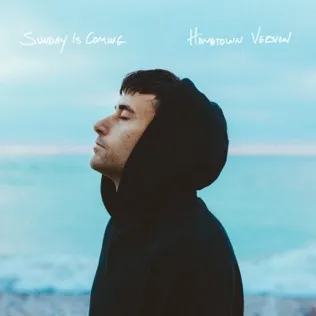
Phil Wickham - I Believe Lyrics
Lyrics
I believe there is one salvation
One doorway that leads to life
One redemption
One confession
I believe in the name of Jesus Christ
I believe in the crucifixion
By His blood I have been set free
I believe in the resurrection
Hallelujah His life is death’s defeat
All praise to God the Father
All praise to Christ the Son
All praise to the Holy Spirit
Our God has overcome
The King who was and is and evermore will be
In Jesus mighty name I believe
I believe I believe
I believe in the hope of heaven
He’s preparing a place for me
Far beyond what hearts imagine
Ears have heard or eyes have seen
I believe that a day is coming
He’s returning to claim His bride
Light the altar
Keep it burning
See the Lamb who rose a roaring Lion
All praise to God the Father
All praise to Christ the Son
All praise to the Holy Spirit
Our God has overcome
The King who was and is and evermore will be
In Jesus mighty name I believe
Oh I believe in You
No I’ll never be ashamed
Of the gospel of Jesus Christ
How could I ever walk away
From the One who saved my life
No I’ll never be ashamed
Of the gospel of Jesus Christ
How could I ever walk away
From the One who saved my life
Oh no I’ll never be ashamed
Of the gospel of Jesus Christ
How could I ever walk away
From the One who saved my life
All praise to God the Father
All praise to Christ the Son
All praise to the Holy Spirit
Our God has overcome
The King who was and is and evermore will be
In Jesus mighty name I believe
All praise to God Our Father
All praise to Christ the Son
All praise to the Holy Spirit
Our God has overcome
The King who was and is and evermore will be
In Jesus mighty name I believe
I believe I believe
I believe I believe
Video
Phil Wickham - I Believe (Official Music Video)
Meaning & Inspiration
Phil Wickham’s "I Believe" is a declaration, but as an editor, I find it suffers from a familiar malaise: the loop. By the time we hit the third iteration of the chorus, the conviction risks being buried under the weight of sheer repetition. We don’t need the extra bars to believe; we need the space to let the lyrics actually settle.
Despite the bloat, there is a singular Power Line that anchors the entire track: "See the Lamb who rose a roaring Lion."
This works because it strips away the sanitized, gentle version of faith we often prefer. It forces a collision between the vulnerability of the crucifixion—the Lamb led to the slaughter—and the absolute, terrifying victory of the resurrection. It’s a jarring image. It reminds me of Revelation 5:5, where John is told to stop weeping because the Lion of the tribe of Judah has conquered. The power isn’t in the roar alone; it’s in the fact that the Lion is the one who bears the scars of the Lamb.
When I listen, I find myself hung up on the line, "Light the altar / Keep it burning." It’s a command, yet it feels desperate. If the victory is already won, why do we need to labor to keep the fire going? Perhaps because faith isn't a static achievement. It’s an ember that gets cold fast in the middle of a Tuesday, when the music stops and the reality of a broken world sets in. We say we believe, but holding onto that belief when the adrenaline of the chorus fades? That’s the real work.
The bridge—"How could I ever walk away / From the One who saved my life"—is meant to be a rhetorical flourish, yet it strikes me with a quiet, uncomfortable question. Why do people walk away? It happens not because the truth changes, but because the walk itself becomes exhausting. The song positions faith as an unshakeable stance, but my experience suggests it is often a stubborn refusal to let go, even when the grip feels weak.
Wickham has built a standard-issue anthem here, but that specific image of the Lamb-Lion is what sticks. It serves as a necessary rebuke to anyone trying to shrink the mystery of the Gospel into something small, safe, or easily explained. It’s big, it’s loud, and for all its repetitive tendencies, it points toward a standard of belief that demands everything. I just wish it trusted the listener enough to get there without saying "I believe" quite so many times.