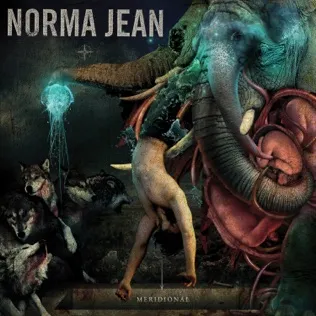
Norma Jean - A Media Friendly Turn for the Worse Lyrics

Album: Meridional
Released: 13 Jul 2010
iTunes Amazon Music

Lyrics

They provide their nectar and then I am released. I am a grain of sand underneath the floor and so far out of reach, but I am safe from harm. Against this shelter they are always hammering, against these ears they are always deafening.

I too know an angry language. Our pain is always accurate and striving to evade its only design. It wants to strike you down to fall into its arms again. Blood is thicker than water, but which one did you drink? Oh...

What I know was divided and broken down by the ignorance of others. Spoken from their lips, but with the lungs of another. Sounds great but tastes like blood. These rumor sessions are assembled by us all... by us all. They are the earth and we are the breath of life.

Your pain is always accurate and striving to evade its only design. I want to strike you down to fall into my arms again. Blood is thicker than water, but which one did you drink... did you drink?

Put down that retribution. I don't need your absolution. Yeah...
Put down that retribution. I don't need your absolution.
Put down that retribution. I don't need your absolution.... No... No... No...

Video

A Media Friendly Turn For The Worse

Thumbnail for A Media Friendly Turn for the Worse video

Meaning & Inspiration

Released on July 13, 2010, as part of their album *Meridional*, Norma Jean’s "A Media Friendly Turn for the Worse" serves as a searing critique of human nature and the insidious ways society, often through pervasive influence, can lead souls astray. The song delves into the deep-seated spiritual conflict within us, questioning the origins of our beliefs, the source of our solace, and ultimately, where we seek our absolution. It’s a profound exploration of discernment in a world brimming with convenient lies and palatable deceptions, a world where the path of destruction is often packaged to appear appealing.

The narrative opens with a sense of deceptive ease, describing the provision of a "nectar" followed by a release. This imagery immediately brings to mind the fleeting pleasures of the world or the empty promises of sin, which offer temporary satisfaction only to leave one spiritually vulnerable. Just as Proverbs 9:17 speaks of "stolen water is sweet," these fleeting delights can taste good but lead to separation. The sentiment of being "a grain of sand" yet "safe from harm" points to a paradoxical human experience: an awareness of our smallness in the vastness of existence, yet a clinging to the assurance of divine protection amidst relentless external pressures. These "hammering" and "deafening" forces symbolize the constant spiritual warfare we face, the relentless assaults of the world, the flesh, and the adversary, trying to drown out truth and peace, echoing 1 Peter 5:8, where the enemy "prowls around like a roaring lion looking for someone to devour."

The song then courageously confronts our own fallen nature, admitting "I too know an angry language." This acknowledges the inherent capacity for sin and wrath within each heart, a struggle vividly described in Romans 7:15-20, where Paul laments doing what he does not want to do. The lyrics speak of pain being "always accurate," yet striving "to evade its only design," suggesting that while our suffering is real, we often misinterpret its purpose, allowing it to draw us deeper into the destructive cycle of sin that "wants to strike you down to fall into its arms again." This mirrors James 1:14-15, which illustrates how desire leads to sin, and sin, when full-grown, gives birth to death. The piercing question, "Blood is thicker than water, but which one did you drink?", cuts to the core of spiritual allegiance. This is not merely about familial ties but a profound theological choice. Are we partaking of the life-giving "blood" of Christ’s covenant, the ultimate sacrifice for salvation (Hebrews 9:22, John 6:53-56), or are we quenching our thirst with the "water" of worldly philosophies, self-reliance, or empty doctrines, which, like the water Jesus spoke of to the Samaritan woman, leaves one thirsty again (John 4:13)?

The song further laments how truth can be "divided and broken down by the ignorance of others," a phenomenon often seen in the distortion of divine wisdom by human understanding. The line "spoken from their lips, but with the lungs of another" is a powerful image of hypocrisy and false teaching, where individuals parrot ideas that are not rooted in genuine spiritual insight, akin to Matthew 15:8: "These people honor me with their lips, but their hearts are far from me." Such messages "sound great but tastes like blood," a stark warning against doctrines that appear appealing but are spiritually toxic, leading to death rather than life. This echoes Matthew 7:15, cautioning against false prophets in "sheep’s clothing." The admission that "these rumor sessions are assembled by us all" points to our collective complicity in perpetuating negativity, gossip, and division, highlighting the destructive power of the tongue described in James 3:6. The distinction "They are the earth and we are the breath of life" powerfully separates the temporal, fallen nature of the world from the divine, eternal essence breathed into humanity by God (Genesis 2:7), challenging us to align with the latter.

The song reiterates the internal struggle and the pivotal choice with the repeated lines about pain, the tempting voice, and the critical question: "Blood is thicker than water, but which one did you drink... did you drink?" This repetition underscores the constant spiritual battle and the necessity of making a definitive choice for life. The ultimate declaration, "Put down that retribution. I don't need your absolution," serves as a potent spiritual defiance. It’s a rejection of worldly cycles of vengeance and human judgment, asserting that true forgiveness and redemption come solely from God. Romans 12:19 instructs, "Do not take revenge, my dear friends, but leave room for God’s wrath," emphasizing that vengeance belongs to the Divine. Furthermore, the rejection of human "absolution" powerfully affirms that only God can truly forgive sins (Mark 2:7, 1 John 1:9), rendering human attempts at conferring or withholding spiritual pardon as ultimately futile. "A Media Friendly Turn for the Worse" stands as a compelling spiritual anthem, urging us to navigate the complexities of faith and truth in a world that often seeks to obscure them, encouraging a steadfast reliance on divine grace and a discerning spirit in all things.

Loading...
In Queue
View Lyrics