Mortification - Starlight Lyrics
Lyrics
Chorus
Starlight - starbright
Show me the light
Starlight - starbright
Show me the light
I confess that sometimes
I question how things are
I ask myself if I gaze into the starlight
I know that I will be alright.
But loved ones and friends
I pray will be there too
Life is short - am I aging
When I know I'm still learning
Questions formed - and the answers
There's no mystery
Cause I know the purpose of life
Chorus
Chorus
Murder, lies, deceit
I will follow none of these
Oppressed and consumed
But still my life is free
Life on earth calls for strength
Respect and courage I must build within
Eloi - dawn on me
The dawn of eternity
Eloi - dawn on me
The dawn of eternity
Video
Starlight
Meaning & Inspiration
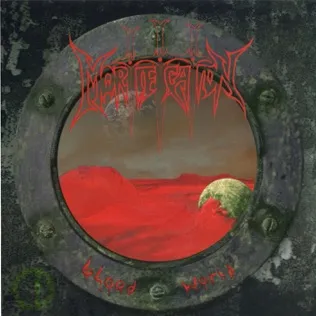
Released on January 1, 1994, as part of the album *Blood World*, Mortification's "Starlight" emerges not merely as a track but as a profound spiritual journey set to a compelling rhythm. From its opening invocation, the song immediately draws listeners into a heartfelt quest for divine illumination, painting a lyrical landscape of introspection, struggle, and ultimate affirmation of faith. It’s a powerful anthem for anyone navigating the complexities of existence while striving to fix their gaze on an eternal beacon.
The song’s core message is encapsulated in its repeated chorus: "Starlight - starbright, Show me the light." This isn't a whimsical wish upon a star but a deep spiritual yearning for guidance and truth, akin to the Psalmist's declaration that God's Word is "a lamp to my feet and a light to my path" (Psalm 119:105). It echoes the words of Jesus, who proclaimed, "I am the light of the world. Whoever follows me will not walk in darkness, but will have the light of life" (John 8:12). The "starlight" here represents that unchanging, divine source of wisdom and clarity that cuts through the shadows of uncertainty, offering a steady direction amidst life's often bewildering questions.
As the verses unfold, the narrative delves into the human experience of doubt and questioning: "I confess that sometimes I question how things are." This vulnerability is relatable, touching on the very nature of faith which often coexists with periods of searching. Yet, the conviction quickly surfaces: "I know that I will be alright." This powerful assurance isn't born of self-reliance but a deep trust in a higher power, reflecting the peace that surpasses understanding available to those who cast their anxieties upon God, knowing "He cares for you" (1 Peter 5:7). The plea for loved ones and friends to share in this journey underscores the communal aspect of faith and the desire for all to find the same solace and hope.
The song then confronts the temporal nature of life: "Life is short - am I aging when I know I'm still learning?" This line grapples with the swift passage of time and the continuous process of growth, reminding us of Psalm 90:12: "Teach us to number our days, that we may gain a heart of wisdom." The ultimate resolution to these existential ponderings arrives with unwavering clarity: "Cause I know the purpose of life." This statement, devoid of ambiguity, points directly to a Christian worldview where the purpose of life is found in knowing God and living according to His will (Ecclesiastes 12:13). It’s a testament to the transformative power of divine revelation, turning mystery into meaning.
The latter part of the song boldly confronts the pervasive evils of the world: "Murder, lies, deceit - I will follow none of these." This is a resolute rejection of sin and a commitment to righteousness, embodying the Apostle Paul’s exhortation to "put off your old self, which is being corrupted by its deceitful desires... and to put on the new self, created to be like God in true righteousness and holiness" (Ephesians 4:22-24). Despite being "Oppressed and consumed," the declaration "But still my life is free" speaks volumes about the spiritual freedom found in Christ, a liberty that transcends earthly circumstances and worldly pressures (Galatians 5:1). The call to cultivate inner strength, respect, and courage reinforces the biblical mandate for believers to stand firm in their faith, to be "strong in the Lord and in his mighty power" (Ephesians 6:10).
Finally, the song culminates in a profound cry: "Eloi - dawn on me, The dawn of eternity." The use of "Eloi," a direct reference to Jesus' cry from the cross ("Eloi, Eloi, lema sabachthani?" – Mark 15:34), injects a powerful layer of spiritual depth, signifying a direct, urgent appeal to God Himself. It’s a plea for divine intervention, for the very presence of God to illuminate the soul, bringing forth the ultimate hope of eternal life. This yearning for the "dawn of eternity" speaks to the Christian's ultimate hope of dwelling with God, where there will be no more night, and God Himself will be the light (Revelation 21:3-4, 22:5). "Starlight" is, therefore, not just a song; it's a prayer, a declaration, and an inspiring affirmation of faith’s enduring power to guide, free, and ultimately fulfill the deepest longings of the human spirit.