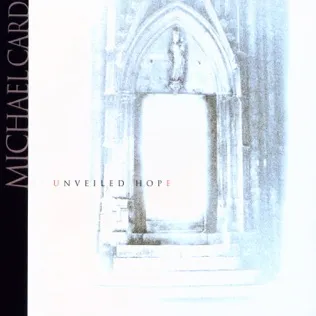
Michael Card - To the Overcomers Lyrics
Lyrics
I know your deeds, I've seen your service
I recognize the reputation of your lives
But I know you live near Satan's shadow
And I have seen your faithful struggles to survive
And to the one who overcomes I'll give the manna
He'll have a pure white stone with his own secret name
She will possess the morning star in all its splendor
All this and more for them because they overcame
So just hold on, do not grow weary
For I am He who searches hearts and minds
Behold I'm standing at the door and I am knocking
And the one who hears and opens it will find
That the one who overcomes will rule the nations
On the throne he'll sit beside me dressed in white
She will become a column in God's holy temple
They will all eat freely from the Tree of Life
The overcomers come to understand
That they are precious poems printed
In the palms of His hands
And to the one who overcomes I'll give the manna
He'll have a pure white stone with his own secret name
She will possess the morning star in all its splendor
All this and more for them because they overcame
And to the one who overcomes I'll give the manna
He'll have a pure white stone with his own secret name
She will possess the morning star in all its splendor
All this and more for them because they overcame
Video
Michael Card - To The Overcomers
Meaning & Inspiration
Michael Card's "To the Overcomers," released on July 15, 1997, as part of his album *Unveiled Hope*, stands as a profound testament to the promises found within the book of Revelation. Far from a casual listen, this song is a meticulously crafted tapestry of biblical assurances, designed to instill courage and enduring hope in those navigating the trials of faith. Card, renowned for his deep scriptural immersion, distills complex eschatological themes into an accessible and deeply moving narrative, making the ancient words of Christ feel vibrantly present for the modern believer. The song serves as a powerful reminder that God not only observes our struggles but has prepared an unimaginable inheritance for those who persevere.
The profound meaning behind "To the Overcomers" is drawn directly from the letters of Christ to the seven churches in Revelation chapters two and three, particularly focusing on the rewards promised to "him who overcomes." Card intricately weaves together these divine declarations, creating a composite portrait of the believer's journey and ultimate victory. The song opens with an intimate acknowledgment of both diligence and distress, echoing Christ's omniscient perspective: "I know your deeds, I've seen your service... But I know you live near Satan's shadow." This resonates deeply with passages like Revelation 2:13, where the church in Pergamum is praised for holding fast to His name even where Satan has his throne, and Revelation 2:19, recognizing the works, love, service, and perseverance of Thyatira. It highlights that God sees not just our outward actions but also the difficult spiritual environments we contend with daily, affirming that our struggles are neither invisible nor in vain.
The heart of the song unfolds in its rich enumeration of Christ's promises, drawing directly from the specific rewards for overcoming mentioned in Revelation. For instance, the declaration "to the one who overcomes I'll give the manna" directly references Revelation 2:17, promising "hidden manna." This speaks to spiritual nourishment, Christ himself as the Bread of Life (John 6:35), and the sustenance provided even in spiritual wildernesses, far surpassing the physical manna given to Israel. Following this, the promise of a "pure white stone with his own secret name" also from Revelation 2:17, symbolizes vindication, acceptance, and a deeply personal, intimate relationship with Christ. In ancient contexts, a white stone could be a token of acquittal or an invitation to a special feast, signifying a new status and belonging known uniquely by the receiver and the Giver. The majestic assurance that "she will possess the morning star in all its splendor" directly aligns with Revelation 2:28, where Christ promises "the morning star" to those who overcome. This signifies sharing in Christ's own glory and authority, as He identifies Himself as "the bright and morning star" in Revelation 22:16, foretelling His triumphant return and reign.
The song continues its inspiring call to endurance, reminding us, "So just hold on, do not grow weary, for I am He who searches hearts and minds." This echo of Revelation 2:23, where Christ declares, "I am He who searches the minds and hearts," reinforces God’s perfect understanding of our innermost being and motives, preventing discouragement in the face of unseen battles. The iconic image of Christ "standing at the door and I am knocking" is a direct quotation from Revelation 3:20, originally addressed to the lukewarm church of Laodicea. Here, it is presented as a universal invitation for intimate fellowship—a personal encounter with Christ, promising that "the one who hears and opens it will find" profound spiritual connection and communion.
The final verses expand on the glorious inheritance awaiting the overcomers. "The one who overcomes will rule the nations," directly referencing Revelation 2:26-27, speaks to the profound co-reign with Christ in His kingdom, a sharing of His authority over the nations. The vision of sitting "on the throne he'll sit beside me dressed in white" is drawn from Revelation 3:21, a promise to the Laodicean overcomers, signifying intimacy with Christ and participation in His sovereignty. Furthermore, the promise that "she will become a column in God's holy temple" from Revelation 3:12 (to Philadelphia) speaks of permanence, security, and an honored, foundational place in God's eternal presence, bearing His very name. And perhaps most significantly, the assurance that "they will all eat freely from the Tree of Life" comes from Revelation 2:7 (to Ephesus), symbolizing the restoration of eternal life and communion with God in paradise, reversing the curse of Eden and granting unending vitality. The bridge beautifully encapsulates this identity: "The overcomers come to understand, That they are precious poems printed In the palms of His hands." This metaphorical language evokes Ephesians 2:10, where we are God’s "workmanship" (Greek *poema*), showcasing His creative intent and our inherent value. The phrase "printed in the palms of His hands" is a direct echo of Isaiah 49:16, assuring us of God’s constant remembrance, unwavering care, and absolute security in His keeping. Through this powerful and meticulously scriptural composition, Michael Card offers not merely a song, but a declaration of divine promise, a wellspring of hope, and a compelling call to enduring faith for all who journey toward heavenly victory.