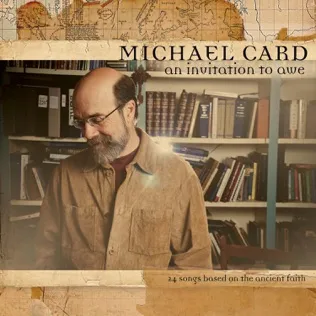
Michael Card - Job Suite Lyrics

Album: An Invitation to Awe
Released: 01 Jan 2011
iTunes Amazon Music

Lyrics

Blameless and upright, a fearer of God
A man truly righteous, no pious facade
One about whom God was accustomed to boast
And so one whom Satan desired the most
One day the accuser came breathing out lies
"It's Your holy handouts, his faithfulness buys"
In one desperate day his possessions were lost
His children all killed in one raw holocaust
And yet through it all
Through the tears and pain
He worshiped his God Found no reason to blame
Once more the Deceiver denounced and decried
"It's skin for skin, and hide for hide,
Strike down his flesh and he'll surely deny
And confess that his praying has all been a lie."
"Very well, take him," the Holy One sighed
But you must spare his life, my son shall not die
So Job was afflicted with terrible sores
Sat down in the ashes to wait for the Lord
And yet through it all Through the tears and pain
He worshiped his God Found no reason to blame

A throne of ashes
A crown of pain
A sovereign of sorrow
A mournful reign
May the day of my birth be remembered no more
May darkness and shadow come and claim it once more
Why did I not perish on that dreadful day
And sleep now where kings and counselors lay
What I dreaded most has now come upon me
Why is light given those in misery?
I loathe my own life, so my tears fall like rain
As I find that there is no peace in my pain
Lord, send a Comforter now to my door
So that this terror will frighten no more
A Counselor between us, to come bear my oath
Someone who could lay a hand on us both
These friends of mine are no comfort to me
So deafly they listen, so blindly they see
Their words and their doctrine, they all sound so true
The problem is Lord, they're all wrong about you!
I know my Advocate waits upon high
My Witness in heaven sees the tears that I cry
A true intercessor who will condescend
To plead with God as a man pleads for his friend
If I've been untrue, if I've robbed the poor
If I'm without guilt, what am I suffering for?
God would not crush me for some secret sin
And though He slay me still I'll trust in Him
I know now that my Redeemer's alive
He'll stand on this earth on the day He arrives
And though my own body by then is no more
Yet in my flesh I know, I'll see the Lord
I'll see the Lord,
I'll see the Lord

Who is it that darkens my counsel?
Who speaks empty words without knowledge?
Brace yourself up like a man
And answer me now, if you can
Can you put on glory and splendor?
What's the way to the home of the light?
Does your voice sound like the thunder?
Are you not afraid?
Where were you when earth's foundations were laid?
Who gave the heart its wisdom?
The mind its desire to know?
Can you bind the stars?
Raise your voice to the clouds?
Did you make the eagle proud?
Will the ox spend the night by your manger?
Did you let the wild donkey go free?
Can you take leviathan home as a pet?
If you merely touched him, you'd never forget
Who is it that darkens my counsel?
Who speaks empty words without knowledge?
Brace yourself up like a man
And answer me now, if you can

I am unworthy, how can I reply?
There's nothing that you cannot do
You are the storm that calmed my soul
I place my hand over my mouth

Video

Job Suite: His Story, His Lament, His God, His Response

Thumbnail for Job Suite video

Meaning & Inspiration

Michael Card’s "Job Suite," released on January 1, 2011, as part of his album *An Invitation to Awe*, is far more than a simple song; it is a profound musical journey through one of Scripture's most challenging and redemptive narratives. Card masterfully condenses the sprawling Book of Job into a cohesive and moving piece, inviting those who hear it to wrestle with questions of suffering, sovereignty, and unwavering faith. From its opening verses, the suite immediately immerses one in the character of Job, introduced as "Blameless and upright, a fearer of God," a man so righteous that God himself boasts of him (Job 1:8). This initial portrayal sets the stage for the cosmic drama that unfolds, as Satan, "the accuser," breathes out lies, challenging Job's integrity by asserting his faith is merely transactional: "It's Your holy handouts, his faithfulness buys." Card captures the swift and devastating losses that follow—Job’s possessions, his servants, and tragically, his children, all swept away in "one raw holocaust." Yet, in these moments of unimaginable grief, Job's initial response echoes the biblical account (Job 1:20-22), affirming his worship without blame, a testament to his profound and unshakeable devotion.

The suite progresses to the second stage of Job's ordeal, where Satan's accusations intensify, leading to the affliction of Job's body with "terrible sores" (Job 2:7). This section captures the raw physical and emotional pain, with Job sitting "in the ashes to wait for the Lord." It is here that Job’s initial composure begins to yield to the agonizing questions of his soul, moving beyond passive endurance to a desperate plea for understanding. Card’s lyrical imagery paints a vivid picture of this suffering: "A throne of ashes, A crown of pain, A sovereign of sorrow, A mournful reign." Job laments the day of his birth (Job 3:1-26), questioning why he did not perish and seeking rest from his torment. This deep despair, expressed in lines like "What I dreaded most has now come upon me, Why is light given those in misery? I loathe my own life, so my tears fall like rain," powerfully conveys the human experience of inexplicable suffering. It is amidst this darkness that Job’s spiritual longing for an advocate emerges, a "Comforter," a "Counselor between us, to come bear my oath, Someone who could lay a hand on us both" (Job 9:33). This cry for a mediator is a pivotal theological moment, foreshadowing the ultimate intercession of Christ. Card also poignantly addresses the inadequacy of Job's friends, whose well-intended but misguided counsel only adds to his burden: "These friends of mine are no comfort to me... The problem is Lord, they're all wrong about you!" They wrongly attribute his suffering to hidden sin, failing to grasp the deeper spiritual battle at play. Yet, even in his anguish, Job clings to a radical hope, proclaiming, "And though He slay me still I'll trust in Him, I know now that my Redeemer's alive, He'll stand on this earth on the day He arrives, And though my own body by then is no more, Yet in my flesh I know, I'll see the Lord" (Job 19:25-27). This declaration of faith in a living Redeemer and future resurrection stands as one of the most magnificent expressions of hope in all of Scripture, a beacon of trust transcending immediate circumstances.

The tone of the suite shifts dramatically as God finally speaks, not with an explanation for Job's suffering, but with a magnificent display of His own omnipotence and wisdom from the whirlwind (Job 38-41). Card captures the humbling power of God's rhetorical questions, "Who is it that darkens my counsel? Who speaks empty words without knowledge? Brace yourself up like a man and answer me now, if you can." The lyrics challenge human understanding by evoking cosmic wonders and untamable creatures: "Where were you when earth's foundations were laid?... Can you bind the stars?... Can you take leviathan home as a pet?" This section serves to reorient Job's perspective, reminding him of the infinite gap between human comprehension and divine mystery. It emphasizes that God's ways are not our ways, and His wisdom far surpasses any earthly logic. The purpose is not to condemn Job but to expand his understanding of divine sovereignty beyond his limited human experience, moving him from a complaint-filled questioning to a posture of awe.

Finally, the suite culminates in Job’s humble repentance and submission (Job 42:1-6). Overwhelmed by God's majesty, Job responds with profound humility: "I am unworthy, how can I reply? There's nothing that you cannot do. You are the storm that calmed my soul. I place my hand over my mouth." This is not an admission of specific sin that caused his suffering, but a recognition of God's absolute sovereignty and his own limited understanding. The "storm that calmed my soul" is a beautiful paradox, illustrating how the overwhelming power of God's presence, initially terrifying, ultimately brings peace and clarity. Job's journey, from blamelessness to devastation, from lament to hope, and ultimately to submission and restoration, offers a powerful message for anyone grappling with the mysteries of faith and suffering. Michael Card's "Job Suite" stands as a testament to the enduring power of Scripture, transforming an ancient narrative into an accessible, deeply spiritual experience that champions unwavering trust in God, even when answers remain elusive, and inspires a renewed sense of awe for the Creator.

Loading...
In Queue
View Lyrics