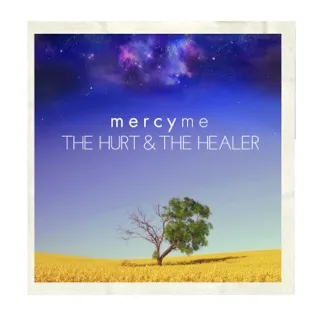
MercyMe - To Whom It May Concern Lyrics

Album: The Hurt & The Healer (Deluxe Edition)
Released: 22 May 2012
iTunes Amazon Music

Lyrics

To whom it may concern when will we learn
We are all the same
Do you really think that you’re the first
To fall along the way

It may sound crazy but what if
You don’t try to run
Rather than kick our wounded
We could just lift you up

Oh oh oh
We’re not throwing stones
Hey hey hey
You are not your shame
Oh oh oh
You can’t go alone
Hey hey hey
We won’t go away

I can see it’s written on your face
It reads with every line
Wishing you could somehow just erase
Or even turn back time

Don’t let yourself buy into the lie
That you are too far gone
So let us remind you that you’re
Not what you have done

Oh oh oh
We’re not throwing stones
Hey hey hey
You are not your shame
Oh oh oh
You can’t go alone
Hey hey hey
We won’t go away

We’re not throwing stones
Hey hey hey
You are not your shame
Oh oh oh
You can’t go alone
Hey hey hey
We won’t go away

We won’t go away
We won’t go away

Breathe deep and believe that wherever you go
It don’t matter how high, don’t matter how low
It comes down to being found and
Who you know, you know, yeah


Video

MercyMe - To Whom It May Concern (Pseudo Video)

Thumbnail for To Whom It May Concern video

Meaning & Inspiration

MercyMe’s "To Whom It May Concern," released on May 22, 2012, as part of *The Hurt & The Healer (Deluxe Edition)* album, is a profound anthem of grace, empathy, and unwavering community support within the Christian journey. The song immediately addresses the universal human condition, speaking directly to anyone wrestling with personal failures, shame, or the crushing weight of past decisions. It cuts through the common isolating lie that one's struggles are unique or unprecedented, instead declaring a shared humanity in vulnerability. The opening lines, acknowledging that "we are all the same" and that no one is "the first to fall along the way," resonate deeply with the biblical truth that "all have sinned and fall short of the glory of God" (Romans 3:23). This establishes a foundational understanding: we are not alone in our brokenness, laying the groundwork for collective compassion rather than individual condemnation.

The song then powerfully pivots from acknowledging shared struggle to advocating for a radically different response. Rather than perpetuating a cycle of judgment, it challenges us to "Rather than kick our wounded, We could just lift you up." This compassionate call aligns perfectly with Scripture's directive for believers to "bear one another's burdens, and so fulfill the law of Christ" (Galatians 6:2). It paints a picture of the church as a hospital, not a museum, a place where the broken are not shamed but supported. The implication is clear: true fellowship involves actively pursuing healing and restoration for those who stumble, mirroring the sacrificial love Christ showed us.

A central, liberating message within the song is the emphatic rejection of shame. The repeated declaration, "We’re not throwing stones" and "You are not your shame," directly evokes the New Testament narrative of Jesus defending the woman caught in adultery, famously stating, "Let any one of you who is without sin be the first to throw a stone at her" (John 8:7). This powerful imagery dismantles the isolating power of guilt, reminding listeners that their identity is not defined by their transgressions or the accusations of others. It echoes the promise of Romans 8:1, "There is therefore now no condemnation for those who are in Christ Jesus," offering freedom from the crushing burden of past mistakes.

Furthermore, the song delves into the deceptive nature of believing one is "too far gone" or wishing to "somehow just erase or even turn back time." This speaks to the relentless self-condemnation that can plague a person after significant missteps. MercyMe powerfully counters this by reminding that "you’re Not what you have done." This distinction is critical to understanding redemption and grace. Our actions, while consequential, do not define our ultimate worth or our potential for restoration in God's eyes. As 2 Corinthians 5:17 proclaims, "Therefore, if anyone is in Christ, the new creation has come: The old has gone, the new is here!" This truth offers profound liberation, separating a person's identity from their past failures and anchoring it in God's redemptive work.

The steadfast commitment of the community is another bedrock of the song’s message, articulated in the reassuring promise, "You can’t go alone" and "We won’t go away." This underscores the essential role of the body of Christ in walking alongside individuals through their darkest valleys. It reflects the biblical encouragement to "not give up meeting together...but encouraging one another" (Hebrews 10:25) and to be present for each other in good times and bad. This unwavering presence is a tangible demonstration of God’s enduring love and faithfulness, a reminder that spiritual journeys are meant to be shared, offering strength and solidarity when personal reserves are depleted.

Ultimately, "To Whom It May Concern" culminates in a resounding affirmation of hope and faith, urging the individual to "Breathe deep and believe that wherever you go, It don’t matter how high, don’t matter how low." The resolution that "It comes down to being found and Who you know" is a clear and direct pointer to a saving relationship with Jesus Christ. This final message encapsulates the Christian understanding that true peace, security, and identity are not found in perfect behavior or self-effort, but in the grace of God and the transformative relationship with the One who declared, "I am the way and the truth and the life. No one comes to the Father except through me" (John 14:6). The song, therefore, stands as a powerful testament to God’s boundless grace, the healing power of community, and the profound liberation found in knowing Christ.

Loading...
In Queue
View Lyrics