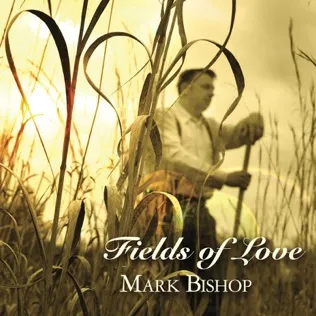
Mark Bishop - The Prayer Lyrics

Album: Fields of Love
Released: 17 Jun 2008
iTunes Amazon Music

Lyrics

"Hard and bitter words...
Words that hide the sunshine like a cold and cloudy day.
Words that pierce the soul and make a heart lose all hope.
It's easy to lose your way, when you don't have love or faith to guide you.
A broken spirit will find no virtue in mercy.
It makes it hard to forgive others... and harder still to forgive ourselves."


All the days of your life... have gone humming along.
Then one day without warning... things go terribly wrong.
Maybe heart-ache will find you. Maybe sickness will come.
Maybe the bankers foreclose... on the old family farm.

Take the boy with no mother... a fever burns in his chest.
With his dad by the bedside... he's all this father has left.
And he thinks about praying... for the faith that he lacks
and for words spoke in anger... he wishes he could take back.

Lord... I know you and I... we haven't been on speaking terms.
That's my fault I reckon.
I've tried to believe but... things haven't gone my way for a long, long time.

It's been so long... and Lord, I miss her so much.
Some days... I can't think of anything else.

And we're losing this farm Lord. It's been in my family for years.
God... if you can hear me... I'm at the end of my rope.

I don't know where to turn... I just...

Please God... don't take my son... he's all I've got.
Please God... please... God forgive me...

Forgive my unbelief... forgive my angry words... forgive me.

Video

The Prayer

Thumbnail for The Prayer video

Meaning & Inspiration

Mark Bishop's "The Prayer," released on June 17, 2008, as part of his album *Fields of Love*, unfolds as a profoundly moving narrative, painting a vivid picture of human vulnerability and the desperate plea for divine intervention. This powerful track delves deep into the struggles of life, exploring the destructive nature of unchecked anger and bitterness, the sudden onset of trials that shatter ordinary existence, and the ultimate, raw cry to God when all other avenues seem closed. It is a story not just sung, but experienced, tracing the journey from hardened hearts and lost faith to a humble, broken supplication.

The song’s lyrical journey begins by confronting the destructive power of words and internal strife, lamenting how "hard and bitter words" can obscure life's light and "pierce the soul," leading to despair. This resonates deeply with scriptural warnings about the tongue, as James 3:5-6 reminds us that the tongue, though a small part, can set ablaze the course of our lives, and Proverbs 18:21 declares that death and life are in its power. Bishop then speaks to the difficulty of navigating life without "love or faith to guide," highlighting the spiritual void that can lead one astray. Such a state often culminates in a "broken spirit" that struggles to embrace mercy, making forgiveness of others—and even more challenging, of oneself—a daunting task. This echoes Psalm 34:18, which promises that the Lord is near to the brokenhearted, and Luke 17:3-4, which calls believers to forgive repeatedly, a testament to the profound challenge of extending grace when one is wounded.

The narrative shifts to the abrupt and unforgiving nature of life's calamities. One moment, "all the days of your life... have gone humming along," and the next, "without warning... things go terribly wrong." This universal experience of sudden affliction—whether "heart-ache," "sickness," or the threat of financial ruin like "bankers foreclose... on the old family farm"—strikes at the core of human security and peace. It's a stark reminder of the fragile nature of our earthly anchors, much like Job's sudden loss of family and fortune, detailed in the first chapter of Job, or the unexpected call to accountability in Luke 12:20. In this crucible of suffering, we are introduced to a father, already grieving the loss of his wife ("It's been so long... and Lord, I miss her so much"), now watching his only son battle a fever, while simultaneously facing the loss of his ancestral farm. This cumulative weight of grief and impending ruin pushes him to the brink.

In his darkest hour, the father contemplates prayer, acknowledging "the faith that he lacks" and regretting "words spoke in anger... he wishes he could take back." This moment of profound honesty is the turning point, a recognition of personal failings and spiritual distance. His prayer is not one of polished piety but of raw, desperate admission: "Lord... I know you and I... we haven't been on speaking terms. That's my fault I reckon." This humble confession, devoid of pretense, perfectly embodies the spirit of Psalm 51:17, "The sacrifices of God are a broken spirit; a broken and contrite heart, O God, you will not despise." He lays bare his heart, his long-held grief for his departed wife, his anguish over the farm, and finally, his ultimate, gut-wrenching plea: "Please God... don't take my son... he's all I've got." This cry is punctuated by a plea for personal forgiveness: "Please God... please... God forgive me... Forgive my unbelief... forgive my angry words... forgive me." This deep yearning for mercy, despite self-perceived unworthiness, echoes the tax collector’s prayer in Luke 18:13, "God, be merciful to me, a sinner!" and resonates with Mark 9:24, where a father cries out, "I do believe; help my unbelief!" Bishop's narrative illustrates that God is indeed near to those who genuinely call out to Him in their distress, as promised in Psalm 34:17.

"The Prayer" stands as an inspiring testament to the power of authentic faith, even when that faith is faltering. It champions the truth that God welcomes us in our most broken, desperate states, not demanding perfection but a genuine turning of the heart. The song encourages believers to approach God with absolute candor, to voice their pain, their doubts, and their regrets, confident that His grace extends even to "unbelief" and "angry words." It reminds us that prayer is not merely a formality but a lifeline, a profound act of trust that, in the face of overwhelming adversity, allows us to lay our burdens at the feet of a compassionate Father. Mark Bishop's composition serves as a spiritual beacon, guiding those navigating their own fields of love and loss towards the ultimate source of hope and forgiveness. It’s a powerful invitation to remember that no matter how far we feel we've strayed, or how deep our despair, the path back to grace is always open through a humble and honest prayer.

Loading...
In Queue
View Lyrics