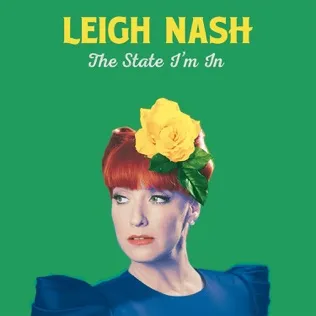
Leigh Nash - Spider And The Moth Lyrics

Album: The State I'm In
Released: 18 Sep 2015
iTunes Amazon Music

Lyrics

Hands off the wheel
Eyes on the road
I made some wrong turns
Now there's no hand to hold
Now I'm reckless and bored
You've got trouble at your door
So tonight could we be what we were once before

Promises drip from my lips
I'm digging my own grave
I should be leaving
But my heart, my heart
Breaks right away
I never know what I want
Until it's much too late

I am sorry, so sorry I came
Like a spider to a moth
I just can't turn it off like a light

The sun's coming up
And I'm just laying down
I spent the whole night
On the wrong side of town
And later when I wake up
In my own bed
I'll pay the full price for the things that I said

Promises drip from my lips
I'm digging my own grave
I should be leaving
But my heart breaks right away
I never know what I want
Till it's much too late
I am sorry, so sorry that I came
Like a spider to a moth
I just can't turn it off like a light

I just couldn't leave you alone
Until every drop was spilled
Am I wired wrong?
Is that what you love?
Is this what you want?

Cause my heart, my heart
Just breaks right away
I never know what I want
Till it's much too late
I'm sorry, so sorry I came
Like a spider to a moth
I just can't turn it off like a light
Like a spider to a moth
I just can't turn it off like a light

Video

Spider and the Moth

Thumbnail for Spider And The Moth video

Meaning & Inspiration

Leigh Nash's "Spider and the Moth," featured on her 2015 album *The State I'm In*, offers a profound exploration of self-sabotage and the inescapable pull of destructive desires, resonating deeply with themes of human frailty and spiritual struggle. The song opens with a stark admission of past missteps, a sense of being lost and without guidance – "Hands off the wheel / Eyes on the road / I made some wrong turns / Now there's no hand to hold." This imagery immediately evokes the biblical narrative of individuals straying from the righteous path, often due to pride or misguided ambition. The feeling of being "reckless and bored" and facing "trouble at your door" speaks to the consequences of such deviations, a stark contrast to the peace found in walking with the Lord. Nash's plea, "So tonight could we be what we were once before," is a yearning for restoration, a desire to recapture a lost state of grace, mirroring David's prayer in Psalm 51:12, "Restore to me the joy of your salvation, and uphold me with a willing spirit." The repeated refrain about promises "drip[ping] from my lips" and "digging my own grave" is a powerful depiction of the self-destructive cycle that can ensnare us, a cycle often fueled by a lack of self-awareness and an inability to break free from ingrained habits. This resonates with the wisdom found in Proverbs 14:12, which states, "There is a way that seems right to a man, but its end is the way to death," highlighting the deceptive nature of paths that lead away from truth. The central metaphor of the song, "Like a spider to a moth / I just can't turn it off like a light," is particularly potent. It captures an irresistible, almost predatory attraction to that which ultimately leads to ruin. This can be seen as a spiritual battle, where temptation, like the spider's web, draws us in, and our own desires, like the moth to a flame, make us vulnerable. The inability to "turn it off like a light" speaks to the deep-seated nature of sin and addiction, a struggle that requires more than mere willpower to overcome. It calls to mind the Apostle Paul's confession in Romans 7:15, "For I do not do the good I want, but the evil I do not want is what I keep on doing." The poignant admission, "I never know what I want / Until it's much too late," underscores the tragic consequence of spiritual blindness and the regret that follows when opportunities for change are missed. This echoes the urgency found in Ecclesiastes 9:10, which advises, "Whatever your hand finds to do, do it with all your might, for in the realm of the dead, where you are going, there is neither working nor planning nor knowledge nor wisdom." The song's raw honesty extends to the painful realization of causing hurt and the resulting burden of accountability, as seen in the lines about waking up and paying "the full price for the things that I said." This reflects the biblical principle of sowing and reaping, where our actions have consequences, both for ourselves and for others. The repeated question, "Am I wired wrong? / Is that what you love? / Is this what you want?" suggests a grappling with identity and a searching for external validation, even within destructive patterns. However, the true solace and ultimate answer to such existential questions lie not in external approval but in the unfailing love and transforming power of God, as promised in Jeremiah 29:11, "For I know the plans I have for you,” declares the Lord, “plans to prosper you and not to harm you, plans to give you hope and a future." "Spider and the Moth" serves as a powerful reminder of the human condition's susceptibility to sin and self-destruction, but also as a beacon of hope for redemption and transformation through surrender to a higher power.

Loading...
In Queue
View Lyrics