
Lauryn Hill - Nothing Even Matters Lyrics
Lyrics
Now the skies could fall
Not even if my boss should call
The world it seems so very small
'Cause nothing even matters, at all
See nothing even matters
See nothing even matters at all
Nothing even matters
Nothing even matters at all
See, I don't need no alcohol
Your love makes me feel ten feet tall
Without it, I'd go through withdrawal
'Cause nothing even matters at all
Nothing even matters
Nothing even matters at all
Nothing even matters
Nothing even matters at all
These buildings could drift out to sea
Some natural catastrophe
Still there's no place I'd rather be
'Cause nothing even matters to me
See nothing even matters
See nothing even matters to me
Nothing even matters
Nothing even matters to me
You're part of my identity
I sometimes have the tendency
To look at you religiously, baby
'Cause nothing even matters to me
Nothing even matters
Nothing even matters to me
Said I don't, my baby, baby
Now you won't find me at no store
I have no time for manicures
With you it's never either or
'Cause nothing even matters no more
See nothing, it don't matters
See nothing even matters no more
Nothing even matters
Nothing even matters no more
Now my team could score
And make it to the final four
Just repossess my 4 x 4
'Cause nothing even matters no more
Nothing even matters
Nothing even matters no more
Nothing even matters, oh oh oh
To me, to me, to me, to me, to me
To me, to me, to me, to me, to me
Nothing even matters
Nothing even matters no more
Nothing even matters
Nothing even matters
Nothing but you
Nothing but you
Nothing but you
Video
Nothing Even Matters
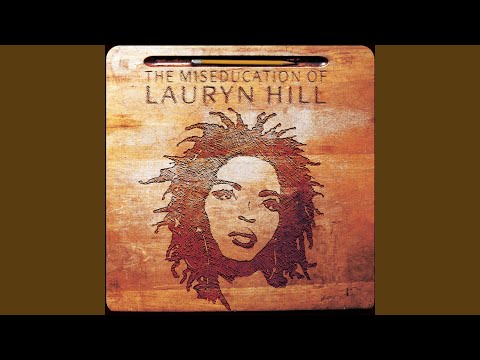
Meaning & Inspiration
I’ve spent a lot of evenings sitting in this old armchair, the kind with the stuffing coming out of the armrest, listening to the quiet of a house that used to be full. When I put on Lauryn Hill’s record, I’m not looking for a sermon. I’m looking for a mirror.
She sings, "You’re part of my identity / I sometimes have the tendency / To look at you religiously."
Those lines catch in my throat. I’ve lived long enough to watch people—myself included—try to anchor their entire existence to someone else’s orbit. We turn a person into a sanctuary, a provider of peace, a god in human skin. It’s a young thing to do, but it’s a human thing to do, and it stays with us until our bones get brittle.
The Apostle John warned us, "Little children, keep yourselves from idols." We usually think that means gold statues or bowing down to things made of stone. But usually, an idol is just a person we’ve decided we can’t breathe without. When Lauryn sings about how nothing else matters—not the job, not the status, not the catastrophes, not the material things—it sounds like the first stage of surrender. The problem is, she’s surrendering to a person, not the One who made her.
There’s a tension there that I know well. When you’re young, you mistake the intensity of a human connection for the presence of God. You think, "If this love feels this all-consuming, surely it must be holy." I remember feeling that way once. I remember thinking that if my partner was happy, my soul was settled. But people are frail. They drift, they age, they disappoint, and they pass away. If your identity is tied to them, what happens when the lights go out?
"Nothing but you," she repeats at the end. It’s a desperate plea. I hear it and I want to tell her—I want to tell my younger self—that the "you" has to be bigger than flesh and blood. Paul wrote to the Colossians that Christ is "all and in all." That is a hard lesson to learn, and usually, you only learn it after the buildings you built have drifted out to sea, just like she describes.
I don’t know if Lauryn meant this to be a hymn. Probably not. But there is something honest about the way she strips everything else away. When the "4x4" is repossessed and the manicures don’t matter, you’re left standing in the wreckage of your own making. That’s the place where we finally have to decide: is this devotion enough to save me?
It’s never enough. But the hunger for that kind of singular focus? That’s not wrong. It’s just pointed in the wrong direction. I listen to her voice, so full of that fierce, youthful clarity, and I realize I’m still learning how to say "nothing but You" to the only One who can handle the weight of it. My hands are too shaky now to hold onto anything else, anyway.