Lauren Daigle - Wordless Lyrics
Lyrics
There isn't any fear here
There isn't any fear in love
When You come, when You come
There isn't any hurt here
That You don't overwhelm
When You come, when You come, oh
I am speechless, but I can't keep quite
And I am wordless, but I can't stay silent
Oohooh, oohooh
There isn't any rush here
So I'm just gonna wait on You
And linger longer oh
'Cuz everytime I find You
I'm a little more undone
When You come, when You come
I am speechless, but I can't keep quite
And I am wordless, but I can't stay silent
Oohooh, I'm lost for words to say
Oohooh, You take my breath away
Oh You move me, and I can't defy it
You consume me, and I can't describe
I am speechless, but I can't keep quite
And I am wordless, but I can't stay silent, silent, woah
Woah, I'm lost for words to say
Woah, You take my breath away
There isn't any fear here
There isn't any fear in love
Video
Lauren Daigle - Wordless (Audio)
Meaning & Inspiration
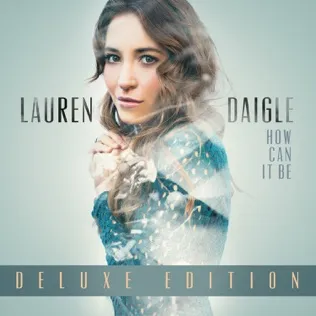
Lauren Daigle’s "Come Alive (Dry Bones)" and similar tracks from her How Can It Be era shifted the needle in modern worship music, pulling away from the tight, predictable loops of arena-pop and moving toward something that feels a bit more like a late-night radio broadcast. She uses a vocal texture that pulls heavily from the grit of Black Gospel—the raspy, pushed edges of a voice that’s seen the inside of a church backroom—but wraps it in the clean, radio-ready architecture of Contemporary Christian Music (CCM). It’s a calculated bridge. She’s borrowing the vernacular of soulful improvisation to signal "authenticity" to an audience that’s increasingly allergic to anything that sounds too programmed.
Take the lyric: "I am speechless, but I can't keep quiet / And I am wordless, but I can't stay silent."
There’s a paradox there that fascinates me. In a space defined by lyrics—where we obsess over the exact right words for a liturgy or a setlist—Daigle is leaning into the idea of being rendered "speechless." It’s a clever nod to the ecstatic tradition. In many Pentecostal circles, this is the realm of glossolalia or the "groans that words cannot express" mentioned in Romans 8:26. Yet, here, she’s taking that raw, unformed experience and formatting it into a catchy, repeating refrain.
Does the message get lost in the vibe? Maybe. When you turn a moment of being "undone" into a polished bridge with "Oohooh" ad-libs, you’re sanitizing the messy reality of what it actually means to be overwhelmed by God. It’s the difference between standing in a quiet room and having a panic attack, versus watching a cinematic version of it happen on screen. The song provides the mood, but the listener has to do the heavy lifting to actually find the fearlessness she’s singing about.
Still, the line "Everytime I find You, I’m a little more undone" hooks into a very real struggle. It echoes the psalmist's sense of being overwhelmed by the presence of a God who is both near and terrifyingly vast. We spend so much energy in worship trying to get it right—the right posture, the right lyrics, the right tempo—that we forget being "undone" is actually the goal. It’s the point where you stop performing the religion and start experiencing the Presence.
When I listen to this, I catch myself wondering if we’ve become so good at creating the "vibe" of surrender that we’ve forgotten how to actually be still. Daigle is singing about waiting and lingering, but the track itself is driving toward a hook. There’s a tension between the invitation to "linger longer" and the structural requirements of a hit song that needs to keep the listener engaged. Perhaps that’s the most honest part of the record: we want the stillness, but we’re so conditioned by our fast-paced lives that we can only handle it in three-minute doses. We’re always ready to move on to the next track, even while we’re singing about standing still.