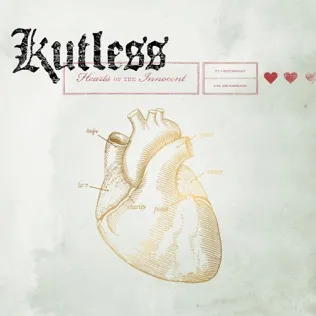
Kutless - Hearts Of The Innocent Lyrics

Album: Hearts of the Innocent
Released: 01 Jan 2006
iTunes Amazon Music

Lyrics

I'm looking down into the eyes of hopelessness
They're crying out to me
I see the pain
It's so much more than youth should know
It tears me apart
What can I do to change what I see
This vicious cycle must come to an end

Chorus
Can't you see
We're crushing the hearts of the innocent
We're teaching them to fail
And how it breaks me to see how we're living
And punishing the ones that need us to care
To see them hurting
Feels like knuckles to the back of my head

Where have the days gone
That a promise was forever
Families stuck together
We wonder why their generation struggles to get by
There's no one to help
What can I do to change what I see
This vicious cycle must come to an end

Video

Hearts Of The Innocent

Thumbnail for Hearts Of The Innocent video

Meaning & Inspiration

Kutless's 2006 release, "Hearts of the Innocent," from the album of the same name, stands as a poignant anthem of societal responsibility and profound empathy. This song delves into the stark reality of overlooked suffering, particularly within vulnerable populations, and challenges listeners to confront their complicity in perpetuating cycles of pain. The narrative opens with a powerful visual of observing hopelessness, a suffering that is described as too profound for youth to bear, tearing at the observer's very core and igniting a desperate plea for change. This immediate imagery sets the stage for the song's central thesis: the active, albeit often unconscious, role society plays in diminishing the spirit and potential of the innocent. The chorus acts as a direct indictment, accusing "we" of crushing innocent hearts and teaching failure, a sentiment that breaks the singer’s spirit. It highlights the painful paradox of punishing those who most need care and compassion, likening the pain of witnessing this to a physical blow.

The song further laments a perceived loss of foundational values, referencing a time when promises held more weight and families were more cohesive, suggesting these societal shifts contribute to the struggles of current generations. The lack of support systems is starkly pointed out, fueling the recurring question of what can be done to alter this distressing reality and bring an end to the destructive pattern. The message resonates deeply with biblical principles of caring for the vulnerable and upholding justice. The repeated observation of pain and suffering in the eyes of the innocent directly mirrors God's own compassion for those afflicted, as seen in scriptures like Psalm 34:18, which states, "The Lord is near to the brokenhearted and saves the crushed in spirit." The song's critique of societal failings also echoes the prophetic calls for justice and righteousness found throughout the Old Testament. For instance, Isaiah 1:17 commands, "Learn to do right; seek justice, defend the oppressed, take up the cause of the fatherless, plead the case of the widow." The "vicious cycle" described can be understood as a manifestation of the consequences of forsaking these divine mandates, leading to generational hardship.

Moreover, the core idea of "crushing the hearts of the innocent" and "teaching them to fail" carries profound theological weight, aligning with Jesus's strong rebukes against those who caused little ones to stumble. In Matthew 18:6, Jesus warns, "If anyone causes one of these little ones—those who believe in me—to stumble, it would be better for them to have a large millstone hung around their neck and to be drowned in the depths of the sea." The song’s urgent call to action, to break this cycle, is a plea for active discipleship, urging individuals to embody Christ's love and justice in their interactions with the world. It’s a call to recognize the inherent value and dignity of every person, especially those who are defenseless and easily exploited, reflecting the biblical mandate to love our neighbor as ourselves (Mark 12:31). The emotional weight of the song serves as a powerful catalyst for reflection, encouraging a deeper examination of personal and collective actions, and inspiring a more engaged and compassionate response to the suffering around us.

Loading...
In Queue
View Lyrics