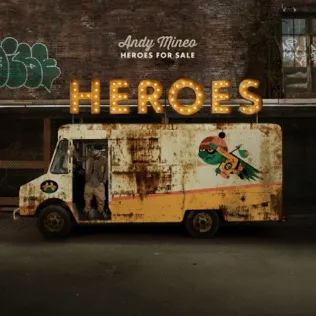
KB - The Saints Lyrics
Lyrics
Andy Mineo
I don't know but I've been told when the saints come marching in we roll
So deep that they can't believe we sold out seats and them cd's
Please don't sleep on the beat I.....beat up these
Still don't get it would you keep up please
We ain't no heroes for sale, if you bought one better keep your recipt
Ok I get it I know what they thinking
We some kumbya singing corny christians keep your disses
By a ticket to a concert pay a visit think it's odd
We dem blues brothers 116 on a mission from God
I don't think they get it I really think what they gotta do is see it to believe it I wasn't planning on leaving them
Gimmie the microphone with no gimmicks I'm really living it so when they come in and don't you know to get up on the evidence
You ever wanna get it well tell 'em to come and get it
I point 'em to a God and we tell 'em we really wit Him
They thinkin' that I'm trippin cause I'm livin' for more than just rappin' but that's what happens when
KB
Oh no, here they go go
Them boys sold out no promo
Tell me give em 2 years it'll go cold
But them boys got 8 like O-JO
Imma keep it 300
Industry probably wanna see us so
But we in the in week in the weak livin we give it our God don't do any wrong
The aroma is that our God saves
Married to the Rock and I'm faithful
To take these words Beyonce
Don't it feel like we famous
When the world will know what are name is
But heaven knows us baby and that book of life is that a list
I'm so rich and I ain't talkin bout cheddar
But I bank on Christ go and talk to the teller
Cut the checks that I get I'll be cashing forever
Laugh at the saints that ain't a thing go
They be lacking to pay that thinking straight
Man we ain't lacking a thing rack in the faith
Paid by the blood of the Lamb that is paid
Debt is paid
Trip Lee
Now I don't know what you've been told about us bout us
But we gon' love em even though they doubt us doubt us
We just visiting like we some out of towners
Got em asking us how does this God turn ya'll into shouters
We don't really think we better, call us perfect no never
But we glad to be call saints cause God called us that in the meadows
Set apart for the Savior, He's led our heart to the Maker
Forget the art that we making if we never love our neighbors
You might catch us whilsting, marked to the spot straight glistening
Shining cause we filled with Him, you might wanna listen in
Messiah came down the He reigned and He rose
Here yeah they go with this again
That's what makes us love our neighbors
We not just omitting sin
Video
Andy Mineo - The Saints
Meaning & Inspiration
"Paid by the blood of the Lamb that is paid. Debt is paid."
KB drops these lines in the middle of a track that spends most of its time sparring with industry critics and challenging the "corny Christian" label. It’s easy for listeners to gloss over that bar as just another bit of rhythmic flair, but doctrinally, it’s the only thing keeping the house from collapsing.
When KB talks about his "bank," the imagery shifts from the material to the metaphysical. He’s referencing the reality of propitiation—the turning away of wrath. In the culture of hip-hop, where artists often flex their net worth or their "grind," this lyric pivots entirely away from the self-made man. He isn’t claiming a dividend earned through his lyrical output or his sales; he’s claiming a settlement negotiated in the courts of heaven. If you look at the economics of the Cross, the "payment" isn’t just a metaphor for forgiveness. It is the objective satisfaction of a legal debt that the artist—and the listener—could never settle.
It’s a gritty, grounded way to view the atonement. Too often, we treat the Cross like a vague, sentimental gesture, something soft that floats above our daily lives. KB’s delivery suggests otherwise: it’s transactional, it’s finalized, and it’s something you can "bank on."
Then there’s that line from Trip Lee: "We not just omitting sin."
That hits a nerve. In many circles, Christian identity is treated like a subtraction problem. We remove the vices, we clean up the vocabulary, we avoid the "world," and we call that sanctification. But Trip Lee points toward something far more demanding: being "set apart for the Savior."
The Imago Dei isn't just about what we don't do; it’s about what we are now compelled to reflect. If you remove sin from a human life but don't fill that void with the active, aggressive love of God, you haven't produced a saint; you've only produced a well-behaved pagan. The "meadows" he mentions might sound poetic, but they point to the reality of the shepherd’s leading—the sovereign direction of the heart toward the Maker.
It leaves me with this friction: we spend so much energy defending our reputation, just like the lyrics do—worrying if we look "corny" or if the "industry" sees us as legit. But the debt is already paid. The receipt is in the hand of the Judge. If the debt is settled, why do we still act like we’re fighting for status?
Maybe the true test of this faith isn't how well we can hold our own in a rap battle or how "cool" we can make the Gospel seem. It’s whether we can live like people whose debts are cleared, acting not as heroes for sale, but as those who have been bought—and are therefore finally, truly free.