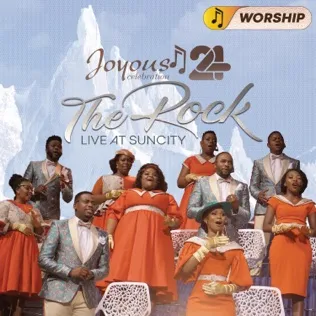
Joyous Celebration - Sibabaza Wena Lyrics
Lyrics
Ekuqaleni wayekhona uLizwi
EnoNkulunkulu, futhi ekuye
Konke kwavela ngaye
kuphila kukuye Kwakh’ ukukhanya, ‘kukhanya kwabantu
Ekuqaleni wayekhona uLizwi
EnoNkulunkulu, futhi ekuye
Konke kwavela ngaye
kuphila kukuye Kwakh’ ukukhanya, ‘kukhanya kwabantu
Ekuqaleni wayekhona uLizwi
EnoNkulunkulu, futhi ekuye
Konke kwavela ngaye
kuphila kukuye Kwakh’ ukukhanya, ‘kukhanya kwabantu
Ekuqaleni wayekhona uLizwi
EnoNkulunkulu, futhi ekuye
Konke kwavela ngaye
kuphila kukuye Kwakh’ ukukhanya, ‘kukhanya kwabantu
[CHORUS]
Moya! Moya!
Sigcwalise, ngenkazimulo yakho
Moya! Moya!
Sonke sibabaza wena
Moya! Moya!
Sigcwalise, ngenkazimulo yakho
Moya! Moya!
Sonke sibabaza wena
Wakha phakathi kwethu
Egcwel’ umoya we-qiniso, ‘qiniso!
Sobon’ inkazimulo
Njengeyozelweyo, kuYise, kuYise!
Wakha phakathi kwethu
Egcwel’ umoya we-qiniso, ‘qiniso!
Sobon’ inkazimulo
Njengeyozelweyo, kuYise, kuYise
[CHORUS]
Moya! Moya!
Sigcwalise, ngenkazimulo yakho
Moya! Moya!
Sonke sibabaza wena
Moya! Moya!
Sigcwalise, ngenkazimulo yakho
Moya! Moya!
Sonke sibabaza wena
Video
Joyous Celebration - Sibabaza Wena (Live At Sun City, 2020)
Meaning & Inspiration
Released on April 3rd, 2020, as part of the powerful album *Joyous Celebration 24 - The Rock: Live at Sun City*, "Sibabaza Wena" is a profound declaration of faith, immediately drawing listeners into a deep theological reflection. The song, whose title translates to "We Praise You," is an invocation and a declaration centered on the person of Jesus Christ and the Holy Spirit, forming a rich tapestry of worship that stems directly from foundational Christian scripture.
The song’s profound meaning unfolds from its opening lines, which are a direct, reverent echo of John 1:1-4. The lyrics declare, "Ekuqaleni wayekhona uLizwi, EnoNkulunkulu, futhi ekuye, Konke kwavela ngaye, kuphila kukuye Kwakh’ ukukhanya, ‘kukhanya kwabantu," which translates to "In the beginning was the Word, and the Word was with God, and the Word was God. All things were made through Him, and without Him nothing was made that was made. In Him was life, and the life was the light of men." This immediate immersion into the eternal nature of Christ sets a formidable spiritual stage, reminding us that Jesus, the Word, is not merely a historical figure but the co-eternal God, the architect of creation, and the very source of all life and light. It establishes His absolute supremacy and His indispensable role in the existence and spiritual understanding of humanity. This foundational truth anchors the entire worship experience, asserting the divine origin and power to which all praise is due.
Building upon this magnificent truth, the chorus shifts focus to the Holy Spirit, an essential person of the Godhead often referred to simply as "Moya" in isiXhosa. The repeated plea, "Moya! Moya! Sigcwalise, ngenkazimulo yakho," meaning "Spirit! Spirit! Fill us with your glory," is a heartfelt prayer for divine indwelling and manifestation. It reflects the biblical promise and command to be filled with the Spirit (Ephesians 5:18), understanding that it is through the Spirit that God's presence becomes tangible and transformative in the lives of believers. This filling is not just for personal comfort but for the revelation of God's glory, echoing Paul's words in 2 Corinthians 3:18, where beholding the glory of the Lord by the Spirit transforms us into His image. The collective declaration, "Sonke sibabaza wena" (We all praise You), then becomes a unified response to the Spirit’s presence, acknowledging Him as worthy of adoration alongside the Father and the Son.
The subsequent verse returns to the incarnation of Christ, reinforcing the connection between the Word and His dwelling among humanity: "Wakha phakathi kwethu, Egcwel’ umoya we-qiniso, ‘qiniso! Sobon’ inkazimulo, Njengeyozelweyo, kuYise, kuYise!" This translates to "He dwelt among us, full of the spirit of truth, truth! We shall see the glory, as of the only begotten, from the Father, from the Father!" This passage beautifully intertwines with John 1:14, "And the Word became flesh and dwelt among us, and we beheld His glory, the glory as of the only begotten of the Father, full of grace and truth." It emphasizes that when Jesus walked the earth, He was the embodiment of truth, perfectly revealing the Father’s character and glory. The phrase "spirit of truth" here points both to Christ's intrinsic nature and to the Holy Spirit, whom Jesus promised would come as the "Spirit of truth" (John 14:17, 15:26, 16:13) to guide believers into all truth. This profound connection means that in Christ, we not only saw God's glory but continue to experience it through the Holy Spirit who carries on Christ’s work of revealing truth and God’s glory.
"Sibabaza Wena" is therefore far more than just a worship song; it is a theological treatise set to music, a vibrant exposition of the Trinity that invites participants into a deeper understanding and experience of God. It starts with Christ’s eternal divinity, moves through the empowering presence of the Holy Spirit, and solidifies with the revelation of Christ’s incarnate truth and glory. The song’s message is a call to continuous, Spirit-led praise, recognizing the full scope of God’s redemptive work from creation to the indwelling presence that enables us to truly "praise You." For anyone seeking to deepen their faith through musical worship that is rich in biblical truth and profound in its expression, "Sibabaza Wena" stands as a powerful testament to the God who is worthy of all praise.