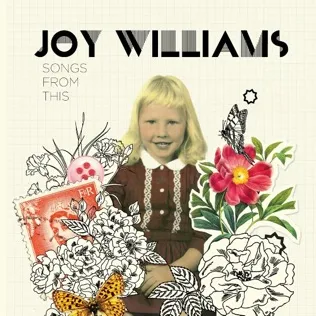
Joy Williams - I Hate It When We Fight Lyrics
Lyrics
Those flowers that you bought,
Well they should have been for me
It's getting easier to disappoint you.
We talk a little less
I start an argument
We know its coming but we just can't stop so
Fine, its you versus me tonight
We say stupid things and we draw the line
But we're both on the losing side
I hate it when we fight
We go and make amends
then we go and make a mess
It's like we like it when its complicated
I say what I shouldn't say
You can't hear me anyway
'Cause you're too busy trying to prove your point so
Fine, its you versus me tonight
We say stupid things and we draw the line
But we're both on the losing side,
I hate it when we fight
Well I wish the scales would lean more to love than to war
If no one surrenders then we'll never settle the score
So fine..
It's you versus me tonight
We say stupid things and we draw the line
But we're both on the losing side
I hate it when we fight
Video
Joy WIlliams - I Hate It When We Fight
Meaning & Inspiration
Joy Williams' 2009 EP, *Songs from This*, offers a poignant exploration of relational conflict with the track "I Hate It When We Fight." This song delves into the cyclical and self-destructive nature of arguments, revealing a deep-seated weariness with the discord. The narrative suggests a pattern where communication dwindles, and disagreements escalate, not out of genuine malice, but from a regrettable momentum that neither party can seem to halt. The core of the song’s message lies in the realization that in these conflicts, both individuals are ultimately defeated, regardless of who "wins" the argument. This resonates deeply with the biblical understanding of the consequences of unchecked anger and the importance of reconciliation. Proverbs 15:18 famously states, "A hot-tempered person stirs up strife, but the one who is slow to anger cales down contention." Williams’ lyrics paint a vivid picture of this very strife, where "stupid things" are said and lines are drawn, leading to a mutual sense of loss.
The song further touches on the unsettling paradox of making amends only to "make a mess" again, hinting at a pattern of complicating relationships as if a degree of turmoil is almost welcomed. This mirrors the struggles described in verses like Ephesians 4:26, which advises, "Be angry and do not sin; do not let the sun go down on your anger." The difficulty in breaking this cycle, where individuals are too engrossed in proving their point to truly hear one another, speaks to the pride that often fuels arguments. The wish for the "scales" to lean more towards love than war is a plea for a shift in perspective, a desire for the relationship to be characterized by grace rather than confrontation. The concluding sentiment, that if no one surrenders, the "score" will never be settled, underscores the futility of prolonged conflict and the necessity of humility in resolving differences. This echoes the wisdom found in Philippians 2:3: "Do nothing from selfish ambition or conceit, but in humility count others more significant than yourselves." Ultimately, "I Hate It When We Fight" serves as a raw and honest confession of the pain caused by conflict, a yearning for a more peaceful and loving connection, and a testament to the universal human experience of struggling to overcome our own contentious tendencies.