Josh Groban - Bring Him Home Lyrics
Lyrics
God on high
Hear my prayer
In my need
You have always been there
He is young
He's afraid
Let him rest
Heaven blessed.
Bring him home
Bring him home
Bring him home.
He's like the son I might have known
If God had granted me a son.
The summers die
One by one
How soon they fly
On and on
And I am old
And will be gone.
Bring him peace
Bring him joy
He is young
He is only a boy
You can take
You can give
Let him be
Let him live
If I die
Let me die
Let him live
Bring him home
Bring him home
Bring him home
Video
Josh Groban - Bring Him Home [Official Music Video]
Meaning & Inspiration
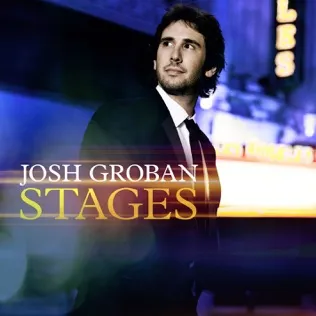
Josh Groban's powerful rendition of "Bring Him Home," released on his 2015 album *Stages (Deluxe Version)*, offers a profound exploration of faith, sacrifice, and the enduring human yearning for divine intervention. This song, originally from the musical *Les Misérables*, takes on a deeply spiritual dimension when interpreted through a lens of scriptural understanding. At its core, the narrative voice is that of an older individual grappling with mortality and expressing an earnest plea to God for the safety and well-being of a young, vulnerable soul. The prayer begins with an immediate acknowledgment of God's consistent presence in times of need, echoing the psalmist's affirmation in Psalm 46:1, "God is our refuge and strength, an ever-present help in trouble." The plea for the young person to be "rested" and "Heaven blessed" speaks to a desire for peace and divine covering, a prayer for divine protection reminiscent of Jesus' own words concerning the little children, "Let the little children come to me and do not hinder them, for to such belongs the kingdom of God" (Mark 10:14).
The poignant line, "He's like the son I might have known, if God had granted me a son," reveals a depth of paternal affection and perhaps a reflection on lost opportunities or a deep longing for familial connection. This sentiment can be understood in the context of how we, as believers, are called children of God, and the immense love a parent has for a child can mirror our Heavenly Father's love for us. The passing of time, marked by "summers die, one by one," underscores the singer's awareness of their own finiteness, a theme prevalent in Ecclesiastes, which repeatedly emphasizes the transience of earthly life. The prayer then shifts to an even more profound expression of selflessness: "If I die, let me die, let him live." This echoes the ultimate sacrifice of Christ, who laid down His life for humanity, as John the Baptist declared, "He must increase, but I must decrease" (John 3:30). The repeated, urgent call to "Bring him home" transcends the literal, suggesting a return to safety, to peace, and ultimately, to God's embrace. The song is a testament to the power of intercessory prayer, the universal human desire to protect the innocent, and the ultimate hope found in trusting God's sovereign will and boundless mercy. It encourages listeners to reflect on their own prayers for loved ones and to find strength in the knowledge that their pleas are heard by a loving Father who is always present.