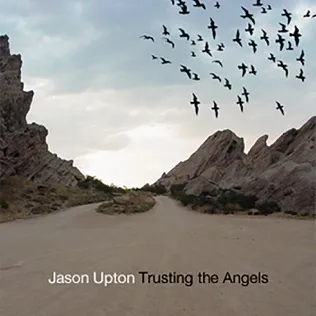
Jason Upton - Hannah (A Child is Born) Lyrics
Lyrics
For a child is born to us
Light of God upon her face
Filled with favor and with love
She's a miracle of grace
I see a mother with her child
I see a daddy standing tall
I see the joy that you have brought to us all
I know gramps will teach you Bible
We'll all teach you ice cream
Probably you'll be teaching us all that we've lost.
I know there's a reason there's rhyme
For every season there's a sign
I know there's a message God has just for us
Cause somehow as we grow
We lose what we were told
Simple seems the cost for getting old
Video
Hannah (A Child is Born)
Meaning & Inspiration
Jason Upton's "Hannah (A Child is Born)," released in 2004 on the album *Trusting the Angels*, is a profound meditation on the miracle of new life, deeply rooted in biblical themes and offering a stirring message of hope and redemptive grace. The song opens with the potent declaration that a child has been born, immediately evoking the image of Christ’s birth, yet it expands to encompass the universal wonder of any child entering the world. The "Light of God upon her face" and being "Filled with favor and with love" speaks directly to the blessings bestowed by God, reminiscent of Luke 2:52 where Jesus grew in wisdom and favor with God and man. The description of the child as a "miracle of grace" is the song's central thesis, echoing the New Testament understanding of God's unmerited favor, as seen in Ephesians 2:8: "For by grace you have been saved through faith. And this is not your own doing; it is the gift of God." Upton paints a tender scene of familial love and anticipation, with the mother and father present, and the joy that this new life brings. The mention of a grandfather teaching the Bible and the family teaching "ice cream" grounds the spiritual in the everyday, illustrating how faith is passed down through generations and woven into the fabric of daily life. This intergenerational transmission of faith is a cornerstone of scripture, evident in Deuteronomy 6:6-7 which urges parents to teach God's commandments diligently to their children and talk about them when they sit in their house, when they walk by the way, when they lie down, and when they rise. The poignant line, "Probably you'll be teaching us all that we've lost," is particularly striking. It suggests that children, with their inherent innocence and unadulterated perspective, can often remind adults of forgotten truths and spiritual simplicity. This resonates with Jesus’ own words in Matthew 18:3, where He states, "Truly, I say to you, unless you turn and become like children, you will never enter the kingdom of heaven." The song then delves into the wisdom of divine order and purpose, acknowledging that "there's a reason there's rhyme" and "For every season there's a sign." This reflects a trust in God's sovereign plan, as outlined in Ecclesiastes 3:1, "For everything there is a season, and a time for every matter under heaven." The understanding that "there's a message God has just for us" speaks to the personal and intimate nature of divine communication, suggesting that God speaks to each individual and generation. The song’s exploration of how "as we grow, we lose what we were told" and that "Simple seems the cost for getting old" is a profound lament for the often-unnoticed forfeiture of childlike faith and simple trust as life's complexities and pressures mount. It’s a call to remember the foundational truths we received, perhaps in our early days of believing, and to reclaim that sense of wonder and direct connection with God, recognizing that in losing this simplicity, we indeed pay a great "cost." Upton's composition skillfully weaves together the profound theological implications of a child's birth with the relatable human experience of family, growth, and the spiritual journey, creating a piece that is both an homage to the Nativity and a timeless reminder of our ongoing need to return to the simple, saving grace of God.