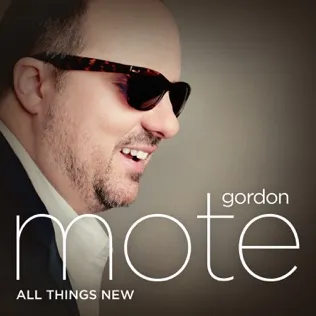
Gordon Mote - The Other Side Lyrics
Lyrics
On the other side the homeless have a mansion of their own
On the other side the widow no longer walk alone
On the other side the lame run down the streets of gold
On the other side
On the other side the blind man will open up his eyes
The first thing that he sees will be the face of Christ
Waiting there with open arms to welcome all His children home
On the other side
On the other side
There are no more goodbyes
Every heart will be unbroken
Every tear wiped from our eyes
Oh sorrow has no grip there
And death is left behind
On the other side
On the other side a mother who lost her child at birth
She'll hold that precious baby and let go of the hurt
Oh how she's waited for the day where she would see that little face
On the other side
There are no more goodbyes
Every heart will be unbroken
Every tear wiped from our eyes
Oh sorrow has no grip there
And death is left behind
On the other side
Oh no more hurting people
No more guilty shame
Forever we'll be changed
On the other side
There are no more goodbyes
Every heart will be unbroken
On the other side
There are no more goodbyes
Every heart will be unbroken
Every tear wiped from our eyes
Oh sorrow has no grip there
And death is left behind
On the other side
We'll sing a brand new song
Oh face to face with Jesus
At last we'll all be home
When grace is written 'cross the sky
And love is open heaven wide
On the other side
On the other side
On the other side
OHHHHHH
Video
The Other Side (feat. Kimberly Mote)
Meaning & Inspiration
Gordon Mote’s "The Other Side," released on August 27, 2013, as part of his album *All Things New*, offers a profound meditation on the Christian hope of eternity. The song doesn't just paint a picture of heaven; it meticulously addresses the specific sorrows and injustices of our present world, promising their ultimate resolution in the presence of God. It acts as a lyrical balm for the weary soul, translating abstract theological concepts into tangible, comforting images that resonate deeply with anyone grappling with life's trials. This is not merely a tune; it is a declaration of divine promise, articulated through the lens of human experience and longing.
The core meaning of "The Other Side" lies in its unwavering focus on the eschatological hope found in Christian doctrine—the belief that beyond this earthly life, there awaits a perfect reality free from suffering, sin, and separation. Mote masterfully contrasts the brokenness of our current existence with the perfect restoration offered in God’s presence. Each verse confronts a particular earthly struggle, transforming it into a beacon of celestial promise. From the very beginning, the song establishes this pattern, envisioning a future where "the homeless have a mansion of their own." This speaks to the ultimate provision and justice in God's kingdom, echoing the comforting words of Jesus in John 14:2-3, where He promises, "In my Father's house are many rooms... I am going there to prepare a place for you." It’s a powerful assurance that no one will be overlooked or left wanting in the eternal dwelling.
The lyrical journey continues, moving from material needs to emotional and physical suffering. The image of "the widow no longer walk[ing] alone" directly addresses the profound pain of loneliness and loss, suggesting a companionship and completeness that transcends earthly bonds, a concept beautifully aligned with Revelation 21:4, which promises a world where "there will be no more death or mourning or crying or pain." Further, the song depicts "the lame run[ning] down the streets of gold," a vivid portrayal of physical restoration and unbridled freedom. This resonates deeply with prophetic verses like Isaiah 35:6, "Then will the lame leap like a deer," and the rich imagery of Revelation 21:21, describing streets of pure, transparent gold. The hope for the blind to "open up his eyes" and for the "first thing that he sees [to] be the face of Christ" is perhaps one of the most poignant declarations, promising not just physical sight but ultimate spiritual clarity and immediate, intimate communion with the Savior. This perfectly aligns with 1 Corinthians 13:12, where Paul speaks of moving from seeing "through a glass, darkly" to seeing "face to face," and Revelation 22:4, assuring us that "they will see his face." The thought of Christ "waiting there with open arms to welcome all His children home" encapsulates the warm, personal embrace of God promised in verses like Matthew 25:34, where the righteous are invited to "Come, you who are blessed by my Father; take your inheritance, the kingdom prepared for you."
The recurring chorus, asserting "no more goodbyes, every heart will be unbroken, every tear wiped from our eyes, sorrow has no grip there, and death is left behind," serves as the song's anchor, drawing together all these individual hopes into a singular, comprehensive vision of eternal peace. This summary perfectly encapsulates the transformative power of Revelation 21:4, a cornerstone of Christian hope: "He will wipe every tear from their eyes. There will be no more death or mourning or crying or pain, for the old order of things has passed away." It also powerfully echoes Paul's triumphant declaration in 1 Corinthians 15:54-55 regarding death's defeat: "Death has been swallowed up in victory. Where, O death, is your victory? Where, O death, is your sting?" A particularly moving moment arrives with the specific promise for "a mother who lost her child at birth," who "she'll hold that precious baby and let go of the hurt." This speaks directly to one of humanity's deepest pains, offering the profound comfort of reunion and restoration that only a loving God can provide, an implicit promise within the broader context of God making all things new. The song then broadens its scope to include all of humanity's spiritual scars, declaring "no more hurting people, no more guilty shame," and affirming that "forever we'll be changed." This speaks to the complete transformation and redemption found in Christ, where believers are freed from condemnation (Romans 8:1) and given glorified bodies (Philippians 3:21).
Ultimately, "The Other Side" culminates in a crescendo of worship and ultimate homecoming: "We'll sing a brand new song, oh face to face with Jesus, at last we'll all be home, when grace is written 'cross the sky, and love is open heaven wide." This vision of singing a "brand new song" aligns with the heavenly worship described in Revelation 5:9, a song of redemption and praise. The final image of seeing Jesus "face to face" and finally being "home" encapsulates the Christian journey's ultimate destination—an eternal dwelling in the very presence of God, where His grace and love fill all of heaven. Gordon Mote’s song stands as a powerful testament to the enduring hope of the Christian faith, a reminder that every sorrow, every loss, and every injustice faced in this life will be fully redeemed and transformed into everlasting joy "on the other side." It’s an anthem of divine promise, designed to lift spirits and anchor faith in the certainty of God's eternal kingdom.