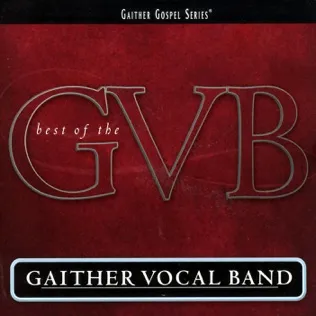
Gaither Vocal Band - I Know Lyrics
Lyrics
Some people say, that this old time religion
Is just a thing of the past
But in this modern age that we're livin'
It's the only thing that will last
Now you may think I'm a little old fashioned
Well friend, that's alright with me
'Cause I'm so glad that I am a Christian
And from sin I have been set free
I know, I know, there's no doubt about it
He's real in my heart, and I'm gonna shout it
I know, I know, my sins are forgiven
And I'm on my way to a place that's called heaven
Not long ago, at an old fashioned meeting
I knelt on my knees there in prayer
He lifted my burdens and shackles fell from me
And his presence was so real everywhere
Now that the load I carry is lighter
And He's changed the grey skies to blue
My steps are now higher for I have this assurance
That His sweet love will carry me through
Come go with me to that land over yonder
He's prepared for the pure and the true
It's a place where sickness and death can not enter
I'm going, brother, how about you?
Maybe today, maybe tomorrow
He'll return in robes of pure white
I'm packing up now, getting my things together
Video
Gaither Vocal Band - Yes, I Know (Official Live)
Meaning & Inspiration
"Shackles fell from me."
It’s a phrase that haunts the margins of the Gaither Vocal Band’s "Old Time Religion." We hear it so often in gospel hymns that it risks becoming mere wallpaper, a worn-out metaphor for the emotional relief of conversion. But if you stop the record—if you really stare at the ink on the page—it’s a violent, mechanical image.
Shackles don't just "fall." They are heavy, cold, rusted loops of iron designed to bite into skin. They represent a deliberate, calculated restriction of movement. When the singer claims these shackles fell away at the altar, they aren't describing a gentle nudge or a spiritual realization; they are describing a sudden, structural failure of their captivity.
There is a strange tension here. In our modern, comfortable faith, we tend to talk about being "set free" as a psychological upgrade—a shift from anxiety to peace. But the language of the song insists on something more visceral. It echoes the account in Acts 12, where Peter is sleeping between two soldiers, bound by chains, only for the iron to fall away by the intervention of an angel. It wasn't that Peter decided to be free; it was that the power of God rendered his imprisonment obsolete.
Yet, there is a nagging question left on the table: what happens to the person after the iron hits the floor?
We spend so much of our religious energy focusing on the moment of the "falling." We want the testimony of the release. We want the sound of the metal hitting the ground. But the song pivots quickly from the falling shackles to the "load I carry is lighter." It’s an interesting admission. The shackles are gone, but the load remains. It’s not a life of total ease or sudden weightlessness; it’s a life of carrying a burden that has been made manageable by a companion.
It feels honest, in a way the rest of the jaunty, upbeat chorus might not. The Gaithers are masters of the high-energy, "let’s shout it from the rooftops" delivery, but that line—now that the load I carry is lighter—grounds the theology in the messy, day-to-day grind. It suggests that even after the miraculous release, we are still pilgrims walking through a "modern age" that isn't particularly kind to old-fashioned faith.
Maybe the "old time religion" isn't just about the past; maybe it’s about the durability of the hope that once you’ve felt the weight of your own limitations hit the floor, you can never really go back to pretending you were ever the one holding the keys. I’m left wondering if we talk enough about the period after the shackles fall. It’s one thing to be liberated in a moment of prayer; it’s another to walk through the rest of the week with the scars where the iron used to be.