
for KING & COUNTRY - Without You Lyrics
Lyrics
What do you do when you don't get better?
Strong arms get too, get too weak to hold her
Oh God, give me just enough strength to make it through
Sleepless, this madness is walking me out to the ledge
And stands there beside me, shivering out on the edge
And oh God all I, all I ask is a little relief, just a moment of peace
I don't want to live without you
I'm not ready to live without you
So let's dance a little, laugh a little, and hope a little more
'Cause I don't want to live without you, without you
This thorn in my side, though it cuts and stings me
Has opened these eyes, I've never seen so clearly
And oh God, I thank You, 'cause You bring me to my knees
Back on my knees
I don't want to live without you
I'm not ready to live without you
So let's dance a little, laugh a little, and hope a little more
Yes, let's dance a little, laugh a little, and hope a little more
'Cause I don't wanna live without you, without you
I heard a voice from the other side singing,
"Hold fast, love last"
As winter turns into summertime singing,
"Hold fast, love last"
I heard a voice from the other side singing,
"Hold fast, love last"
As winter turns into summertime singing,
"Hold fast"
So let's dance a little, laugh a little, and hope a little more
Yes, let's dance a little, laugh a little, and hope a little more
'Cause I don't want to live without you
No, I don't wanna live without you, without you
Video
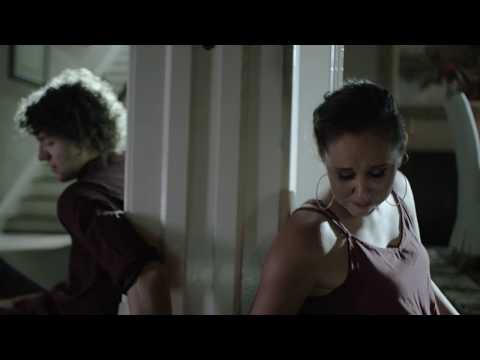
for KING + COUNTRY - Without You (feat. Courtney) Official Music Video
Meaning & Inspiration
"This thorn in my side."
Joel and Luke Smallbone, writing as for KING & COUNTRY, pull this imagery straight from the jagged edges of Paul’s own experience in 2 Corinthians 12. It’s a bold choice—the kind that flirts with spiritual exhaustion rather than the usual triumphalist gloss we’re so often fed.
We talk about thorns like they’re mere inconveniences, a minor pinprick in the thumb of our faith. But a thorn in the side? That implies proximity. It implies something that moves when you move, that catches on your clothing, that prevents you from standing up straight. It is a constant reminder of physical or emotional limitation. When the lyrics admit, "though it cuts and stings me," the pretense of "everything happens for a reason" falls away. It’s honest about the trauma of the cut.
But then, the pivot. "Has opened these eyes, I've never seen so clearly."
There is a strange, jarring friction here. How can a laceration be a catalyst for sight? We want the thorn removed; we pray for the extraction. Yet, the song argues that the clarity—the ability to see—is actually located in the presence of the pain, not in its absence. It’s an uncomfortable theological pill. It suggests that my comfort, my relief, and my desire for things to "get better" might actually be the very things blurring my vision.
In the real world, when you’re standing on that ledge the song mentions, when you’re "shivering out on the edge," you don’t want a poetic lesson on perspective. You want the ledge to disappear. You want the floor to rise up and meet your feet so you can stop trembling. To suggest that the thorn is doing something productive feels almost cruel. And yet, if I’m honest with myself, when everything is easy, my eyes go dull. I stop looking for the "voice from the other side." I become self-sufficient, which is usually the death of any actual relationship with the Divine.
The lyric "You bring me to my knees" acts as the final resolution to that tension. It isn't a prayer of victory; it’s a prayer of total collapse. Falling to one's knees is technically a posture of worship, but it’s also the posture of someone who can no longer stand under the weight of their own life. It’s the admission that the "strong arms" have failed, and that the only thing left to do is hit the floor.
Is it a cliché? Perhaps. We’ve heard about thorns and knees a thousand times in lyrics. But in the context of this specific song, it feels less like a Sunday School memory and more like an indictment of our need for control. It forces me to ask if I’m holding onto the "why" of my suffering too tightly to actually hear the voice saying, "Hold fast." Maybe the clarity isn't found in understanding the thorn, but in acknowledging that even while I’m bleeding, I’m still standing—or kneeling—in the presence of something that outlasts the winter.