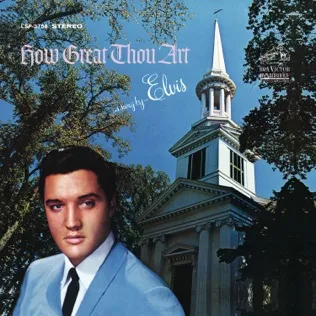
Elvis Presley - Where No One Stands Alone Lyrics
Lyrics
Once I stood in the night
With my head bowed low
In the darkness as black as could be
And my heart felt alone and I cried oh Lord
Don't hide your face from me
Take my hand, let me stand
Where no one stands alone
Like a king I may live in a palace so tall
With great riches to call my own
But I don't know a thing
In this whole wide world
That's worse than being alone
Hold my hand all the way, every hour every day
Come here to the great unknown
Take my hand, let me stand
Where no one stands alone
Take my hand, let me stand
Where no one stands alone
Video
Elvis Presley - Where No One Stands Alone (Official Music Video)
Meaning & Inspiration
Elvis Presley’s delivery of "Where No One Stands Alone" carries a weight that often escapes contemporary hymnody. There is a grit in the vocal performance—a recognition of the void—that feels less like a performance and more like a desperate plea for the sustaining grace of God.
Consider the line: "Don’t hide your face from me."
Theologically, this is heavy. It echoes the psalmist in Psalm 27, where the fear of divine withdrawal is treated as the ultimate existential threat. We often sanitize our theology, speaking of God’s presence as a comfortable constant. But the cry "Don't hide your face" assumes the possibility of silence, of the absentia Dei. In the theology of the cross, we recognize that God did, in fact, hide His face from the Son at Calvary. That is the cost of our reconciliation. When Presley sings this, he is tapping into the frantic human need for the Imago Dei to be reflected back to us, to be seen and known by the Creator. It is an acknowledgment that without that gaze, we are not just lonely; we are incoherent.
The song then pivots to a rejection of material autonomy: "Like a king I may live in a palace so tall / With great riches to call my own / But I don't know a thing / In this whole wide world / That's worse than being alone."
Modernity sells us a vision of the self as a sovereign kingdom. We are told that self-sufficiency is the goal. But here, the singer identifies "being alone" as the supreme poverty. This isn't just social isolation; it is the ontological horror of existing apart from the sustainer of all things. If we take this creed seriously, we must admit that our wealth, our influence, and our status are essentially hollow if they don't serve as a point of contact with the Divine.
The plea, "Take my hand, let me stand / Where no one stands alone," functions as a prayer for the communio sanctorum and an invitation into the presence of the Trinity. It forces us to ask: do we actually believe that standing with God is sufficient, or are we just looking for a divine hand to prop up our own crumbling kingdoms?
There is a lingering tension here that I can't quite resolve. We talk about the "great unknown" of the future, yet we claim to serve the God who is already there. Does grabbing His hand actually dispel the darkness, or does it simply give us the courage to walk through it? Presley doesn't promise a palace of ease; he asks for the hand of God precisely because the palace is insufficient. It’s a stark admission that no amount of earthly gain survives the night. We are left only with the grip of the One who promised never to leave us, a concept that demands more than just a passing listen—it demands a total surrender of our self-wrought independence.