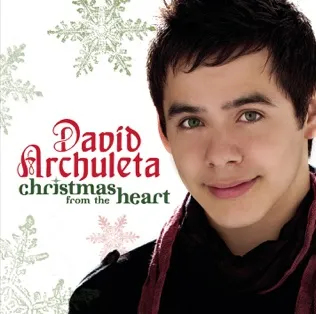
David Archuleta - The First Noel Lyrics

Album: Christmas From The Heart
Released: 12 Oct 2009
iTunes Amazon Music

Lyrics

The first noel, the angels did say
Was to certain poor shepherds in fields as they lay
In fields where they lay keeping their sheep
On a cold winter's night that was so deep

Noel, noel, noel, noel
Born is the King of Israel

They looked up and saw a star
Shining in the east beyond them far
And to the earth it gave great light
And so it continued both day and night

Noel, noel, noel, noel
Born is the King of Israel
Born is the King
Hallelujah

Noel, noel, noel, noel
Born is the King of Israel
Noel, noel, noel, noel
Born is the King of Israel
Born is the King

Noel, noel
The angels did see
Noel

Video

The First Noel

Thumbnail for The First Noel video

Meaning & Inspiration

In David Archuleta’s arrangement of "The First Noel," there is a persistent insistence on the phrase, "Born is the King of Israel." It is a simple, archaic declaration, but when you strip away the sentimental trappings of the holiday, the doctrine of the Incarnation demands a far heavier reckoning than we usually give it in December.

We often treat the Nativity as a soft, ethereal moment—a quiet stable, a gentle hush. But look at the text: "to certain poor shepherds in fields as they lay." God did not announce the arrival of the Architect of the Universe to the Sanhedrin or the halls of Herod. He went to the margins, to the men who were ceremonially unclean, those living in the dirt of the fields. There is a staggering theological weight in that choice. It tells us something vital about the Imago Dei—that even those pushed to the periphery of human society are the primary witnesses to the movement of the Divine. If the King of Israel is born, the logic of the world dictates he should be ushered in by the elite. Instead, the logic of the Gospel begins with a radical leveling.

Archuleta’s delivery stays clean, but the tension lies in the gap between the melody and the reality of what it means to call an infant "King." If he is King, then the sovereignty of every earthly power is immediately placed under judgment. When the lyrics repeat "Born is the King," they aren't just reciting history; they are asserting a throne.

There is an unfinished quality to this truth that leaves me unsettled. If we truly believe this child is the King, why does our devotion so often feel like a seasonal habit rather than a permanent orientation of the soul? The star gave "great light" that continued "both day and night," a constant, immovable beacon. Yet, we are fickle. We look at the light during the festivities and turn our backs when the routine of the year resumes.

The proclamation that he is the King of Israel is the anchor. It ties the New Testament promise back to the long, messy, and violent history of the Old Testament. It reminds us that this wasn't an isolated event, but the climax of a specific covenant. Propitiation is not a word we usually associate with a lullaby, but that is exactly what this birth points toward—the beginning of the life that would ultimately satisfy the demands of divine justice.

I find myself wondering if we have sanitized the "Noel" until it lost its teeth. When the music fades, the claim remains: a King has entered a fallen world. It isn't a suggestion; it’s an ontological shift. We can listen, we can sing along, but we cannot remain neutral once the King has been identified. He is here, and the shepherds were the first to know it. That should change how we look at our own fields, and who we expect to find there.

Loading...
In Queue
View Lyrics