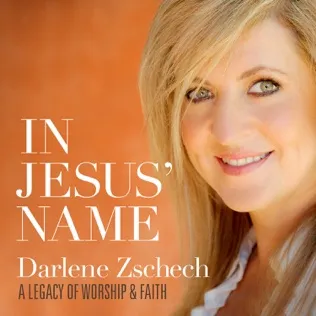
Darlene Zschech - At The Cross Lyrics

Lyrics

Oh Lord Youve searched me,
You know my way;
Even when I fail You,
I know You love me.
Your holy presence
Surrounding me
In every season,
I know You love me;
I know You love me.

At the cross I bow my knee,
Where Your blood was shed for me,
There's no greater love than this.
You have overcome the grave,
Your glory fills the highest place,

What can separate me now?
You go before me,You shield my way,
Your hand upholds me;
I know You love me.
And when the earth fades,
Falls from my eyes,
And You stand before me,
I know You love me;
I know You love me.

You tore the veil, You made a way
When You said that it is done.

Video

At the Cross - Hillsong Worship

Thumbnail for At The Cross video

Meaning & Inspiration

Darlene Zschech's "At The Cross," released as part of Hillsong Worship's 2017 album, is a profound declaration of faith centered on the redemptive power of the crucifixion. The song immediately establishes a deeply personal relationship with God, acknowledging His omniscience and unwavering love, even amidst human failing. This sentiment echoes Psalm 139:1-6, where David expresses God's intimate knowledge of his life, from his sitting down to his rising up. Zschech's assurance that she is loved, regardless of her imperfections, reflects the core of God's grace. The repetitive affirmation, "I know You love me," becomes a powerful anchor, grounding the worshipper in divine affection.

The heart of the song, however, lies in its potent imagery of the cross. The act of bowing a knee at the cross signifies submission and surrender to the ultimate sacrifice made by Jesus. It's here that the song directly references the shedding of blood for redemption, a concept central to Christian theology, powerfully articulated in verses like Hebrews 9:22, which states that without the shedding of blood, there is no forgiveness. The declaration, "There's no greater love than this," directly mirrors John 15:13: "Greater love has no one than this: to lay down one’s life for one’s friends." The song continues to celebrate Christ's victory over death, proclaiming, "You have overcome the grave," a direct reference to the resurrection, the ultimate proof of Christ's divine power and the promise of eternal life for believers, as seen in 1 Corinthians 15:54-57. The ensuing question, "What can separate me now?" is a triumphant affirmation of the security found in Christ's finished work, echoing Romans 8:38-39, which assures believers that nothing can separate them from the love of God.

The latter part of the song shifts to God's active protection and guidance in the present. The image of God going before and shielding the worshipper speaks to His constant presence and care, a concept found in Deuteronomy 31:8 and Isaiah 41:10. The assurance that His hand upholds underscores the steadfastness of God's support, even as earthly life begins to fade. This anticipation of Christ's final appearance and the enduring knowledge of His love in eternity points towards the hope of glorification and eternal communion, a theme woven throughout scripture, particularly in verses concerning the second coming of Christ and the eternal dwelling of believers with Him. The powerful closing statement, "You tore the veil, You made a way when You said that it is done," refers to the rending of the temple veil at Christ's death, symbolizing the opening of direct access to God for all humanity, as depicted in Matthew 27:51 and Hebrews 10:19-20. This final declaration encapsulates the totality of Christ's sacrifice, making the cross the singular point of salvation, reconciliation, and ultimate hope.

Loading...
In Queue
View Lyrics