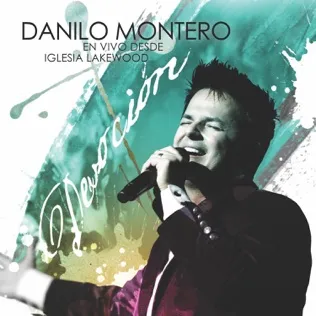
Danilo Montero - Gracia Lyrics
Lyrics
Perdido yo me encontraste a mi
Tomaste mi mano me acercaste a ti
Torpe soy y me das tu amor
Loco soy para el rey de amor
Me diste alas para volar
Hoy pinto el cielo con mi cantar
Lo que yo soy viene de ti
Lo que yo quiero es mas de ti
Es gracia Dios yo nada soy sin ti
Tu gracia hoy brilla en mi
Hubo dias que corri de ti
Dificil me fue no supe que decir
Perdoname cuando debil soy
Cambiaste el cielo por una cruz de amor
Me has sostenido en mi vivir
Fuiste mis ojos cuando ciego fui
Tu gloria brilla en mi afliccion
Aceite de gozo en mi dolor
Es gracia Dios yo nada soy sin ti
Tu gracia hoy brilla en mi
Es gracia Dios yo nada soy sin ti
Tu gracia hoy brilla en mi
Brilla en mi, brilla en mi
Tu gracia brilla en mi
Brilla en mi, brilla en mi
Oh Dios
Brilla en mi, brilla en mi
Tu gracia brilla en mi
Brilla en mi, brilla en mi
Oh Dios
Video
Danilo Montero - Gracia (Lakewood)
Meaning & Inspiration
Danilo Montero knows the danger of the "repeat" button. In Devoción, he isn’t interested in filler; he’s documenting a rescue.
The Power Line here is simple, almost brutal in its honesty: “Torpe soy y me das tu amor / Loco soy para el rey de amor.”
Most worship writing sanitizes the human experience, turning us into polished vessels before we’ve even started the chorus. Montero disrupts that. By labeling himself torpe (clumsy/foolish), he cuts through the performance of holiness. We spend so much time in church trying to look like we have our footing, but the truth is usually closer to his admission: we are stumbling over our own feet while trying to walk toward a holy God.
It reminds me of Romans 5:8—God demonstrates his own love for us in this: while we were still sinners, Christ died for us. The mechanics of the gospel don’t wait for our poise. They meet us in the middle of our clumsiness.
The song drags a little in the back half, leaning heavily on the repetition of “brilla en mí.” As an editor, I’d argue he could have left that bridge shorter, but perhaps that’s the point. When you’ve been blind—“Fuiste mis ojos cuando ciego fui”—and you finally catch a glimpse of the light, you don’t stop talking about it. You don’t worry about structural economy. You just keep saying the same thing because the revelation is still fresh.
There’s a tension in the lyrics that keeps this from becoming just another upbeat track. He admits, “Hubo días que corrí de ti.” That’s the reality of the faith: we aren't always standing in the sanctuary with hands raised. Sometimes, we are running away, terrified, or simply exhausted by our own capacity for failure. Montero doesn't gloss over the running. He anchors his hope in the fact that he was found despite the sprint away from the source of his life.
The phrase “Aceite de gozo en mi dolor” (oil of gladness in my pain) isn't a promise that the pain vanishes; it’s an acknowledgement that the oil—the anointing—is applied exactly where the bruising is worst. It’s a messy, physical image. It implies that you have to be in pain to receive the comfort. You have to be lost to be found.
It leaves me wondering: if we spent as much time admitting our clumsiness as we do singing about our strength, would we be more relieved, or just more honest? Montero isn’t trying to solve the problem of human weakness; he’s just sitting in the grace that covers it. Sometimes, that’s all the clarity you get.