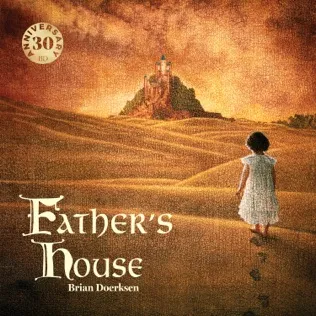
Brian Doerksen - Celebrate Lyrics

Album: Father’s House (30th Anniversary Edition)
Released: 01 Nov 2024
iTunes Amazon Music

Lyrics

now is the time to throw a party
the time is now, don't hesitate
one of the children who was searching

has come home
now is the time to celebrate
so let the music play on
let the party begin

celebrate the love of the Father
with dancing feet and joyful song
celebrate His mercy together
this is the place where we belong

this is the house of love and laughter
the place where we are finally free
so tell all the children who are searching,
"come on home!"
this is the place for you and me
so let the music play on
let the party begin

who can touch our deepest shame
give us hope to live again
who can call us by name
only the Father
who can find the homeless ones
call them daughters, call them sons
who can say the words 'well done'
only the Father
who can make all sorrow cease
fill the heart with perfect peace
who can set the spirit free
only the Father

Video

Celebrate | Brian Doerksen - Father's House

Thumbnail for Celebrate video

Meaning & Inspiration

Brian Doerksen’s latest offering, "Celebrate," released on November 1, 2024, arrives as a vibrant and deeply moving anthem of divine welcome and unfettered joy. The song immediately transports listeners into a jubilant spiritual landscape, drawing its profound inspiration from the timeless narrative of the Prodigal Son found in Luke 15. It imagines the celebratory homecoming not just for one lost child, but for all who have wandered, are searching, or feel estranged, echoing the Father’s boundless love and eagerness to reconcile. The core meaning thus unfolds as a universal invitation to experience the unconditional embrace of God, a call to shed shame and step into a life of belonging and freedom.

The song commences with an urgent, almost breathless declaration: "now is the time to throw a party." This immediate call to celebration bypasses hesitation, reflecting a divine impatience for reunion, a concept deeply rooted in Scripture where God Himself rejoices over repentance (Luke 15:7, 10). The imagery of "one of the children who was searching has come home" directly invokes the parable of the lost son, where the Father’s joy at his return culminates in a lavish feast. Doerksen masterfully expands this individual story into a collective experience, framing God’s kingdom as an eternal house party, full of "dancing feet and joyful song," emphasizing that true faith is not merely solemn reverence but an ecstatic expression of gratitude and love, much like King David dancing before the Lord (2 Samuel 6:14) or the psalmist proclaiming, "You turned my wailing into dancing" (Psalm 30:11). The invitation to "celebrate the love of the Father with dancing feet and joyful song" and "celebrate His mercy together" grounds this exuberance in the unwavering character of God—His enduring love (1 John 4:8) and profound mercy, which are new every morning (Lamentations 3:22-23).

The spiritual home Doerksen describes is not an abstract concept but a tangible, welcoming place: "This is the house of love and laughter, the place where we are finally free." This vivid depiction challenges any perception of faith as rigid or restrictive, instead presenting it as the ultimate source of liberation and authentic joy. It is a place where deep human longings for acceptance are met, a profound sense of belonging established, perfectly captured by the line, "this is the place where we belong." This resonates with the New Testament’s teaching that through Christ, we are adopted as sons and daughters, no longer strangers but members of God’s household (Ephesians 2:19, Romans 8:15). The song’s powerful message extends to all "children who are searching," urging them to "come on home," a direct spiritual equivalent of Jesus’ own invitation to the weary and burdened to find rest in Him (Matthew 11:28).

The latter part of "Celebrate" thoughtfully enumerates the Father’s unique redemptive attributes through a series of rhetorical questions, each answered with "only the Father." This segment serves as a powerful theological anchor, underscoring God’s singular capacity to heal and restore. Who else, the song asks, can "touch our deepest shame, give us hope to live again"? This speaks to the transformative power of divine grace, which cleanses guilt and offers a future, fulfilling the promise that God remembers our sins no more (Hebrews 8:12) and grants a living hope (1 Peter 1:3). The ability to "call us by name" speaks to an intimate, personal relationship that transcends mere acquaintance, reminiscent of God knowing His sheep by name (John 10:3) and calling His chosen people by their names (Isaiah 43:1). Furthermore, only the Father can "find the homeless ones, call them daughters, call them sons," highlighting the profound act of spiritual adoption, making us heirs to His kingdom (Galatians 4:5-7, Romans 8:17). The declaration that "only the Father" can say the words 'well done' points to ultimate divine approval and affirmation, a glorious reward awaited by faithful servants (Matthew 25:21, 23). Finally, the capacity to "make all sorrow cease, fill the heart with perfect peace," and "set the spirit free" encapsulates the complete work of redemption—a comfort that wipes away every tear (Revelation 21:4), a peace that surpasses all understanding (Philippians 4:7), and a freedom from sin’s bondage that only the Spirit of the Lord can grant (2 Corinthians 3:17). Doerksen’s "Celebrate" is more than a song; it is a joyous proclamation of God’s unwavering love and mercy, a compelling invitation to experience the deepest freedom and belonging found only in the Father’s embrace.

Loading...
In Queue
View Lyrics