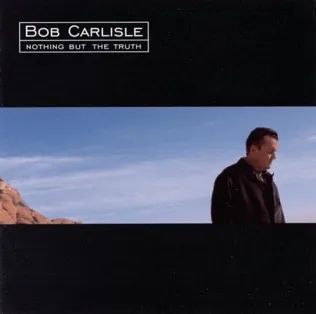
Bob Carlisle - River Of Peace Lyrics
Lyrics
Verse 1:
She was a gorgeous little girl,
Only ten years old
With her mother's smile
And her father's eyes
And she was taken way too soon,
A life so full of promise,
Full of hope,
But never realized
And I raise my fist in anger
And wonder why you take
The tender hearts and
Leave the rest of us behind.
Chorus:
Ours is not to question why,
Ours is just to live and try,
To settle for the answer
Whatever it might be
Until we see you face to face
In another time and place
Where the river of your peace
Runs free.
Verse 2:
Now thirty years have come
And gone
Since his country shipped him home
With a silver star and
A broken heart.
More than his innocence was lost
To a complicated war.
His baby brother didn't make it
Back at all.
And each nicht in silent anger,
He tries to understand the sacrifice
And each night he falls apart.
You said we're all your precious children,
But I must admit,
Sometimes we feel so small.
We wonder if you're there,
Or if you really care at all.
Chorus:....
Until we see you face to face
In another time and place
Where the river of your peace runs free,
Where the river of your peace runs free.
Video
River Of Peace
Meaning & Inspiration
Bob Carlisle's "River of Peace," released on August 11, 2000, as part of the album *Nothing But the Truth*, delves into profound themes of loss, faith, and the enduring hope for ultimate peace, resonating deeply with anyone who has wrestled with the seemingly senseless tragedies of life. The song opens with the poignant image of a ten-year-old girl, her vibrant potential extinguished too soon. This initial portrayal immediately evokes a visceral reaction, a cry of anguish against the injustice of such premature departures. The narrative then shifts to a veteran, thirty years removed from a conflict that claimed not only his innocence but also the life of his baby brother. The lyrics capture the lingering pain and confusion of sacrifice, the gnawing question of "why" that echoes in the quiet moments of remembrance. Carlisle grapples with a deeply human struggle: when faced with such profound sorrow, how can one maintain faith in a loving, attentive God? The repeated plea, "We wonder if you're there, Or if you really care at all," is a raw expression of doubt that many experience when confronted with suffering.
The chorus offers a profound theological perspective, one that finds its roots deeply embedded in Scripture. The declaration, "Ours is not to question why, Ours is just to live and try," echoes the sentiment found in Job, who, despite immense suffering, ultimately submitted to God's inscrutable will, proclaiming, "The Lord gave, and the Lord has taken away; blessed be the name of the Lord" (Job 1:21). This acceptance is not passive resignation but an active trust in a divine plan that transcends human comprehension. The vision of meeting loved ones "In another time and place, Where the river of your peace runs free" points to the Christian hope of eternal life and reunion in God's presence. This imagery powerfully connects to Revelation 21:4, where it is promised that in the new heaven and new earth, "He will wipe away every tear from their eyes, and death shall be no more, neither shall there be mourning, nor crying, nor pain anymore, for the former things have passed away." The "river of peace" becomes a metaphor for the unadulterated, perfect peace that only God can provide, a peace that surpasses all understanding, as described in Philippians 4:7: "And the peace of God, which surpasses all understanding, will guard your hearts and your minds in Christ Jesus." Carlisle’s message is ultimately one of steadfast faith amidst inexplicable sorrow, a reminder that while earthly lives are fragile and fraught with pain, the promise of eternal peace in God’s embrace offers solace and enduring hope, urging us to hold onto the belief that our present struggles are but a prelude to a heavenly reunion where all pain ceases and perfect peace reigns.