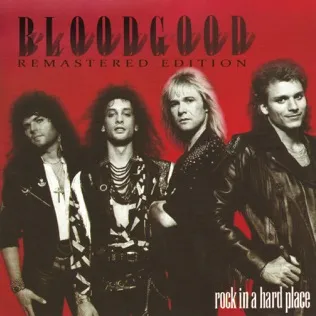
Bloodgood - What Have I Done? Lyrics

Album: Rock in a Hard Place
Released: 01 Jan 1988
iTunes Amazon Music

Lyrics

My heart is breaking as I walk alone
My spirit's aching out here on my own
Following a dream too good to be true
Is there any hope, tell me what can I do?

My tears are burning, living in despair
I turn my head to God, is He really there
Looking for answers, nowhere else to turn
All those years for nothing, did I ever learn?

What have I done?
What have I done?
I turned my back on You
The only one
The only one who ever loved me

My life's a ruin, I labored in vain
All I feel is sorrow, spend my days in shame
Words come to haunt me, visions in my head
Wishing I was someone else, wishing I was dead

What have I done?
What have I done?
I turned my back on You
The only one
The only one who ever loved me

How can I deny it
Now I'm all alone, all alone

What have I done?
What have I done?
I turned my back on You
The only one
The only one who ever loved me

Video

What Have I Done

Thumbnail for What Have I Done? video

Meaning & Inspiration

Released on November 8, 2014, Bloodgood's "What Have I Done?" is a raw and poignant introspection, offering a stark look into the human experience of spiritual wandering and the profound, often painful, path back to divine recognition. The song’s narrative unfolds as a desperate lament, born from the bitter fruit of disillusionment and the stark realization of having abandoned the source of true love. It captures the universal struggle of chasing fleeting dreams, only to find them empty, leading to a profound personal reckoning.

The song immerses us in a soul's desolate journey, beginning with a deep sense of isolation and spiritual exhaustion. The opening lines paint a picture of a heart broken and a spirit aching, walking a path alone, having pursued a dream that ultimately proved hollow. This resonates deeply with the cautionary tales found throughout Scripture, such as in Ecclesiastes 1:2, which declares, "Vanity of vanities! All is vanity." The pursuit of worldly desires often leads to an emptiness that leaves one questioning hope itself, much like the psalmist who cried out in distress, "I am feeble and severely broken; I groan because of the agitation of my heart" (Psalm 38:8).

As the narrative progresses, the individual’s despair intensifies, marked by burning tears and a desperate questioning of God's presence. There is a palpable moment of turning towards the divine, even in doubt, with the plea, "I turn my head to God, is He really there?" This reflects a pivotal moment of spiritual crisis, where one grapples with the perceived absence of God amid personal ruin. It mirrors the human tendency to question faith when faced with severe consequences, yet the very act of turning, even in doubt, is a precursor to seeking answers. The lament over "all those years for nothing" powerfully echoes the wisdom of Proverbs 14:12, "There is a way that seems right to a man, but its end is the way of death," highlighting the futility of a life lived apart from divine purpose.

The core of the song lies in its recurring confession: "What have I done? I turned my back on You, the only one, the only one who ever loved me." This is a powerful admission of guilt and a profound realization of the true cost of spiritual rebellion. It speaks to the deep pain of forsaking the unfailing love of God, a theme central to biblical teachings. Jeremiah 2:13 powerfully states, "For My people have committed two evils: They have forsaken Me, the fountain of living waters, and hewn themselves cisterns—broken cisterns that can hold no water." The speaker’s recognition of God as "the only one who ever loved me" is a poignant testament to the unconditional nature of divine love, a love demonstrated in Romans 5:8, "But God demonstrates His own love toward us, in that while we were still sinners, Christ died for us," and articulated in 1 John 4:10, "In this is love, not that we loved God, but that He loved us."

Further into the song, the consequences of this estrangement are laid bare. A life in ruins, consumed by sorrow and shame, plagued by haunting words and visions, leads to a desperate wish for oblivion. "My life's a ruin, I labored in vain / All I feel is sorrow, spend my days in shame / Wishing I was someone else, wishing I was dead." This vividly portrays the spiritual death that can accompany separation from God, as Isaiah 59:2 explains, "But your iniquities have separated you from your God; And your sins have hidden His face from you, So that He will not hear." The desire to escape oneself or life altogether is a profound expression of self-loathing, yet it underscores the depth of spiritual brokenness that often precedes genuine repentance and the embrace of grace. The brief, stark realization, "How can I deny it, now I'm all alone," solidifies the undeniable truth of self-inflicted isolation, leaving no room for excuses.

Ultimately, "What Have I Done?" is not merely a song of despair; it is a journey through the depths of human brokenness that culminates in a profound awakening to divine grace. It serves as a powerful reminder that even in our darkest moments of regret and isolation, the love of God remains constant and available. Like the prodigal son who came to his senses and returned to a welcoming father (Luke 15:17-20), the song's narrative offers a profound message of hope: even after turning away, the path back to the only One who truly loves is always open. It inspires a courageous self-examination, urging us to acknowledge our wanderings and embrace the redemptive power found in returning to our Creator.

Loading...
In Queue
View Lyrics