Bethany Dillon - On The Third Day Lyrics
Lyrics
Creation brings an offering,
As autumn leaves turn to gold,
The trees bow down in highest praise,
Now made bare before Your throne.
The western sky an amber blaze,
At the end of the day,
For ev'rything must die to rise again.
The winter's chill, a bitter cold,
As sin and shame leave us to fall,
The clouds now full of newborn snow,
For grace to come and save us all,
Within the darkest night of man,
Was found Your saving hand,
For ev -'rything must die to rise again.
Chorus:
On the third day, behold the King,
On the third day, death has no sting,
On the third day, we're forgiven and reconciled
The earth it groans in labor pains,
As flowers stretch to heaven above,
Your creatures sing the prophet's song,
To be a gift of selfless love.
The sun is rising in the east,
And Your Spirit is unleashed
For ev'rything must die to rise again.
And so we wait in joyful hope,
For You to come and take us home,
And so we join beneath the cross,
In suffering from whence we go.
The greatest act of sovereign grace,
In the universe displayed,
For ev'rything must die to rise again.
Chorus 2:
On the third day, the saints rejoice,
On the third day, we lift our voice,
On the third day, united and glorified.
Video
On The Third Day
Meaning & Inspiration
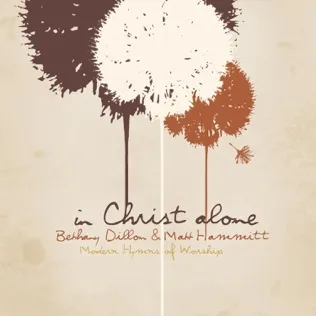
Bethany Dillon's "On The Third Day," released on January 1, 2008, as part of the profound collection "In Christ Alone - Modern Hymns of Worship," stands as a deeply moving and theologically rich meditation on the core tenets of Christian faith. This song is far more than a melodic arrangement; it is a lyrical sermon, a spiritual journey tracing the divine narrative from creation's cyclical patterns to the ultimate triumph of Christ's resurrection and its redemptive implications for humanity. It invites reflection on the essential truth that death is often a prelude to a greater, more glorious form of life, a principle woven into the very fabric of existence and profoundly realized in the Gospel.
The song’s narrative unfolds by first observing the natural world, drawing powerful parallels between the visible and the spiritual. It opens with images of autumn leaves turning to gold and trees bowing bare, an "offering" from creation itself, symbolizing a dying to self that precedes renewal. Just as the western sky blazes at the day's end, signaling its temporary demise, the phrase "For ev'rything must die to rise again" introduces a foundational theme echoed throughout Scripture, from the parable of the seed in John 12:24 to the promise of new life. This imagery sets the stage for understanding God's grand design, where even the seemingly destructive forces of nature participate in a divine cycle of surrender and rebirth, hinting at the sovereign hand behind all seasons. The very creation, as Psalm 19:1 declares, testifies to God's glory, and here, even in its seasonal transitions, it worships Him.
Transitioning from nature’s lessons, the song bravely confronts the stark reality of humanity’s fallen state. The "winter's chill, a bitter cold" powerfully represents the isolation and brokenness brought by "sin and shame," leaving us to fall. This dark imagery effectively illustrates the spiritual plight described in Romans 3:23, where all have fallen short of God's glory. Yet, within this bleakness, hope emerges with "clouds now full of newborn snow," symbolizing the purity and cleansing power of divine grace. "Within the darkest night of man, was found Your saving hand" speaks directly to God’s unwavering intervention, a beacon of mercy shining amidst our deepest despair, a truth beautifully articulated in Ephesians 2:8-9, emphasizing salvation by grace through faith. This verse perfectly encapsulates the human condition before Christ and the absolute necessity of God's redemptive act.
The heart of the song pulses through its potent chorus, declaring the victorious truth of the resurrection: "On the third day, behold the King, / On the third day, death has no sting, / On the third day, we're forgiven and reconciled." This directly references 1 Corinthians 15:3-4, which outlines Christ's death for our sins and His glorious resurrection on the third day. The triumphant assertion that "death has no sting" is a direct quote from 1 Corinthians 15:55, celebrating the victory Christ secured over sin and death. Furthermore, "we're forgiven and reconciled" captures the essence of Romans 5:10, reminding us that through Christ’s sacrifice, we, who were once enemies, are now brought into a right relationship with God. This central message anchors the song in the ultimate display of God’s love and power, providing unwavering hope to all who believe.
The narrative then expands to depict the transformative effects of this resurrection, both on creation and believers. "The earth it groans in labor pains" echoes Romans 8:22, where creation itself yearns for full redemption, a foreshadowing of new life. As "flowers stretch to heaven above" and "Your Spirit is unleashed," we are reminded of the spiritual awakening and outpouring of the Holy Spirit, akin to the day of Pentecost described in Acts 2. This signifies not only personal renewal but a broader, cosmic restoration initiated by God's selfless love. The rising sun in the east mirrors the dawning of a new spiritual era, energized by the active presence of God's Spirit in the world.
Finally, the song brings the message full circle to the personal experience of faith, urging believers to respond to this magnificent truth. "And so we wait in joyful hope, / For You to come and take us home," reflecting the blessed hope of Christ's return (Titus 2:13) and our eternal dwelling with Him. The call to "join beneath the cross, / In suffering from whence we go" acknowledges the cost of discipleship and our identification with Christ's sacrifice, as seen in Philippians 3:10. It reminds us that our journey involves carrying our own crosses, yet it is always within the context of God's ultimate plan. The phrase "The greatest act of sovereign grace, / In the universe displayed" powerfully summarizes the cross and resurrection as the paramount expression of divine love and power, a truth encapsulated in John 3:16. The concluding chorus, "On the third day, the saints rejoice, / On the third day, we lift our voice, / On the third day, united and glorified," anticipates the glorious future for believers, when we will be perfected and united in Christ, a promise found in Romans 8:30 and 1 John 3:2. This song profoundly encourages a worshipful response, acknowledging the deep spiritual significance of Christ's resurrection and its eternal implications for those who trust in Him. "On The Third Day" is a masterful lyrical journey through the Gospel, designed to inspire and deepen faith through its vivid imagery and robust theological truth, making it a timeless anthem for the Christian journey.