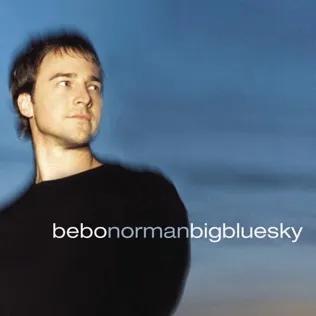
Bebo Norman - All That I Have Sown Lyrics
Lyrics
I believe when they put her in the ground
I think they buried part of me
Cause I've been searching
I've been looking all around
But I cannot find the heart of me
The heart of me
So I put my fingers in this soil upon her grave
And I will plant for her a garden
And every flower a reminder of her face
Will grow up graceful as a pardon
And all that grows is her story told
As life unfolds here before us
The peace I've found in this broken ground
I can see her in the harvest
Of all that I have sown
And long before I was covered up in grey
Before the old had bent my bones
We grow our children in the red Georgia clay
They were our garden and our home
And that grows is our story told
As life unfolds here before us
The peace we've found in that broken ground
I can see them in the harvest
Of all that I have sown
And when my life is done
I pray the kingdom come
Take me to glory
And it's living inside me
It was planted like a seed
All to tell a story
And I believe when they put me in the ground
There will remain a part of me
Cause I've been searching
And the joy that I have found
Is living in my family
It's all that I have sown
Video
All That I Have Sown
Meaning & Inspiration
Bebo Norman's "All That I Have Sown," released in 2001 on his album *Big Blue Sky*, is a profoundly moving meditation on legacy, love, and the enduring nature of faith, deeply rooted in biblical principles. The song opens with a raw declaration of grief and loss, suggesting that with the passing of a loved one, a vital part of the narrator's own being has been interred. This sentiment echoes the deep sorrow described in Scripture, yet it immediately pivots towards an act of profound faith and remembrance. The narrator's decision to plant a garden on the grave is not merely a symbolic gesture but a tangible act of continuing life and love, transforming the place of sorrow into a testament to the departed. Each flower becomes a living memorial, a reminder of the "face" of the loved one, growing with a "graceful as a pardon." This imagery speaks to the redemptive power of love and memory, suggesting that even in the face of death, beauty and peace can emerge.
The central theme of the song beautifully encapsulates the biblical concept of sowing and reaping, a metaphor Jesus frequently employed. The lyrics state, "And all that grows is her story told, As life unfolds here before us. The peace I've found in this broken ground, I can see her in the harvest." This directly aligns with Galatians 6:7, which warns, "Do not be deceived: God cannot be mocked. A man reaps what he sows." Here, however, Norman reframes this principle. The "sowing" is not about human merit but about the seeds of love, memory, and faith that are planted. The "harvest" is not judgment but the continuation of life, the peace found in grief, and the enduring presence of the loved one in the fruit of their life and legacy. The reference to growing children in the "red Georgia clay" as "our garden and our home" further emphasizes this legacy, drawing parallels to the creation narrative where humanity was formed from the earth, and the mandate to be fruitful and multiply. This generation, in turn, becomes the "harvest" of the parents' love and sacrifice, fulfilling the Great Commission in a deeply personal way.
The song's trajectory moves from personal loss to a universal understanding of enduring faith and family. The final stanza looks toward the end of life with a hopeful anticipation of "glory" and a prayer for the "kingdom come." This reflects the Christian hope of eternal life, as articulated in passages like John 14:2, "In my Father’s house are many rooms; if it were not so, I would have told you. I am going there to prepare a place for you." The idea that the departed’s essence is "living inside me" and "planted like a seed" to "tell a story" speaks to the indwelling Spirit and the continuing influence of those who have gone before us, a concept reminiscent of Hebrews 12:1, which encourages believers to run the race of faith "with perseverance, the cloud of witnesses—all those who have gone before us in the faith—watching." Ultimately, the song concludes with a profound realization that true legacy lies not in material possessions but in the enduring love and faith passed down through generations, finding joy not in what is lost, but in "all that I have sown" within his family, a testament to the enduring truth that what we cultivate in love and faith will bring forth a rich and lasting harvest.