Amy Grant - The Next Time I Fall Lyrics
Lyrics
Love, like a road that never ends
How it leads me back again
To heartache
I'll never understand
Darling, I put my heart up on a shelf
Til the moment was right, and I told myself
The next time I fall in love
I'll know better what to do
The next time I fall in love
It will be with you
Now, as I look into you eyes
Well I wonder if it's wise
To hold you like I've wanted to before
Tonight, I was thinking that you might
Be the one who breathes life in this heart of mine
Next time I fall in love
I know better what to do
Next time I fall in love
It will be with you
Next time I'm gonna follow through
And if it drives me crazy
I will know better why
The next time I try
Next time I fall in love
Next time I fall in love with you
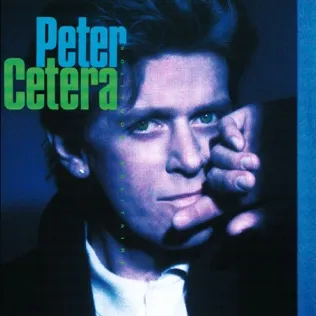
(duet with Peter Cetera)
Video
Peter Cetera, Amy Grant - The Next Time I Fall (Official Music Video)
Meaning & Inspiration
Amy Grant was navigating a strange threshold in 1986. With The Next Time I Fall, she wasn’t just crossing over from the tight-knit world of CCM into the wider airwaves; she was negotiating how a Christian artist expresses human longing without sounding like they’re reading from a devotional.
When she sings, "Darling, I put my heart up on a shelf / Til the moment was right," it lands with a strange, clinical detachment. It’s the sound of someone trying to protect their faith by intellectualizing their romantic past. You can hear the pop-radio machinery working here—the influence of Peter Cetera’s late-era Chicago sheen is undeniable. It’s slick, it’s adult contemporary, and it’s arguably designed to be as palatable as a soft breeze. The danger, of course, is that the 'vibe'—that smooth, mid-eighties production—risks sanitizing the actual wreckage of human connection. It makes the idea of "falling" seem manageable, a sequence of logical steps rather than a chaotic surrender.
But then there’s that line: "Be the one who breathes life in this heart of mine."
That hits differently. In a secular pop context, it’s just romantic hyperbole. But coming from Grant, who had spent her career singing about the Author of Life, it’s a collision. It echoes Ezekiel 37—that vision of dry bones and the breath of God animating what was once hollow. There is a palpable tension here: is she asking a human partner to do what only the Holy Spirit can do? It’s a common trap in the American church culture of that era, where the boundaries between "human love" and "the love of God" started to blur until they became almost interchangeable.
I find myself wondering if this song is an act of hedging. If you convince yourself that the "next time" you’ll do it better—that you’ll be wiser, that you’ll follow through—you’re essentially trying to legislate the risks out of love. But scripture, specifically 1 John 4:18, suggests that "perfect love casts out fear." Grant’s narrator is doing the opposite; she’s calculating. She’s trying to learn from the "heartache" she doesn’t understand, hoping to outsmart the vulnerability that love requires.
Is the message lost in the glitz? Maybe. Or maybe the glitz is the point. It’s the way we all try to make faith look tidy when it’s actually messy. We want the "next time" to be calculated and safe, forgetting that the gospel isn't about being wise; it’s about being broken open. Grant sounds like she’s trying to be a grown-up, someone who has finally figured out the algorithm of intimacy. Yet, the song remains anchored in the very human need to be known, which—even behind a synthesised beat—is a prayer of sorts, even if we’re not sure who exactly we’re talking to.