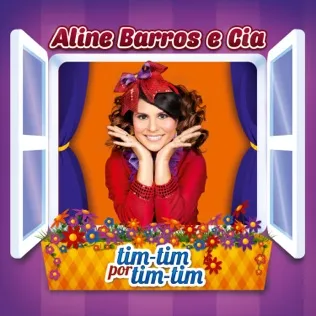
Aline Barros - Dia De Parque Lyrics
Lyrics
Hoje é dia de alegria e vai rolar muita diversão
Vamos para o parque
Com toda a família, mamãe, papai, vovô, vovó, titia
Churros, pipoca com guaraná
Algodão doce pra se lambuzar
Vou na roda gigante, e no
Pula pula, e no carrossel vamos girar
Gira, gira, gira, oh
Sobe, desce, sobe, desce, pula, pula, escorrega
Dia de parque, tudo é festa
Sobe, desce, sobe, desce, pula, pula, escorrega
Jesus com a gente
A vida é sempre festa
...
Video
Dia de Parque
Meaning & Inspiration
"Dia De Parque," from Aline Barros' 2014 album *Aline Barros e Cia Tim-Tim por Tim-Tim*, released on November 25th, offers a vibrant celebration of simple joys through a spiritual lens. This children's song, despite its playful exterior, delivers a profound message about the source of true happiness, making it a valuable addition to any family's playlist. Aline Barros, a revered figure in Brazilian Christian music, particularly for her work with young audiences, masterfully blends everyday experiences with eternal truths, ensuring her music resonates deeply with both children and the adults who guide them.
The song immediately immerses us in a vivid scene: a joyful family outing to an amusement park. The lyrics paint a picture of shared laughter and excitement, with "mamãe, papai, vovô, vovó, titia" (mom, dad, grandpa, grandma, aunt) all present, highlighting the importance of intergenerational connection and community. It evokes the sensory delights of churros, popcorn, cotton candy, and the exhilarating rush of rides like the Ferris wheel, carousel, and bouncing on a "pula pula." This initial portrayal captures the innocent exuberance of childhood and the simple pleasure found in shared experiences. Such moments of familial unity reflect a biblical appreciation for the blessing of kinship and shared life, echoing sentiments found in passages like Psalm 133:1, which celebrates how "good and pleasant it is when God’s people live together in unity."
However, "Dia De Parque" elevates beyond mere nostalgia for childhood fun. The true heart of the song is unveiled in its culminating lines: "Jesus com a gente / A vida é sempre festa" (Jesus with us / Life is always a celebration). This pivotal declaration transforms the entire narrative, shifting the perceived source of joy from external circumstances—the park, the rides, the treats—to the ever-present companionship of Jesus. It reminds us that while earthly pleasures are delightful, their fleeting nature means they cannot be the ultimate foundation of enduring happiness. Instead, the song posits that true, consistent celebration stems from a relationship with Christ, anchoring joy in something far more steadfast and eternal. This truth resonates deeply with Philippians 4:4, which urges us to "Rejoice in the Lord always; again I will say, rejoice," emphasizing that our joy is rooted in God, regardless of our surroundings.
Furthermore, the song subtly encourages a childlike faith, a theme frequently echoed in Scripture. Jesus Himself taught in Matthew 18:3, "Truly I tell you, unless you change and become like little children, you will never enter the kingdom of heaven." The uninhibited joy, trust, and simple delight depicted in "Dia De Parque" become a metaphor for the way believers are called to approach their walk with God: with open hearts, unburdened by cynical complexities, and full of faith in His constant presence. It suggests that finding God in the "sobe, desce, pula, pula, escorrega" of life's everyday moments is not just possible, but essential. This perspective aligns with Colossians 3:17, which calls us to do "whatever you do, whether in word or deed, do it all in the name of the Lord Jesus, giving thanks to God the Father through him," thereby consecrating even the most mundane activities.
The message extends to a deeper understanding of gratitude and an eternal perspective. By stating "A vida é sempre festa" with Jesus by our side, the song implies that even when literal park days are over, or when life presents its inevitable challenges, the spiritual reality of God's presence ensures an underlying current of joy and thankfulness. It’s a powerful reminder that our hope is not placed in transient experiences but in the unwavering faithfulness of Christ, allowing us to maintain a spirit of celebration even amidst trials. This resilient joy is a hallmark of Christian living, as expressed in Romans 12:12, "Rejoice in hope, be patient in tribulation, be constant in prayer," and underscores the biblical principle of giving thanks in all circumstances (1 Thessalonians 5:18). "Dia De Parque" is more than just a catchy tune for children; it is a spiritual anchor, teaching that the greatest celebration in life is the joy found in Jesus, present in every moment, turning every day into an opportunity for gratitude and celebration.