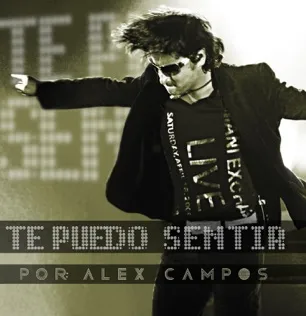
Alex Campos - Sueño De Morir Lyrics
Lyrics
Estando cerca del momento y te conoci miro tu rostro y tu silencio sabria aprender de ti tu cuerpo lento y maltratado el mundo te golpeó sangre y lagrimas mezcladas fue tu sueño de morir fue tu sueño de morir
El cielo anuncia el momento que marcará ya el fin la lluvia moja el sufrimiento el cielo llora el gemir el Padre ve morir su Hijo ve a su niño alli partir el dia se convierte en luto fue tu sueño de morir fue tu sueño de morir
Sangre y silencio fue el precio, fue el costo de mi vivir no sabré como agradecerte yo mi vida dare a ti, en todo tiempo sere tuyo una ofrenda, me entrego a ti tu sueño hoy se hizo vida tu sueño de morir
Aunque no entienda el silencio al dar tu vida por mi ayudame a pagar el precio quiero ser digno de ti tú que estas alli en el cielo ayudame a vivir tú que pagaste por mi deuda que tu sueño viva en mi que tu sueño viva en mi.
Sangre y silencio fue el precio fue el costo de mi vivir no sabré como agradecerte yo mi vida dare a ti en todo tiempo sere tuyo una ofrenda me entrego a ti tu sueño hoy se hizo vida tu sueño de morir
Video
Alex Campos - Sueño de Morir (Videoclip Oficial)
Meaning & Inspiration
Alex Campos strips away the typical veneer of triumphant worship to stare at something far more unsettling: the specific, granular agony of the Crucifixion. In Tu Sueño de Morir, he avoids the comfortable distance we usually keep from the cross, instead forcing us to observe the "cuerpo lento y maltratado."
The theologian’s concern here is the phrase "fue tu sueño de morir." At first glance, the language feels risky. Is it heresy to call the Cross a "dream"? If we anchor this to the doctrine of the Divine Will, however, the metaphor holds. It isn't suggesting God took pleasure in suffering, but rather that the Atonement was the singular, fixed desire of the Trinity from before the foundation of the world. It frames the Crucifixion not as an unfortunate historical event, but as the active, intentional fulfillment of a salvific intent. He didn’t just happen to die; He aimed for it.
The lyrics land with a certain heaviness when Campos sings, "El Padre ve morir su Hijo / ve a su niño allí partir." This is the part that demands our attention. We often gloss over the internal life of the Godhead during those hours of darkness. To contemplate the Father watching the Son—the Imago Dei being physically dismantled in the flesh—should strip us of our casual attitudes toward sin. If it cost the Son His life and the Father the sight of His child’s departure, then sin is not a minor moral error; it is a catastrophe that required a total expenditure of life to bridge.
Yet, there is a tension that haunts me in the final stanza: "ayudame a pagar el precio / quiero ser digno de ti."
Theologically, this phrasing is dangerous if misunderstood. We cannot "pay the price" for our own salvation; that was fully settled in the "sangre y silencio" of Calvary. If we believe we can contribute to the propitiation of our own sins, we fall back into the hollow works-righteousness that the Reformation sought to dismantle. However, if we interpret "paying the price" as the daily, sanctifying act of self-denial—of dying to the old self to mirror the One who hung on that tree—the request becomes a sobering prayer for discipleship. It is an acknowledgment that the life bought by blood should produce a life lived in specific, cruciform obedience.
It leaves me uneasy, in a good way. Campos asks to be "digno," which is a terrifying request. None are worthy. But he is asking for the grace to live in a way that doesn't treat the shedding of that blood as a bargain-bin clearance. The song ends not with a resolution of theological complexity, but with the haunting reality that if Christ’s dream was to die so we might live, the only logical response is to allow that death to consume our own ambitions. It makes me wonder if we have any idea what we are actually asking for when we sing about being an "ofrenda."