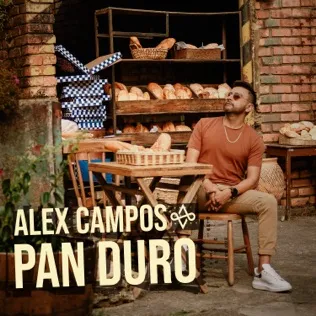
Alex Campos - Pan Duro Lyrics
Lyrics
El bolsillo del abuelo, un humilde zapatero Se quedaba con frecuencia corto para alimentar A los nietos que por cosas de la vida aquellos dÃas Encontramos en su casa un lugar para escampar
Y la doña que atendÃa allà en la panaderÃa Sospechaba los motivos por los cuales al comprar Yo pedÃa tan pocos panes que el regreso por mitades Para que nos alcanzara nos tocaba racionar
Y un buen dÃa me propuso Que por ese mismo precio más del doble me iba a dar
Si me llevaba el pan duro que sobró del dÃa anterior Y cómo serÃa la cosa que la idea me sonó Y nos pasamos la infancia inventando nuevos trucos Para sacarle al pan duro lo mejor de su sabor
Hasta hoy ese recuerdo me acompaña cuando huelo El pancito mañanero que remojo en el café Es por eso que mis manos se levantan hacÃa el cielo Y me brotan las canciones para agradecerle a él A ese Dios de lo imposible que por siempre ha sido fiel
Porque yo con mi pan duro que sobró del dÃa anterior Puedo decirte que él tiene para ti algo mejor Puede ser que hoy no lo veas, pero cree y llegará Ese dÃa en que también cuando mires hacia atrás
Alzarás a él tus ojos y tu voz se llenará De canciones de alabanza por su gran fidelidad Si hoy te comes un pan duro, su presencia allà está Si hay pan fresco en la mañana para ti
Alzarás a él tus ojos y tu voz se llenará De canciones de alabanza por su gran fidelidad Si hoy te comes un pan duro, su presencia allà está Si hay pan fresco en la mañana con amor ya preparado para ti
Para ti, para ti, para ti
Video
Alex Campos - Pan Duro (Video Oficial 2023)
Meaning & Inspiration
Alex Campos grounds this narrative in the gritty, tactile reality of scarcity. We often sanitize our theology, preferring to sing about mountaintops while ignoring the kitchen table where the hunger is real. But the "pan duro" (stale bread) mentioned here isn’t just a metaphor for hard times; it is a point of contention with the nature of providence.
When Campos sings, "Si hoy te comes un pan duro, su presencia allí está," he hits on a doctrine that most of us find difficult to swallow: the theology of the mundane affliction. We are prone to define God’s presence by the abundance of the "pan fresco"—the fresh, warm provision we pray for. We treat God like a vending machine of blessings, expecting Him to manifest only when the tray is full and the bread is soft. If the bread is hard, we assume the absence of the Divine.
Yet, the witness of Scripture suggests otherwise. Think of the Israelites in the wilderness. The manna was daily, not weekly; it was survival, not luxury. It required gathering, not lounging. Campos forces us to confront the fact that God’s presence is not a byproduct of our material comfort. If we only identify Him through the lens of excess, what happens to our faith when the pocket is empty?
The theological weight here rests on the shift from the "bread of yesterday" to the "God of the impossible." There is a temptation in modern worship to skip over the struggle, to jump straight to the testimony of victory. Campos keeps the bread on the table. He isn't suggesting that poverty is the goal, but that God’s sovereignty is not suspended by the hardness of the crust.
I find myself lingering on the phrase, "Ese Dios de lo imposible que por siempre ha sido fiel." We love to invoke the "impossible" when we mean the supernatural miracle—the healing, the breakthrough, the sudden windfall. But perhaps the true impossibility is the sustaining of a human soul through periods of rationing. It is easy to be faithful when the table is overflowing; it is a mystery of grace to find the presence of God in the stale crumbs of a hard day.
Does this song hold up under pressure? It avoids the dangerous error of equating wealth with divine favor. Instead, it anchors gratitude in the memory of lack. It suggests that our capacity to sing later is directly linked to the bitterness of the "pan duro" we ate earlier.
If we discard the theology of the hard crust, we lose the ability to see the "pan fresco" as a gift. We end up feeling entitled to the fresh bread, forgetting that even the hardest piece was, at some point, provided for our preservation. I am left wondering: if the hunger never ends, do we still have the songs? Campos argues we do. He posits that the presence of God is not a luxury item, but the very substance of our survival, whether the bread is soft or stale.